The Machinery Built for a Different Century
In the mid-1960s, when the planning framework behind today’s transmission grid planning bottleneck was taking shape, the typical large power plant took five to seven years from proposal to operation. Utilities could forecast demand with reasonable confidence a decade ahead, generation followed load, and load grew along well-understood trajectories tied to population and industrial expansion. The planning machinery was built for that world. It still runs on those assumptions.
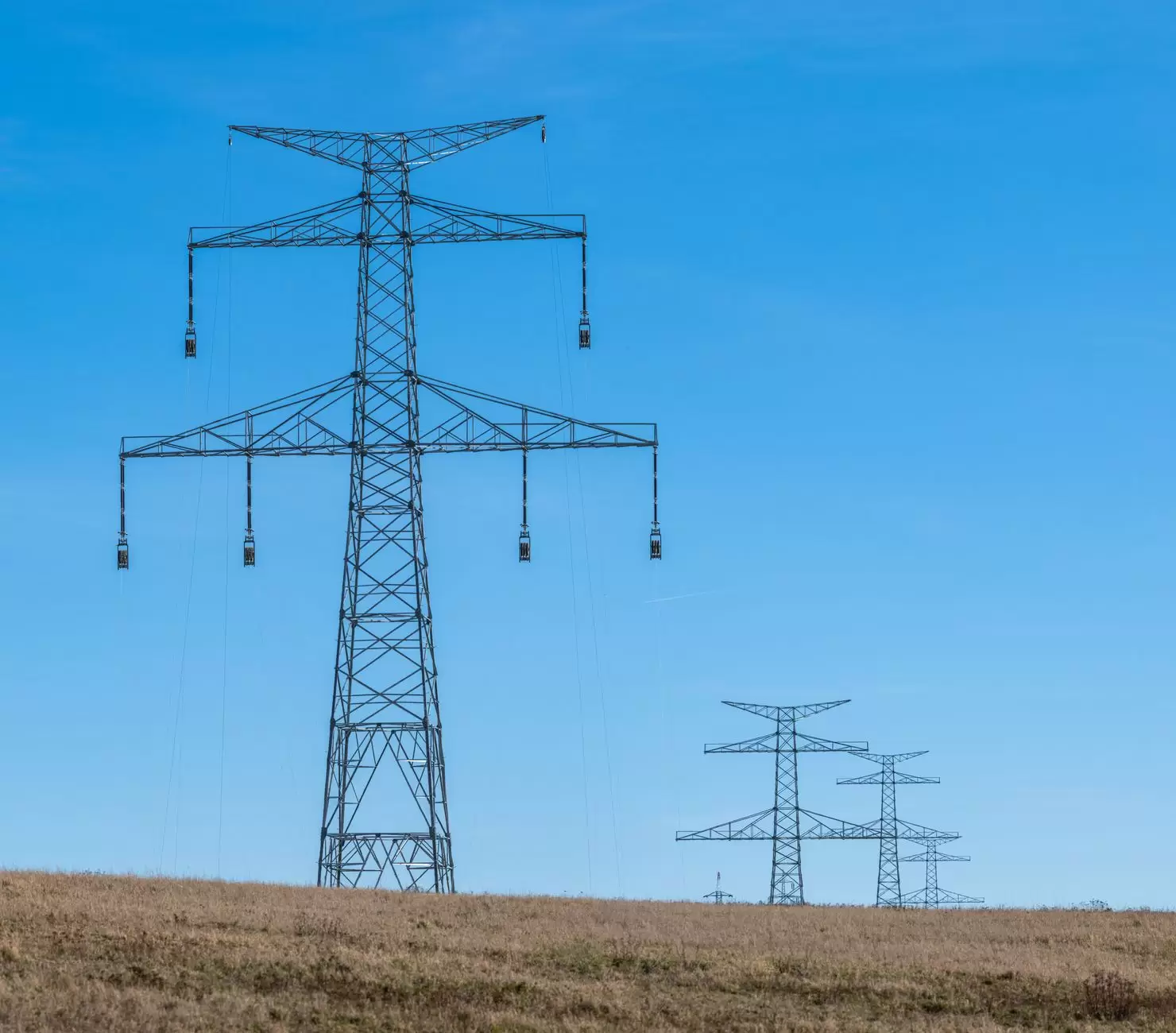
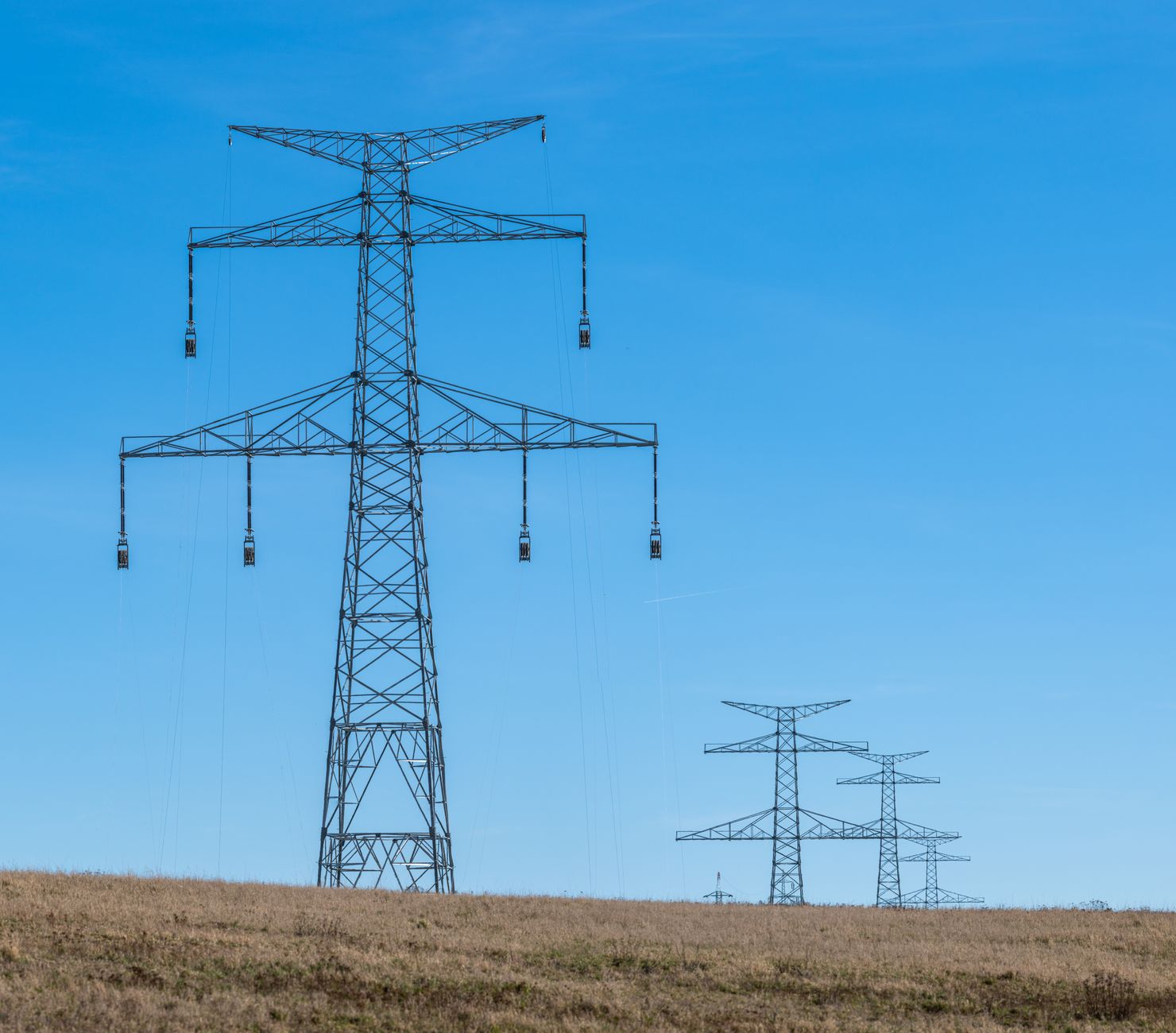
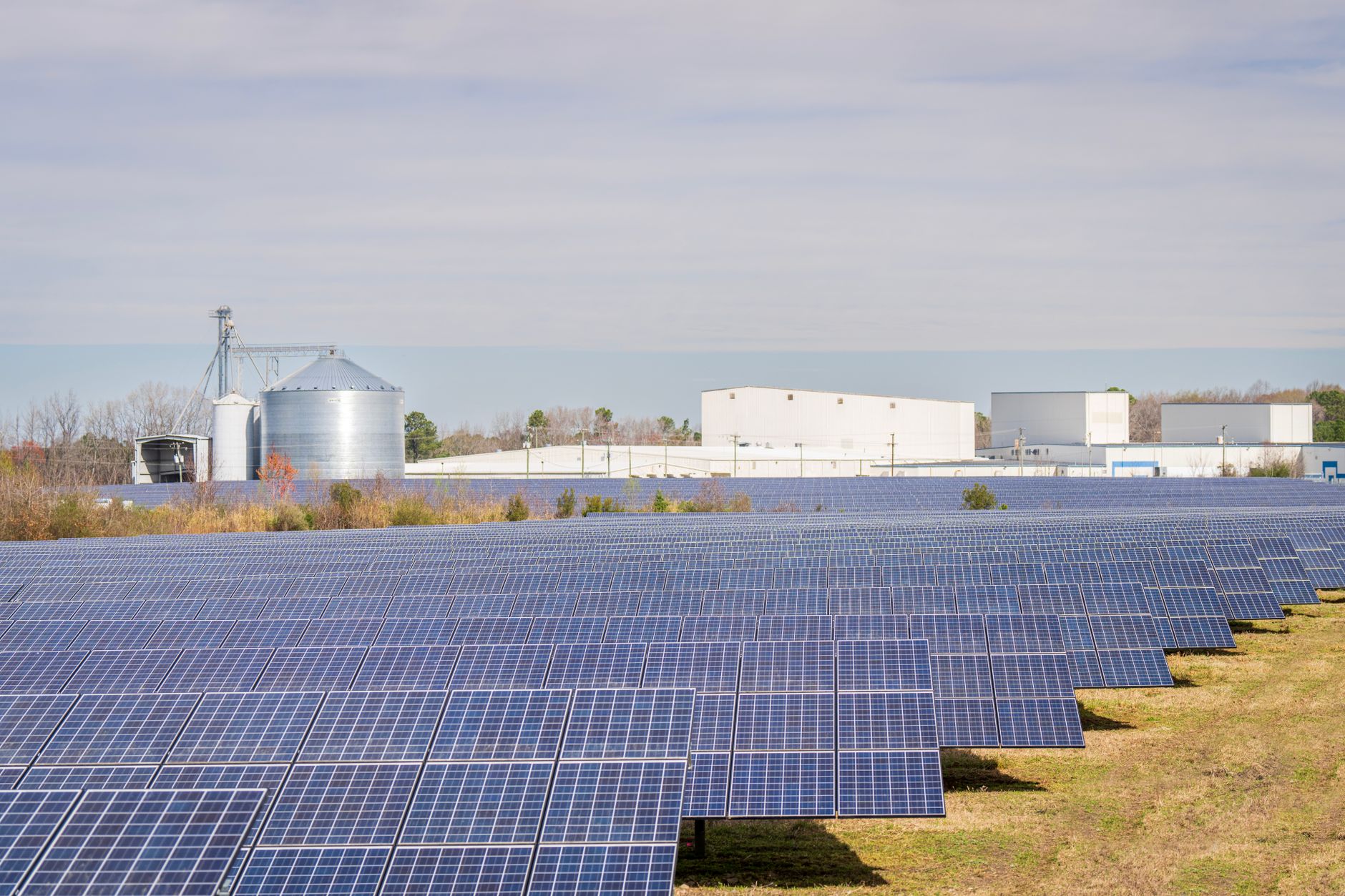
The disconnect is no longer subtle. A solar farm can move from lease signing to commercial operation in eighteen months. A wind project, even accounting for turbine lead times, can reach financial close and begin generating within two to three years. The transmission line needed to connect either one to the grid will often require seven to ten years of planning, permitting, routing negotiations, environmental review, and construction before it carries a single megawatt-hour — and that timeline assumes everything goes smoothly.
This asymmetry between generation speed and transmission deployment has become one of the defining constraints on the pace of decarbonisation in electricity systems worldwide. It operates quietly, outside the visibility of most energy policy discussions, but its effects accumulate in interconnection queues that now hold over 2,000 GW of proposed capacity in the United States alone, according to data tracked by the Lawrence Berkeley National Laboratory. The grid cannot reach many of those projects.
Why the Gap Keeps Widening
The explanation for the transmission bottleneck sits at the intersection of regulatory design, institutional inertia, and the physical realities of building linear infrastructure across landscapes that are increasingly contested. None of these factors is new individually. Their combined effect, however, has intensified as generation deployment accelerated far beyond what transmission planning processes were designed to accommodate.
Transmission planning in most jurisdictions remains a multi-year exercise built around scenario analysis. Planners develop load forecasts, model generation portfolios, identify reliability needs, and propose infrastructure investments — typically on five- to ten-year cycles. The process is deliberative by design: it must account for cost allocation across multiple beneficiaries, environmental impacts, land-use conflicts, and the legitimate interests of communities along proposed routes. Each of these considerations adds months or years to the timeline. Meanwhile, a developer applying for interconnection at a promising solar or wind site expects a queue position that may take three to four years just to reach the front of the line for a system impact study.
The geographic dimension compounds the temporal one. The best renewable resources are often located far from existing transmission corridors. In the United States, much of the highest-quality wind resource sits in the Great Plains, while load centres cluster along the coasts. In China, large-scale solar and wind development in the western provinces requires thousands of kilometres of long-distance transmission to reach eastern demand centres.
In the European Union, offshore wind in the North Sea will need coordinated cross-border grid investments that national planning processes were never designed to deliver efficiently. Each of these examples reflects a common structural reality: the transmission system was built around the geography of fossil fuel generation and is now being asked to serve a fundamentally different spatial pattern of electricity production.
The regulatory framework has not kept pace with this shift. Cost allocation remains one of the most persistent obstacles. A transmission line that connects a wind-rich region to a distant load centre may pass through multiple states or provinces, each with different regulatory regimes, different beneficiaries, and different views on who should pay. The resulting negotiations can stretch for years. In some cases, the line is ultimately approved but only after delays that add significantly to the total cost — costs that are then recovered from ratepayers who may have had no voice in the original decision.
The transmission bottleneck has emerged as a central challenge precisely because it operates across so many institutional boundaries simultaneously. Generation developers answer to project finance timelines measured in quarters. Transmission planners answer to regulatory cycles measured in years. Regulators answer to political constituencies operating on electoral timelines. None of these clocks align, and the gap between them continues to grow as generation technology accelerates.
The Consequences Are Already Visible
The most immediate consequence of transmission constraints is curtailment — renewable generation that is available but cannot be delivered to load. Curtailment rates in parts of China’s western provinces have occasionally exceeded 20% during periods of high renewable output and limited transmission capacity. In parts of Chile, where world-class solar resources in the Atacama Desert are connected to the main grid through constrained transmission corridors, curtailment has become a regular feature of system operations. Each curtailed megawatt-hour represents capital that has already been spent and generation that could have displaced fossil fuel output — but was instead simply wasted because the wires were not there to carry it.
Less visible but equally significant is the effect on investment decisions. Interconnection uncertainty changes the risk calculus for generation developers. A project that faces a five-year queue before it can connect to the grid carries substantially higher development risk than one that can secure firm interconnection within eighteen months. That risk gets priced into financing costs, and at some point, it pushes marginal projects below the threshold of bankability. The result is a pipeline of proposed generation that looks robust on paper but delivers far less actual construction than the queue numbers suggest.
The interconnection queue itself has become a source of distortion. In many markets, the queue is structured as a first-come, first-served process with modest entry requirements. Developers submit speculative interconnection requests for multiple sites, intending to pursue only the most promising ones after receiving study results. This behaviour is entirely rational from an individual developer’s perspective, but it clogs the queue for everyone, slowing down the study process and making it harder for serious projects to reach commercial operation. Reforms are underway in several jurisdictions — the United States, through FERC Order 2023, has introduced cluster study approaches and financial readiness requirements — but the backlog accumulated over years will take time to clear.
The transmission deficit also shapes the economics of existing generation. When new renewable capacity cannot reach load centres, older fossil fuel plants that would otherwise be uneconomic may continue to run because they are already connected. The plant itself may be a 60-year-old coal unit with high operating costs, but the transmission infrastructure serving it was built decades ago and is fully depreciated. From a system perspective, keeping it running for a few more years may cost less than building new transmission to replace it with cleaner generation — even if the environmental case for replacement is compelling.
What Is Being Done — And What Remains Stubbornly Difficult
The response to the transmission bottleneck has taken different forms in different markets, reflecting their distinct institutional structures. In the European Union, the Trans-European Networks for Energy (TEN-E) framework has identified priority corridors and introduced streamlined permitting for Projects of Common Interest, though implementation has varied significantly across member states.
The United Kingdom has moved toward an anticipatory investment model for offshore wind, building transmission capacity ahead of generation rather than waiting for individual projects to trigger connection studies. In parts of Australia, the regulatory framework now allows for what is essentially speculative transmission investment — building capacity to regions with high renewable resource potential before generation developers have committed, on the expectation that they will follow once the infrastructure is in place.
Each of these approaches addresses a different piece of the problem. The EU model tackles permitting delays. The UK model tackles the phasing mismatch between generation and transmission timelines. The Australian model tackles the chicken-and-egg problem of who builds first. None of them fully resolves the underlying tension between the speed at which generation can be deployed and the deliberation that transmission planning requires.
Advanced transmission technologies offer partial relief but not a complete solution. High-voltage direct current (HVDC) can move power over longer distances with lower losses than alternating current, making distant renewable resources more economically viable. Dynamic line rating systems can increase the capacity of existing transmission corridors by adjusting ratings based on real-time weather conditions rather than conservative static assumptions. Grid-enhancing technologies, including power flow control devices and topology optimisation software, can extract additional throughput from the existing network. Each of these tools helps at the margin, extending the capability of infrastructure that is already in place or under construction. They do not eliminate the need to build new lines where none exist.
The institutional challenge is harder to solve than the technical one. Transmission planning reform requires aligning incentives across utilities, regulators, generation developers, landowners, and the communities that host infrastructure. Each group has legitimate interests and well-established mechanisms for protecting them. Changing the process means changing who has a voice, how costs are distributed, and how risks are allocated. Those questions are procedural and political before they are technical, and they are resolved through negotiation rather than engineering analysis.
What makes the transmission bottleneck particularly difficult to address is that no single actor can resolve it. Generation developers lack authority over transmission, utilities cannot reform the permitting process on their own, and regulators have no power to allocate costs across jurisdictions that do not answer to them. Progress requires coordination across institutions that were not designed for coordination at the speed and scale now required. Some jurisdictions are learning to do this faster than others, and the differences in their transmission deployment rates are already shaping where renewable investment concentrates.
The countries and regions that close the transmission gap most effectively will not necessarily be those with the best renewable resources or the most ambitious decarbonisation targets. Success will depend on how quickly planning institutions can adjust to conditions they were never set up to handle, where generation is being developed faster than the transmission infrastructure needed to connect it. Jurisdictions that adapt those processes faster will see more projects reach completion; those that do not will see investment go elsewhere.
References
- Lawrence Berkeley National Laboratory — Queued Up: Characteristics of Power Plants Seeking Transmission Interconnection (annual series tracking US interconnection queue data)
- IEA — Electricity Grids and Secure Energy Transitions (2023 report on global transmission investment requirements and planning challenges)
- FERC Order No. 2023 — Improvements to Generator Interconnection Procedures and Agreements (US regulatory reform introducing cluster studies and readiness requirements)
- ENTSO-E — Ten-Year Network Development Plan (European transmission planning framework and cross-border infrastructure priorities)