A utility executive can usually quote the exact tonnes of CO₂ released by their largest generating station. Ask the same person to walk through scope 1 vs scope 2 emissions on the same corporate sustainability report, and the answer is often less immediate.
The scope framework created by the GHG Protocol looks on the surface like simple bookkeeping. In practice, the boundaries decide which emissions sit behind a carbon price, which ones can be addressed through procurement decisions, and which ones remain outside any direct regulatory instrument. For power-sector decision-makers, the scope taxonomy is less an accounting exercise than the map on which decarbonization strategies are drawn.
Scope 1 covers direct emissions from sources a company owns or controls. Scope 2 covers indirect emissions from purchased electricity, heat and steam. Scope 3 covers all other indirect emissions across the value chain. In the power sector, those three categories correspond to distinct instruments: allowance obligations under emissions trading, renewable energy procurement, and disclosure-driven supply-chain management. Understanding how these interact with carbon markets and offsets is central to positioning a utility for emerging regulatory and investor pressure.
Where the Three-Scope Framework Comes From
The scope concept emerged from a joint initiative by the World Resources Institute and the World Business Council for Sustainable Development in the late 1990s. The original problem was double counting: the same tonne of CO₂ could appear in several corporate reports—released by a coal generator, counted indirectly by an industrial customer buying its electricity, and counted again by a retailer selling the finished product.
If every company measured every indirect emission, the sum of corporate inventories would inflate the global total. The three-scope structure was designed to assign each tonne to a specific point in the value chain so that inventories sum cleanly across companies. The trade-off was completeness. A company can report a pristine inventory covering only Scope 1 and 2 while ignoring the largest emissions embedded in its supply chain or customer base.
That origin matters for the power sector because electricity sits at the centre of the chain. A generator that reports its combustion emissions as Scope 1 simultaneously creates Scope 2 emissions for thousands of downstream customers. How the boundary is drawn determines not only what the utility reports, but what its customers inherit.
Scope 1: Direct Emissions Under the Generator’s Control
For a conventional power station, Scope 1 is dominated by combustion: coal, gas, oil, biomass or biogas burned to produce electricity. The accounting also includes fugitive emissions that can be material for grid operators. Methane escaping from gas pipelines, compressor stations and storage facilities falls under Scope 1. So does sulphur hexafluoride, or SF₆, leaking from high-voltage switchgear. SF₆ has a global warming potential roughly 23,000 times that of CO₂, a detail many readers encounter for the first time when reviewing a transmission utility’s inventory and discovering that a handful of substations explains the bulk of reported Scope 1.
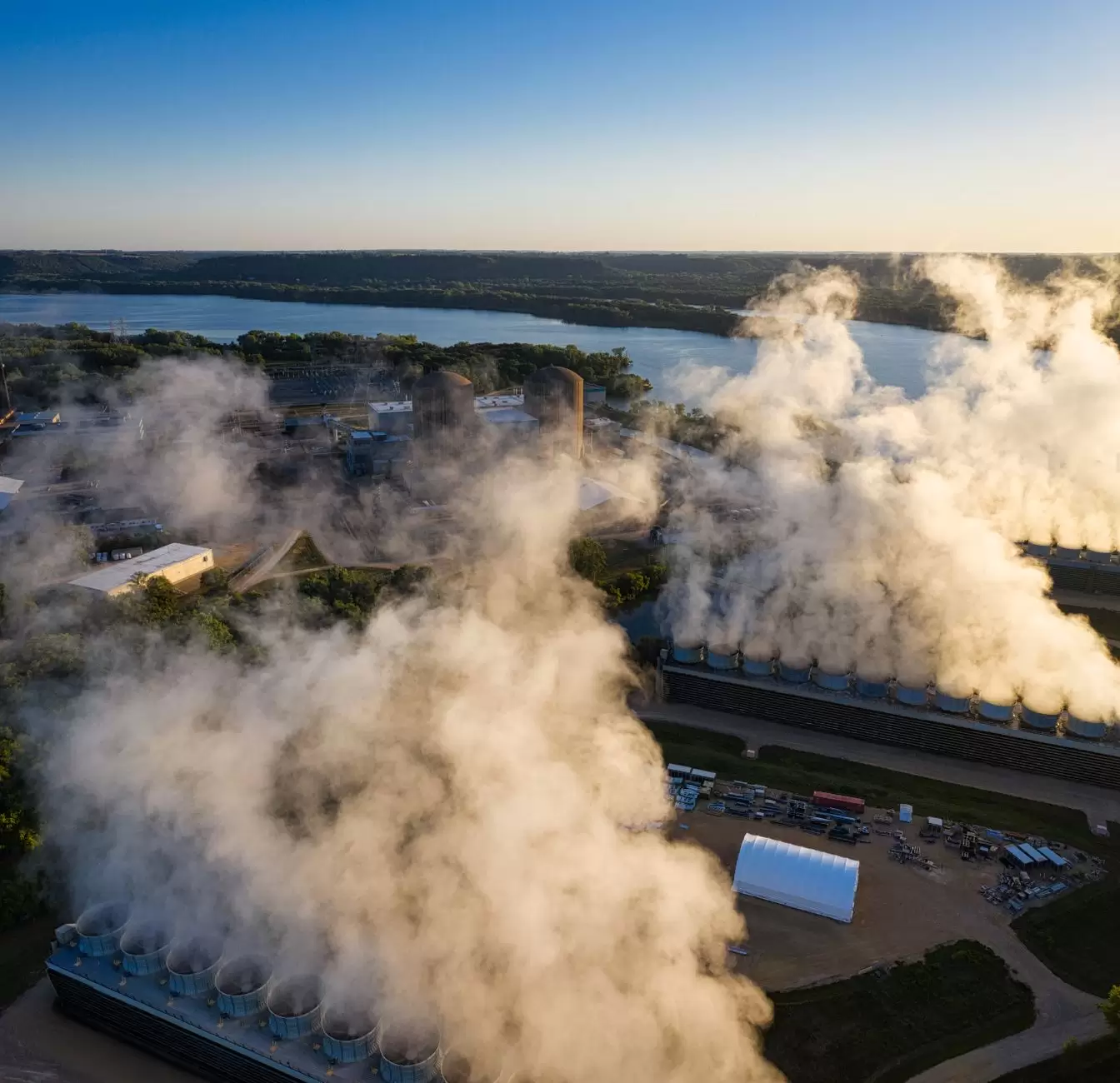
Direct emissions occupy a unique regulatory position. Emissions trading systems — the EU ETS, China’s national market, the Regional Greenhouse Gas Initiative in the United States and others — price the CO₂ released at the point of combustion. In other words, a generator’s compliance obligation is built almost entirely around Scope 1. A coal plant operator surrenders allowances for the tonnes measured at the stack. The utility does not surrender allowances for the emissions its customers later produce by using the electricity.
This has strategic implications. Installing carbon capture equipment reduces Scope 1. Switching fuel from coal to gas reduces Scope 1. Buying renewable energy certificates does not. Nor does retiring offsets. Offsets compensate for emissions elsewhere; they do not reduce the physical tonnes measured by a monitoring system at a plant boundary. Executives who confuse those instruments can produce impressive sustainability narratives without shifting the number an allowance auditor actually verifies.
Scope 2: Purchased Electricity and the Two-Number Problem
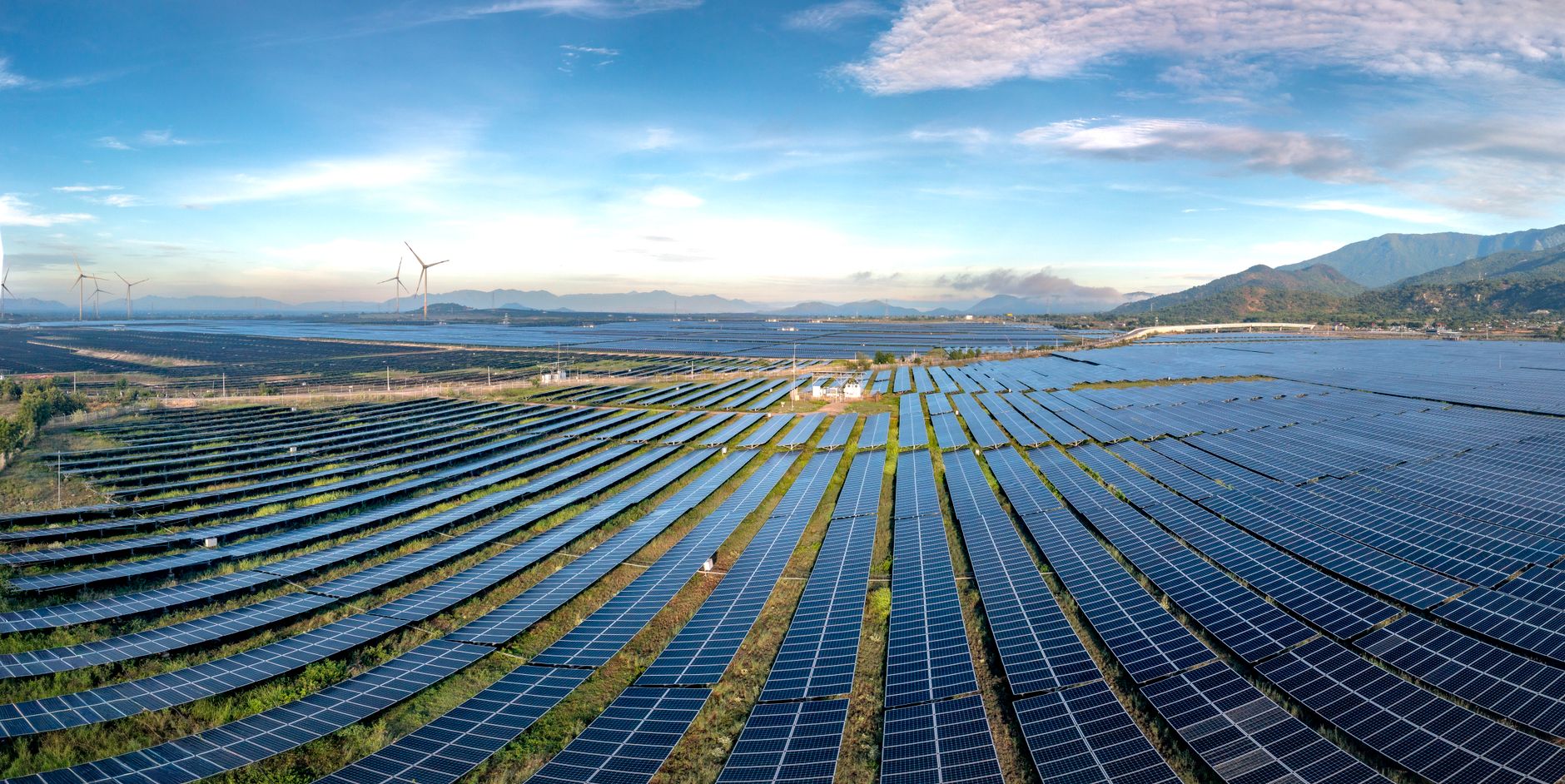
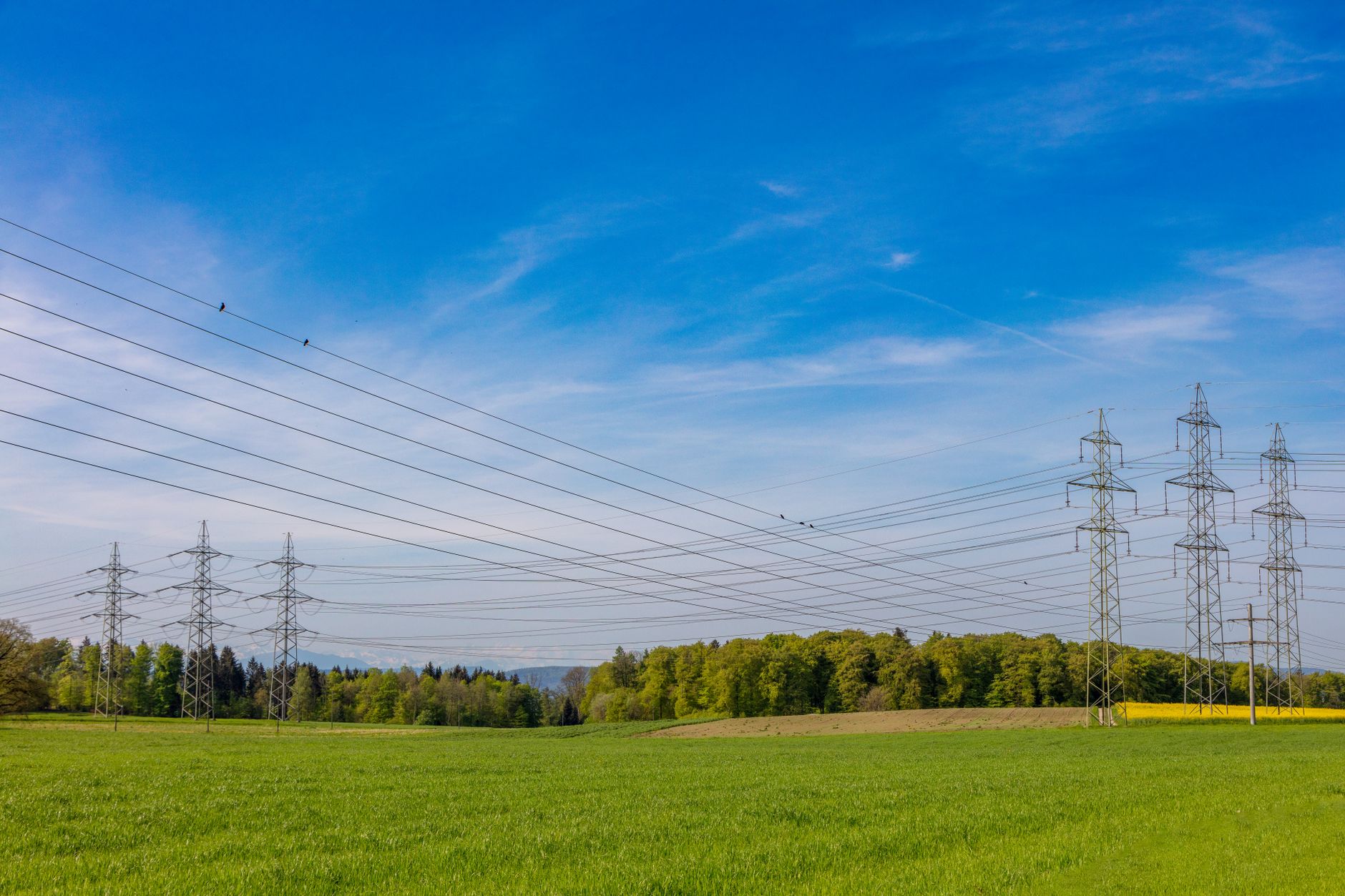
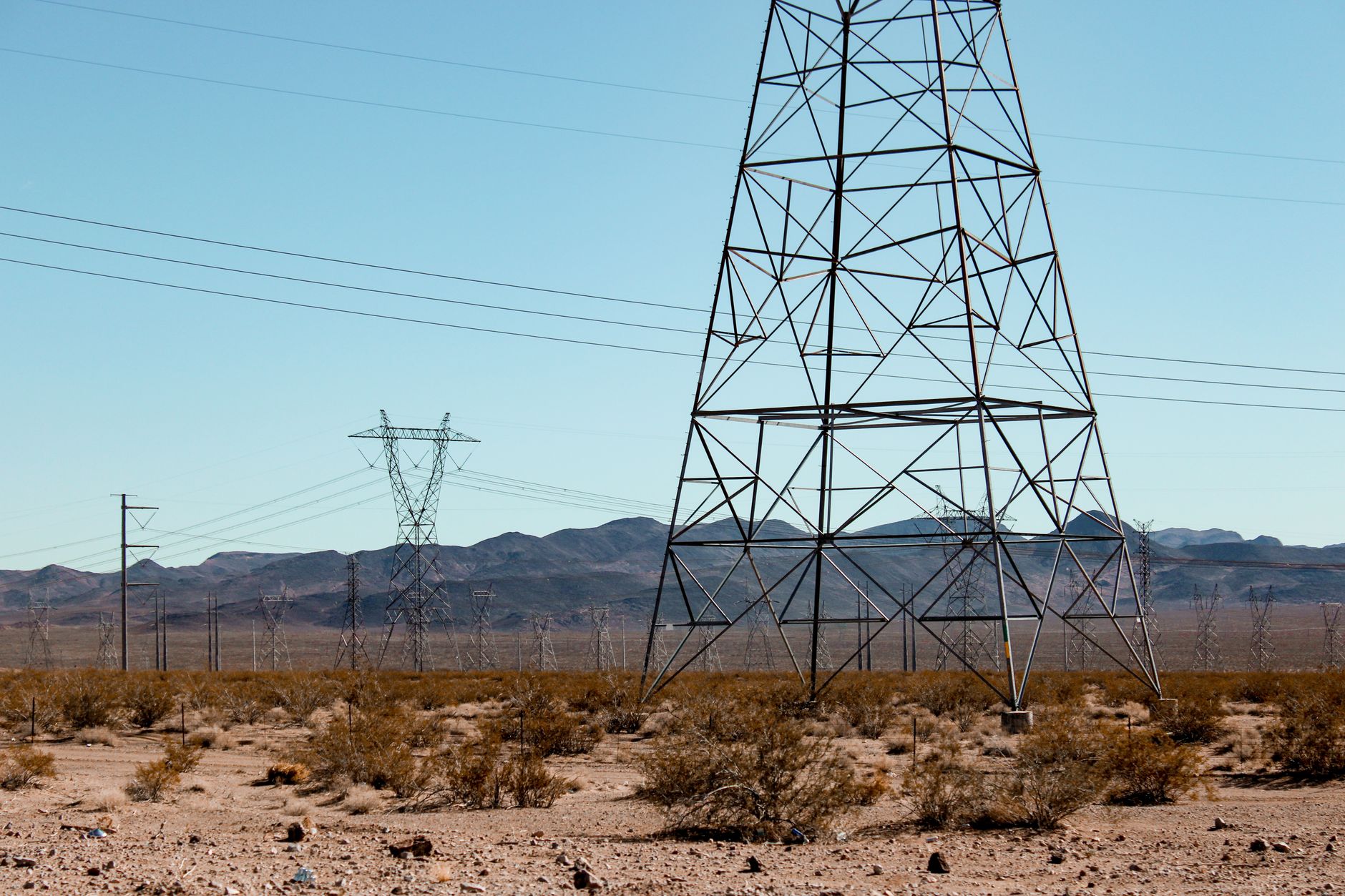
Scope 2 captures emissions from electricity, heat or steam that a company purchases and consumes. For power-sector participants, the category applies less to generation than to operations. A distribution network operator running control centres, office estates, pumping stations and data infrastructure purchases electricity and reports it as Scope 2. The same applies to grid losses — the electricity dissipated as heat in transformers and conductors. In systems where technical losses run high, those losses can become the largest component of a grid operator’s Scope 2 footprint.
What makes Scope 2 different from the other categories is that the GHG Protocol allows it to be reported two ways at once. Location-based accounting applies the average grid emission factor for the region where the electricity is consumed. Market-based accounting uses emissions attributes from specific supply contracts, renewable energy certificates or guarantees of origin. The same facility can report two materially different Scope 2 totals, and both are compliant.
The dual method exists because renewable certificate markets emerged before accurate fuel-mix data was uniformly available. A company wanting to claim zero-emissions supply needed a contractual mechanism to attribute renewable generation to its accounts. Physical electrons flow from the regional mix, but attributes can be traded separately. Environmental accounting therefore needed both a baseline that reflects physical reality and an attribution layer that reflects purchase decisions.
The consequence is that certificate purchases change only the corporate attribution, leaving the physical emissions of the regional grid untouched. Location-based Scope 2 continues to move with the broader fuel mix regardless of how many certificates the utility buys. Decision-makers need to understand both numbers if they are to explain progress honestly — and to anticipate the moment a regulator, auditor or counterparty chooses to weight one method over the other.
Scope 3: The Value Chain Emissions Utilities Cannot Fully Control
Scope 3 covers everything beyond direct operations and purchased energy. For the power sector, the most consequential categories are concentrated but varied:
- Upstream fuel supply: methane released during coal mining, gas production and fuel transport before the fuel ever reaches a power station.
- Capital goods and equipment: emissions embedded in turbines, transformers, conductors and batteries.
- Downstream use of sold products: for a gas utility, combustion of delivered gas in customer boilers and appliances; for electricity sellers, the indirect footprint of electricity use in downstream activities.
- Transmission and distribution losses occurring before the reporting boundary, where the company does not own the relevant assets.
The precise categorization can feel circular, because a generator’s stack emissions already appear under Scope 1. The point of Scope 3 is to reveal what the direct boundary hides. A utility reporting only Scope 1 and 2 may appear lean while its fuel supply chain carries material methane exposure and its capital programme embeds substantial manufacturing emissions.
Scope 3 has moved from academic category to disclosure requirement. The EU’s Corporate Sustainability Reporting Directive and the ISSB standards both push for value-chain disclosure. Financial institutions increasingly screen lending and insurance portfolios across all three scopes. A gas utility that sets no Scope 3 target faces pressure not because its power plants leak, but because its customers’ boilers do.
Carbon offset markets have gravitated towards Scope 3 because most offset buyers cannot reduce third-party emissions directly. This creates a subtle risk. A gas buyer may retire offsets against customer combustion while the gas producer simultaneously reports the same physical emissions under its own inventory. Without careful boundary documentation, Scope 3 discussions can become an arena for double claiming under the guise of climate action.
Why the Boundaries Drive Carbon-Market Strategy
The three scopes map onto different instruments, and the mapping is not interchangeable. Scope 1 emissions come with a compliance obligation where an emissions trading system applies. The utility must surrender allowances at a price set by the market. Scope 2 is a procurement decision: renewable power purchase agreements, certificates or on-site generation. Scope 3 is harder to price, because the emitter sits outside the company’s legal boundary. Offsets are commonly discussed there, not because they reduce the activity, but because they are one of the few instruments available when the source of emissions lies in someone else’s factory or furnace.
The practical effect is that a utility’s carbon-market strategy often splits into three parallel tracks: reducing direct emissions where allowances make them expensive, reshaping procurement to lower market-based Scope 2, and pressing suppliers and customers on Scope 3 where disclosure rather than regulation is the main lever.
The order is not arbitrary. An emissions trading scheme penalises Scope 1 today. Procurement choices lower Scope 2 on a timescale measured by contract length. Scope 3 improvement depends on data quality, supplier relationships and sometimes contracts the utility cannot enforce. The taxonomy does not rank emissions by importance, but it does rank them by instrument. Confusing that ranking leads to strategies that reduce the wrong number or claim credit the physical inventory never earned.
As disclosure frameworks harden and carbon-pricing systems expand, energy-sector decision-makers face a convergence. Scope boundaries are becoming the architecture around which capital allocation, compliance and reputation are built. The distinction is no longer confined to sustainability teams; it now shapes credit ratings, procurement requirements, and the cost of capital.
References
- GHG Protocol Corporate Accounting and Reporting Standard, WRI/WBCSD — definitions of Scope 1, 2 and 3, and the origin of the framework.
- GHG Protocol Scope 2 Guidance (2015) — location-based and market-based dual reporting methods.
- IPCC Fifth Assessment Report — global warming potential value for sulphur hexafluoride used in the switchgear discussion.
- IEA — general context on electricity sector emissions coverage under emissions trading systems.