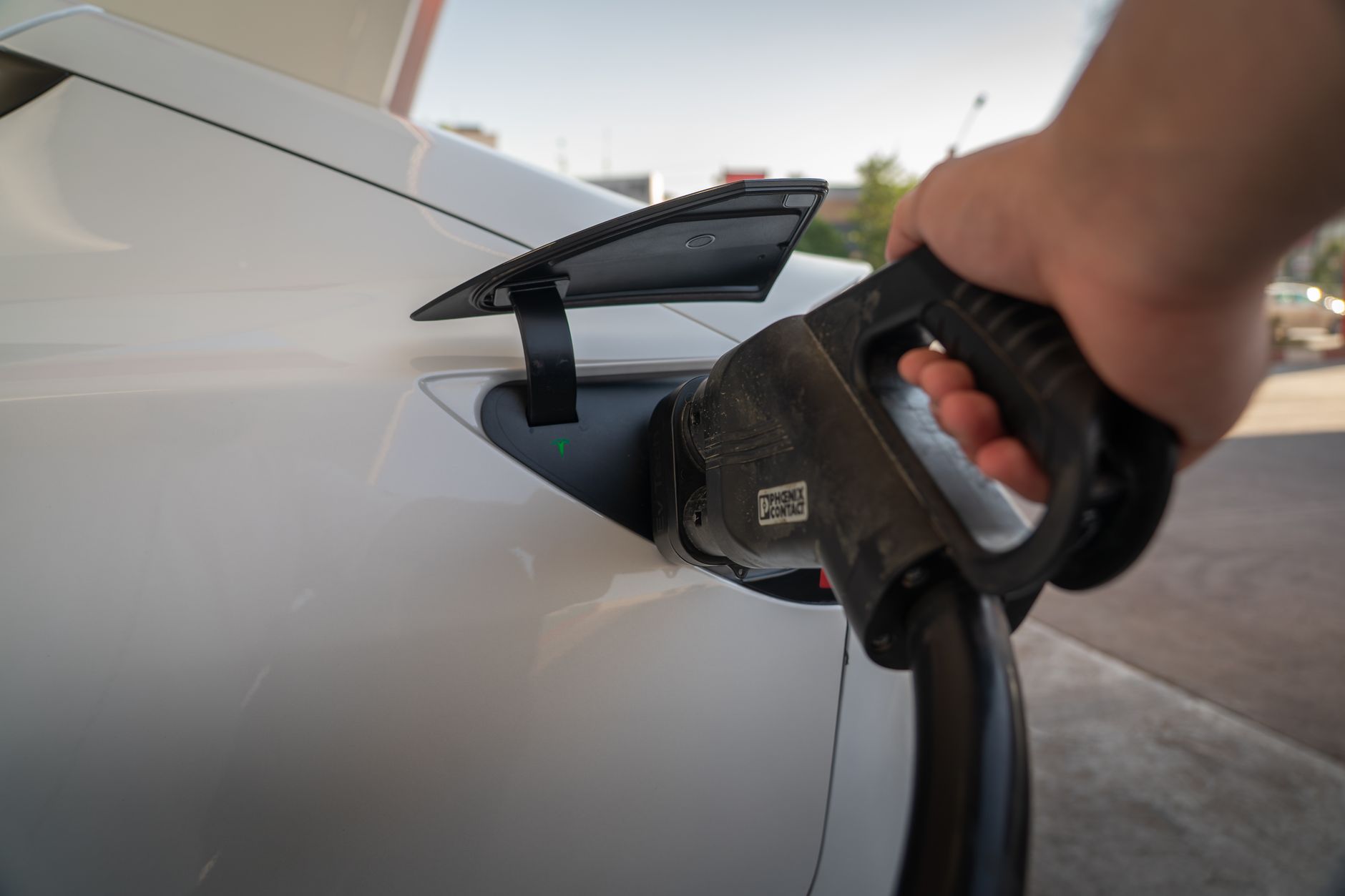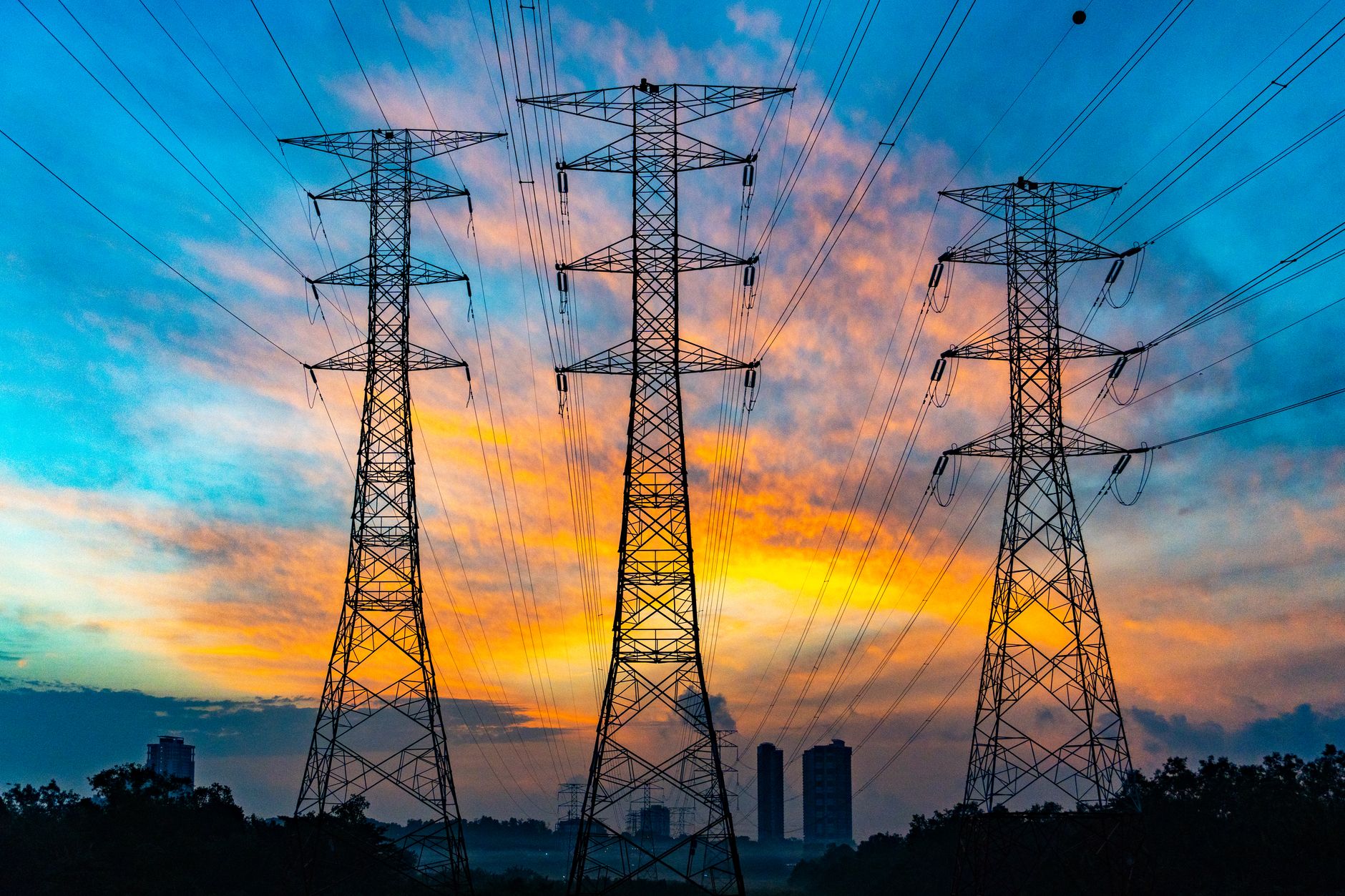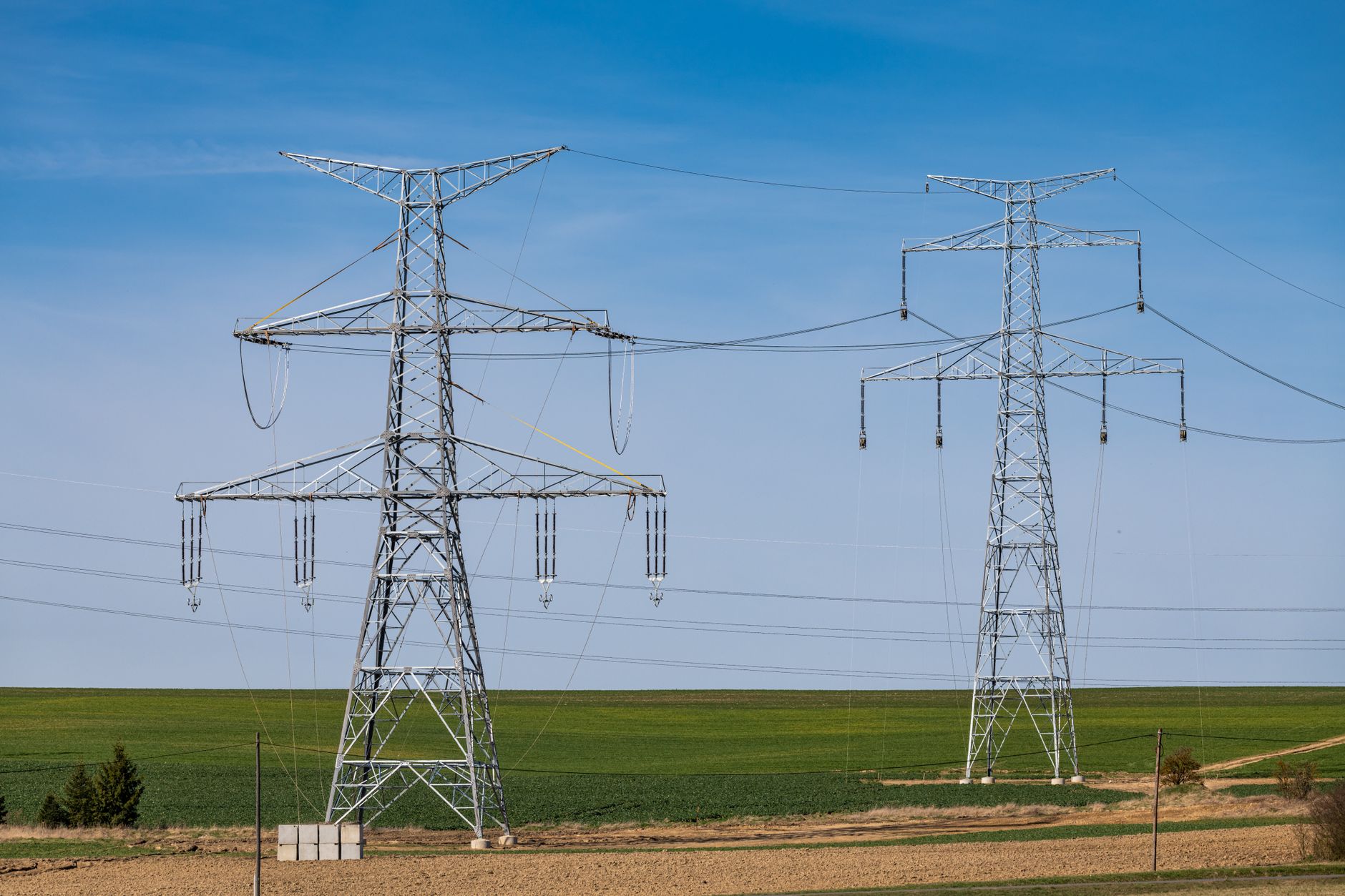
On a suburban street, ten electric vehicles may add only a modest amount to annual electricity consumption. The same ten vehicles, all beginning to charge within the same hour after the evening commute, can push the local distribution transformer toward its thermal limit. EV charging impact on the grid is therefore a local, hourly problem rather than a national, annual one. For a utility planning engineer, the first number is nearly irrelevant. Coincidence of charging is the main reason the second one matters more — though whether equipment actually fails on a summer evening also depends on the transformer’s rating and condition, the ambient temperature, the load already on the feeder, and voltage constraints further downstream.
Annual energy figures dominate public discussion of electricity demand from transport electrification. National and regional studies report additional terawatt-hours as a percentage of total consumption. For distribution planning, those aggregate numbers obscure more than they reveal, because they do not show where the load appears or how much power is drawn at a particular moment.
Why Annual Energy Understates Local Risk
EV charging adds energy to a household, but the amount is often spread over many hours. An electric car driven average distances may add something comparable to a few large appliances over the course of a year. At the national or regional level, this increase can look small when expressed as a percentage of total electricity consumption. The problem is that this view hides where and when that energy is drawn.
Electricity infrastructure is planned around power, not annual energy. A distribution transformer has no annual energy limit; it has a thermal limit that applies at specific moments. A transformer supplying a street does not fail because too many kilowatt-hours passed through it over a year. It overheats when the kilowatt draw at one moment exceeds its capability at the surrounding temperature. EV charging therefore stresses distribution infrastructure through power, not through total energy consumed over a year.
For EV charging, local coincidence rather than annual energy is a major factor in whether existing distribution infrastructure is adequate. A high level of charging concentrated in the same hours and the same location can stress a transformer even when annual energy use remains modest. Adequacy also depends on asset ratings, condition, ambient temperature, voltage constraints, and the existing load on the circuit. No single metric captures whether a street needs reinforcement.
Where EV Charging Load Concentrates
EV adoption is not spread evenly across a service territory. It clusters in particular neighbourhoods, in buildings with off-street parking, in fleet depots, and along major highways. This clustering matters because distribution networks are built around highly local loading assumptions. Two identical streets can have very different grid impacts depending on how many residents own EVs, when they return home, and whether their chargers are configured to start immediately.
A single Level 2 home charger commonly draws between 7 and 11 kW, roughly comparable to an electric oven and clothes dryer operating together. One or two such chargers on a shared transformer may pass unnoticed. Ten chargers on the same transformer, all starting when residents arrive home in the evening, can push the unit toward its thermal limit even though each vehicle’s annual energy use is modest. The issue is simultaneous power, not cumulative energy.
DC fast charging presents a different concentration. Fast chargers can draw from 50 kW to several hundred kW, typically on commercial corridors or highway service areas. These installations may require dedicated service upgrades, but they are visible and planned for. Home charging is often less visible to the utility until transformer-level issues appear. This is a key difference between headline discussions of fast-charging power demand and the distribution-level reality of thousands of smaller chargers operating at once.
The Transformer and Feeder as Binding Constraints
Distribution transformers and secondary feeders are planned around expected local peak demand, with allowances for diversity among loads. Traditional residential loads show meaningful diversity: not every oven, air conditioner, or water heater runs at the same time. EV charging can show higher coincidence, especially when a group of commuters plugs in within the same hour and charging begins automatically. When many vehicles on the same transformer start at the same time, the diversity benefit shrinks.
Transformer loading is not a single static number. A unit’s ability to carry load depends on ambient temperature, its age and condition, its historical loading, and the network configuration around it. Hot summer evenings can reduce thermal headroom even if the transformer was adequate in cooler months. Voltage constraints can become binding before thermal limits do, particularly at the end of long secondary runs. This is why a load that looks manageable on a system-level model can require attention at the local level.
Feeders also matter. A feeder may have enough aggregate capacity but still experience voltage or thermal problems at a particular point because a cluster of EV chargers is connected near the end of the circuit. Distributed resources and smart inverters can help manage voltage, but they do not remove the physical limit of conductor and transformer ratings. Targeted reinforcement remains a common outcome when local distribution load growth is concentrated.
What Managed Charging Can and Cannot Do
Managed charging refers to shifting or modulating EV charging to reduce its impact on the grid. This can include time-of-use rates that encourage overnight charging, direct load control by utilities, or smart charging that responds to grid conditions. At the system level, managed charging can move demand away from evening peaks and help absorb renewable generation overnight or in the middle of the day. Its value is largest when vehicle charging is flexible.
What managed charging cannot do is entirely remove local transformer constraints. If ten vehicles on the same transformer all need to be charged by early morning, delaying their start times may create a new overnight peak rather than eliminate the stress. It can reduce the magnitude of the evening peak, but if the transformer is already near its thermal or voltage limit, shifting a portion of the load may not be enough. The local concentration remains, even if the timing improves.
Managed charging also depends on customer participation. A time-of-use rate only works if drivers respond to it; a direct load control program only works if enough customers enrol and if their vehicles are plugged in when the utility wants to defer charging. For some drivers, charging is inflexible because of shift work, long commutes, or limited access to off-street parking. This variability explains why managed charging is best understood as a tool that reduces some reinforcement needs, not a universal substitute for them.
What Distribution Utilities Are Preparing For
Distribution utilities are increasingly treating EV charging as a spatial load problem rather than a uniform load-growth percentage. This means incorporating local EV adoption projections into feeder and transformer planning, and in some jurisdictions, requiring developers to report expected charging loads as part of new construction or major electrical upgrades. The level of sophistication varies widely between utilities and regulatory frameworks.
Some utilities are using charger telematics and AMI data to identify where clusters of EV charging are emerging before customer complaints expose them. Others are piloting managed charging programs or tariff designs that encourage off-peak charging. The effectiveness of these programs depends on local conditions: whether off-street parking is common, how long vehicles remain plugged in, and how much spare capacity exists in the underlying distribution assets.
Where managed charging cannot avoid reinforcement, the alternatives are conventional but often expensive: replacing overloaded transformers, reconductoring secondary lines, adding new feeders, or reconfiguring the network. In many cases, utilities prefer to defer these costs through charging flexibility if they can, because reinforcement is capital-intensive and may take years to plan and approve. The balance between flexibility and investment varies from one feeder to the next.
Long-term outlooks such as the IEA World Energy Outlook 2025 treat transport electrification as a central driver of new electricity demand, but even those projections cannot resolve street-level patterns. NERC’s Long-Term Reliability Assessment notes that distribution transformers and feeders are often among the first assets to encounter stress when electrification concentrates in a local area. EV charging concentrates in ways that annual energy forecasts do not capture. The challenge sits less in total energy than in local coincidence.
The resulting local constraints can be managed through a combination of flexibility, targeted reinforcement, and better visibility into where the load is appearing. That distinction separates the grid impacts visible in national statistics from the ones that show up first at the street and transformer level.
References
- IEA — Electricity 2025: electricity demand trends and the role of EV charging in load growth
- IEA — World Energy Outlook 2025: long-term electricity demand projections including transport electrification
- NERC — Long-Term Reliability Assessment: distribution-level transformer and feeder constraints in electrification scenarios