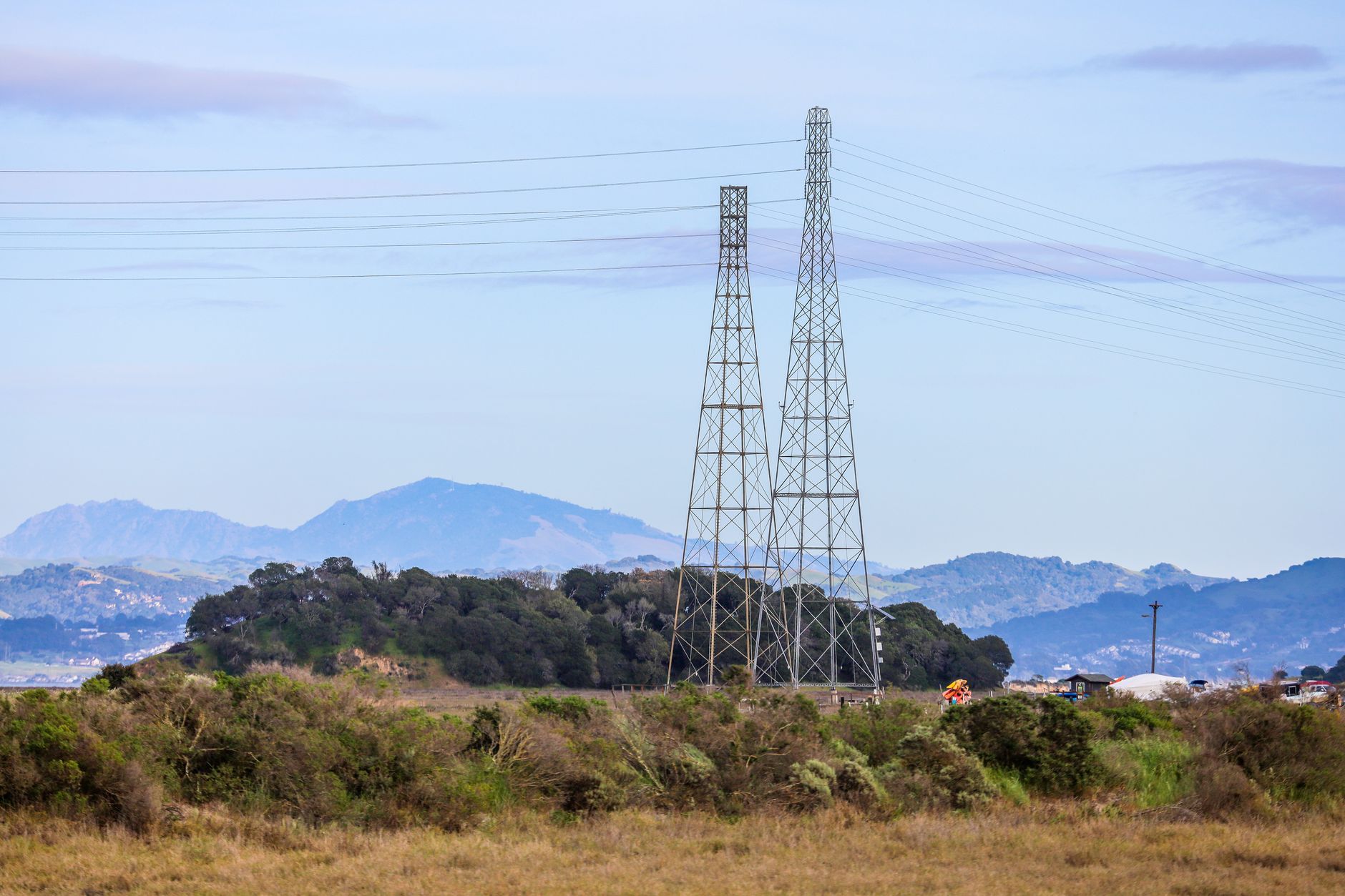
On a windy winter night, a transmission line sized for a hot summer afternoon often runs well below its rating — and that unused headroom is what grid enhancing technologies are designed to exploit. The static rating that governs normal operations assumes worst-case weather: high ambient temperature, full sun, and little wind. The conductor rarely operates under exactly those conditions. Much of the industry still plans around the summer-afternoon figure all year, leaving a gap between the capacity a line is assumed to carry and the capacity it can actually deliver.
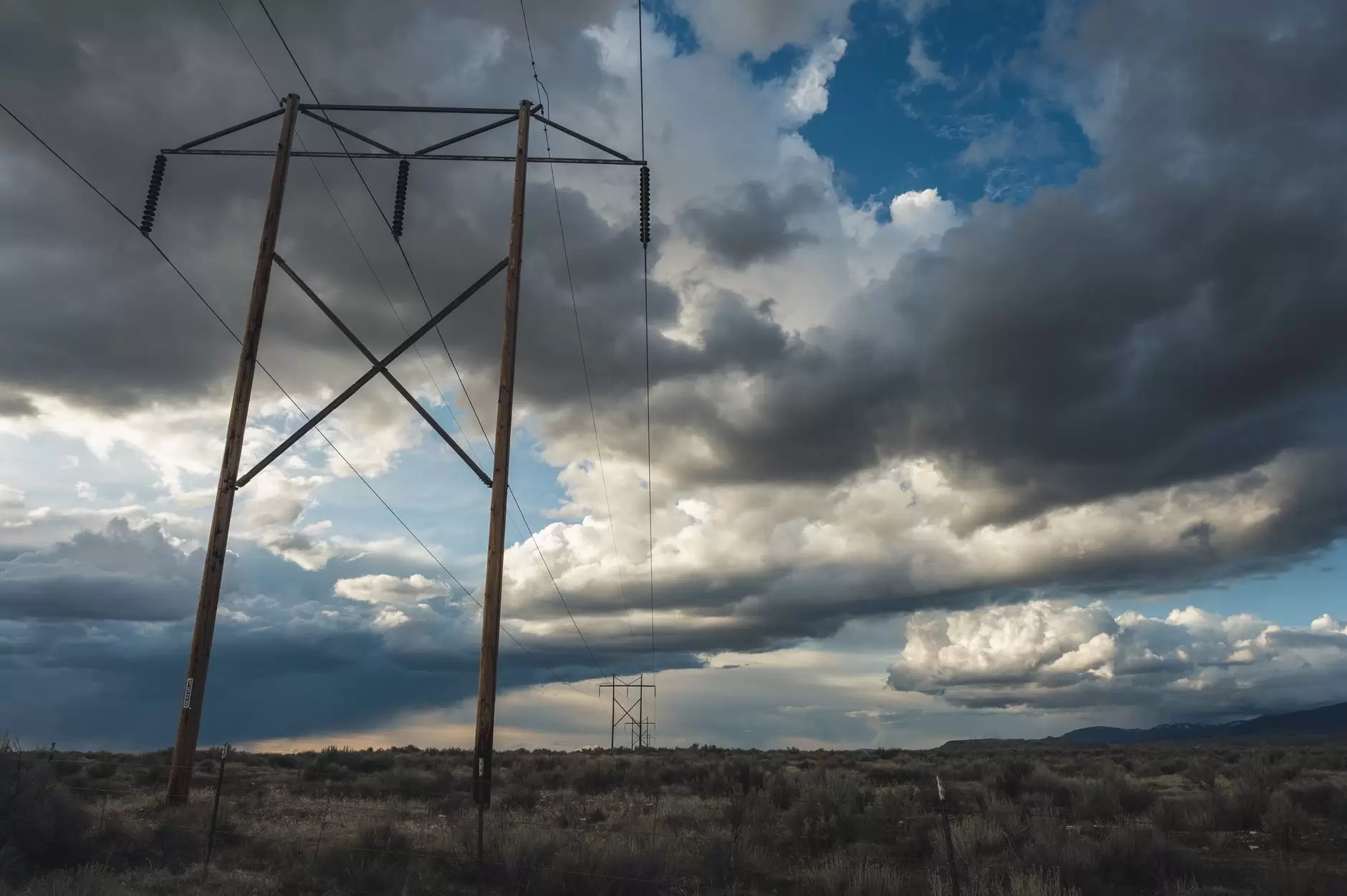
That gap is what these tools are designed to close without adding conductor, towers, or rights-of-way. They combine sensors, software, and sometimes power electronics to release more capacity from lines already in service. For a sector already facing transmission-led constraints and multi-year interconnection backlogs, that difference has moved from a technical curiosity to an operational priority.
Why Fixed Ratings Leave Capacity Behind
Three families of tools dominate the discussion. Dynamic line rating uses real-time weather or conductor data to update thermal limits. Topology optimization changes switching configurations to redirect flow away from congested lines. Power flow control uses power electronics or phase-shifting transformers to push current onto underused paths. All three share a common goal: extracting more from existing assets without the years-long lead time of new construction.
The common origin lies in a mismatch between the pace of generation buildout and the pace of transmission expansion. A utility-scale solar project can in many jurisdictions move from permit to operation within two years. New transmission, by contrast, often takes a decade or more through permitting, land acquisition, and construction. That timing gap explains why operators look for ways to defer, rather than eliminate, new infrastructure.
IEA analysis in Electricity Grids and Secure Energy Transitions projects that annual grid investment needs to roughly double to more than $600 billion by 2030 to keep pace with electrification and renewable deployment. Even if that capital were available today, planning and permitting timelines would still delay physical construction. Grid enhancing technologies therefore function as interim measures rather than substitutes for additional infrastructure. They allow existing lines to carry more power during the years when needed upgrades remain stuck in planning or construction.
Dynamic Line Rating: Letting Weather Set the Limit
Most static ratings are built on a small set of conservative assumptions: high ambient temperature, low wind speed, and maximum solar radiation. The conductor is assumed to heat up under full sun and still air. In reality, the wind that often accompanies high renewable output also cools the conductor. Even moderate wind speeds can raise the safe current limit enough to release meaningful headroom. A line that is constrained on a hot summer afternoon may have considerable spare capacity on a windy winter evening.
Dynamic line rating replaces those fixed assumptions with real-time measurements. Some systems use weather stations along the corridor. Others attach sensors directly to the conductor to measure tension, temperature, and sag. The result is a rating that changes with actual conditions rather than seasonal averages. That is particularly relevant in wind-heavy systems, where the same weather that produces high wind generation also increases transmission capacity.
Federal Energy Regulatory Commission Order No. 881, issued in 2021, requires FERC-jurisdictional transmission owners in the United States to implement ambient-adjusted ratings by July 2025. This is a more limited approach than conductor-based dynamic ratings, but it marks a shift in default. The technology has been available for decades; the barrier was largely institutional. In many jurisdictions, transmission owners had little financial incentive to operate lines closer to their true thermal limits because conservative ratings simplified planning and reduced operational risk.
Dynamic line rating does not increase capacity uniformly. The gains depend on geography, weather patterns, and line design. In cooler or windier regions, available headroom may be considerable for many hours of the year. In hot, low-wind climates, the benefit may be smaller. A higher thermal rating does not by itself translate into usable transfer capability: a line that can carry more thermal current may still be constrained by voltage limits, stability margins, or protection settings, which respond to system conditions rather than to conductor temperature.
Topology Optimization: Redistributing Flow Without New Conductors
Transmission networks are often operated in fixed configurations chosen years earlier. That approach simplifies planning and protection, but it can leave some lines heavily loaded while parallel paths remain underused. Topology optimization asks whether a different substation switching arrangement could relieve a bottleneck on another line. Instead of increasing the thermal limit of a single line, it shifts flow so fewer elements approach their limits at the same time.
Unlike dynamic line rating, topology optimization does not change the capacity of any conductor. It uses software to identify opportunities to open or close circuit breakers and switches in the high-voltage network. The effect can be reduced congestion, lower redispatch costs, and fewer renewable curtailments. The concept has been studied extensively and piloted by several grid operators.
The main constraint is operational complexity. Switching a transmission line out of service, even for a few hours, creates new constraints elsewhere. Operators must weigh the benefit of reduced congestion against the risk of unexpected outages. Protection settings may need to be adjusted, and market models may not immediately recognize the new configuration. That imposes a need for careful integration into existing control-room procedures.
Power Flow Control: Steering Current onto Underused Paths
In an alternating-current network, power divides across available parallel paths according to their impedances and prevailing electrical conditions. The lowest-impedance path typically carries the largest share, but it is not always the one with available capacity. A power flow controller changes the effective impedance or phase angle of a line, redirecting some flow to less loaded corridors. In contrast to new HVDC links, which create additional capacity through separate converter stations, power flow controllers act on existing AC circuits.
These devices range from phase-shifting transformers and series reactors to more sophisticated flexible AC transmission systems. They can provide continuous adjustments in response to changing conditions. The trade-off is that they require substation space, high-voltage insulation, and advanced control systems. They also introduce additional losses. For meshed networks with uneven loading, however, they can help avoid the need to build a new line solely to correct a localized flow imbalance.
Why Grid Enhancing Technologies Deployment Lags
The technical maturity of these tools is only part of the story. Institutional barriers have often mattered more. In many cost-of-service jurisdictions, transmission owners earn returns on capital investment, and a new line increases the rate base. A sensor network or software platform may not be treated the same way. Financial incentives do not always align with extracting more from existing assets.
Regulatory treatment remains uneven. Some regulators have begun to allow transmission owners to share in the savings from deferred upgrades, but such mechanisms are not universal. Market operators also need to update their models so that dynamic ratings appear in day-ahead and real-time markets. A rating that changes every hour introduces complexity into pricing, reliability analysis, and outage coordination. Without system-wide visibility, increased line ratings in one part of the network may simply shift congestion elsewhere.
The deeper issue is the asymmetry of risk. A conservative static rating is predictable. A dynamic rating that increases capacity on a windy day carries a small probability that weather forecasts are wrong. If a conductor sags too close to vegetation, the result can be a fault and, under some conditions, a wider outage. Transmission owners are understandably cautious about tools that reduce safety margins, even if the expected economic benefit is large.
What This Means for Grid Planning and Operation
Grid enhancing technologies reduce the cost of waiting for new transmission rather than replacing the need for it. The IEA analysis that calls for accelerated grid investment also emphasizes the need to make better use of existing assets. Dynamic line rating, topology optimization, and power flow control are complementary measures that can be deployed while new lines move through permitting and construction. That helps explain why interest in these tools has grown alongside long grid planning timelines.
Adoption varies by region. In the United States, Federal Energy Regulatory Commission Order No. 881 amends the pro forma open access transmission tariff to require ambient-adjusted ratings for line ratings calculated over short-term windows, which obliges transmission providers under its jurisdiction to build the capability rather than treat it as an optional enhancement. In Europe, several transmission system operators have piloted dynamic line rating in response to increased wind penetration and cross-border congestion. In other regions, these tools remain under consideration while grid expansion continues to dominate planning.
The common thread is that existing transmission infrastructure still has headroom that fixed ratings and static operating configurations leave unused. Extracting that headroom requires more than sensors and software. It requires updated regulatory incentives, market models that recognize variable capacity, and an operating philosophy that treats line capacity as a quantity to be measured rather than a constant to be assumed.
References
- International Energy Agency — Electricity Grids and Secure Energy Transitions (2023) — investment requirement and role of existing grid infrastructure.
- Federal Energy Regulatory Commission — Order No. 881, Managing Transmission Line Ratings — ambient-adjusted ratings requirement in the United States.
- CIGRE Technical Brochure 601 — Guide for Thermal Rating Calculations of Overhead Lines — technical background on static and dynamic thermal rating methods.