The Hours That Decide Adequacy
Resource adequacy is not measured by the average hour or by the share of energy delivered. It is measured in the periods when available supply, after accounting for the required reliability margin, is no longer sufficient to meet demand. Those periods are rare, brief and decisive, and they are the hours peaker plants are built for. They do not form a fixed percentage of annual demand; their frequency and shape depend on weather, plant availability and system composition. The units called in those hours are the ones designed to start quickly and run for the duration of the event.
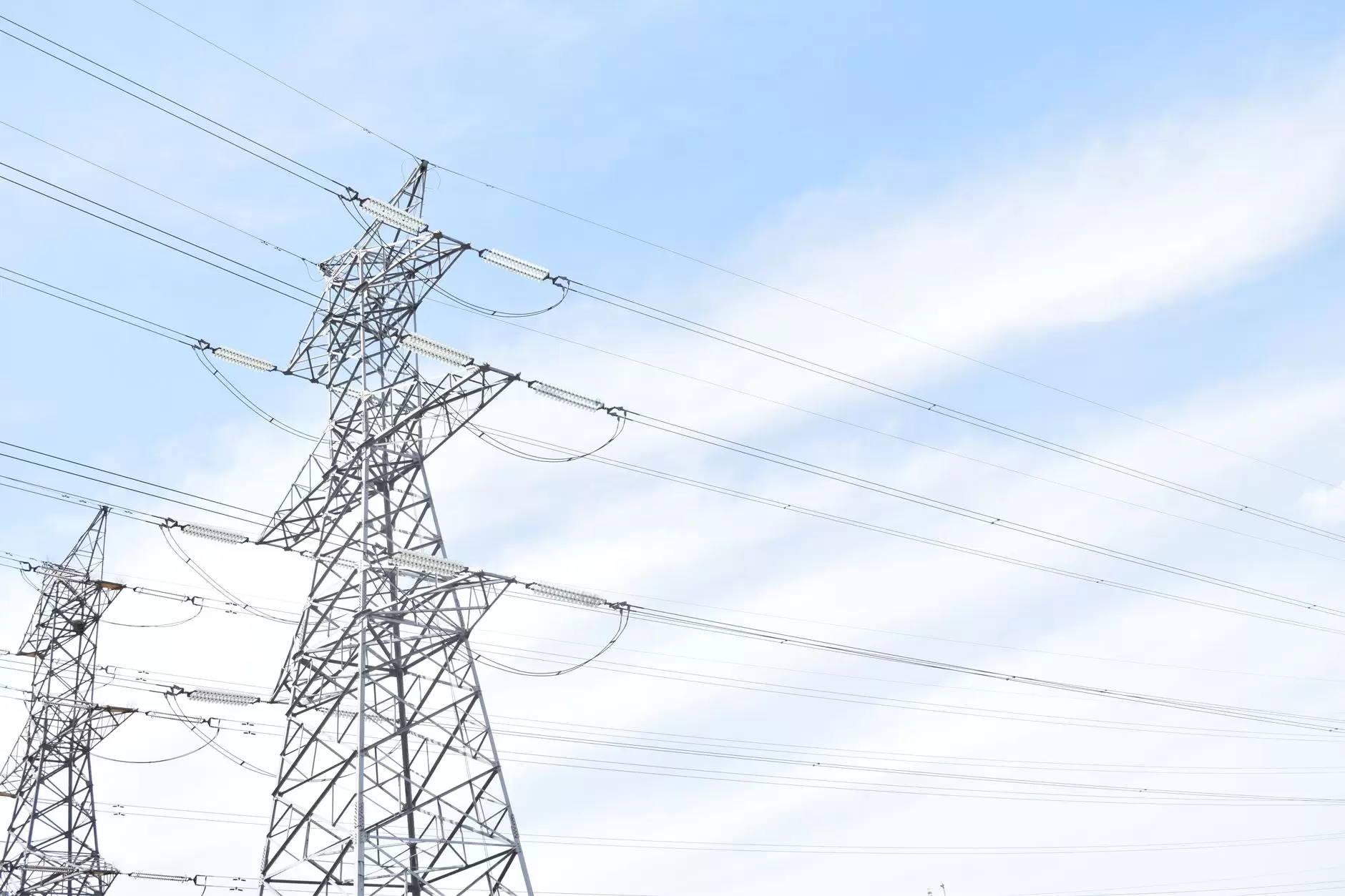
That residual role has historically fallen to peaker plants, fast-start thermal generators, most often natural gas turbines, built to operate only when the system is under maximum stress. Batteries now compete for the shortest and most frequent of those periods. A grid that once relied on gas turbines to serve a late-afternoon ramp can now dispatch stored solar power within milliseconds. But the same battery that captures a four-hour evening peak is less useful during a five-day period of low wind and heavy cloud. That distinction between hours and days is the central economic fault line for peaker plants in a battery-rich grid.
Understanding where peakers still fit requires separating two questions. The first is what batteries can do cheaper. The second is what the grid must keep available for the rare periods when storage cannot recharge. The answer describes how reliability needs shape market value rather than predicts the end of gas. The broader debate over natural gas in the energy transition runs through that same tension.
Why Battery Duration Draws the Boundary
Batteries compete with peakers on response speed and short-duration dispatch. A grid-scale battery can move from idle to full output far faster than a gas turbine, and its variable operating costs are generally lower for short bursts. However, those costs are not limited to the cost of returned electricity. Every cycle imposes degradation, consumes round-trip efficiency losses, and adds variable operations and maintenance. Over time, cells need augmentation or replacement, which matters when comparing batteries with low-utilisation peakers that may run only a handful of hours each year.
The main constraint is duration. Newly deployed utility-scale battery systems in the United States commonly provide two to four hours of storage, according to recent EIA data on battery capacity and duration. That figure is not a permanent engineering limit; it reflects current cell economics and project revenue, and it shifts as costs change. Longer-duration configurations of six or eight hours remain less common because each additional hour adds cost without a proportional increase in value captured in most daily price spreads. A gas peaker, by contrast, can keep running as long as fuel is available if it is designed and fuelled for extended operation.
The distinction becomes clearer when the two classes of resource are compared against the two different reliability problems. A short-duration peak is where batteries compete directly with peakers. An extended adequacy event lasting several days is where batteries compete with the broader dispatchable fleet: combined-cycle gas, hydro, coal, imports, demand response, long-duration storage and, in some systems, nuclear. Peakers are one option for such events, not the automatic cover. The unit that runs through a multi-day cold spell may be a combined-cycle plant, a hydro facility or an interconnection importing from a neighbouring market, depending on the system.
That distinction matters because energy markets tend to reward the hours when supply is just sufficient to meet demand, while resource adequacy is judged on the hours when supply falls below demand plus reserve margin. Those periods are rare, brief and decisive, and peakers live in the gap between the two questions. As batteries take over the daily peak, the remaining case for a peaker rests on a narrower set of conditions.
Where Peakers Still Earn Their Keep
The remaining economic niche for peakers can be grouped into conditions that expose limitations of current battery storage: duration, correlation of demand and weather, and local market structure. Each condition shifts the balance between a battery’s cycling capability and a thermal unit’s ability to keep producing when recharging is unavailable.
Extended Low-Renewable Periods
Some weather systems suppress wind and solar across a broad region for several days. In these periods, daily battery cycling may not bridge the gap because the battery discharges once and then needs surplus power to recharge — surplus that may not exist when the system itself is short. Peakers provide firm capacity in such conditions, but they are not alone: combined-cycle plants, hydro, imports and demand response also contribute. The value of a gas turbine is not that it is cheap, but that it can run whenever fuel supply remains available.
Seasonal Peaks
Electricity demand in many regions peaks during winter heating or summer cooling. The adequacy problem is not the season itself but the correlated, multi-day demand events it can produce. A cold snap can push demand up for several consecutive days, while low wind and reduced solar output coincide. A heatwave can produce a similar run of high cooling load. Four-hour batteries cannot ride through these stretches without recharging. Dispatchable thermal capacity, along with hydro, imports or long-duration storage where available, covers the gap. The peaker is one part of that dispatchable response, not the automatic answer to a cold snap.
Markets with Shallow Storage Penetration
Battery deployment is uneven. Some regions have added storage rapidly; others remain at an early stage because of permitting, grid connection, or limited market exposure. In those systems, peakers still provide the balancing function that batteries are not yet available to perform. The local mix matters more than global trends. A gas turbine in a market with little installed storage may be economically useful well beyond the narrow firming role it would play elsewhere. In several Asian markets, coal phase-out timelines are advancing while battery and gas infrastructure develops alongside, leaving peakers a bridge role for years.
The Commercial Logic of Rare Operation
Peaker plants occupy a strange position in market economics. Many run for only a handful of hours per year, and some for far fewer. Their value is not primarily measured by the energy they produce. Where a capacity market exists, it pays a unit for being available rather than for the volume of electricity it generates, but the design of those mechanisms varies between markets, and capacity payments sit alongside energy revenue rather than replacing it.
A peaker’s income may therefore combine capacity payments, reserve products, and occasional shortage-price energy. In energy-only markets, infrequent high prices contribute materially to fixed-cost recovery, and the energy sold forms part of the same revenue stack. Either way, the plant’s economic case rests less on how much it generates than on its ability to be available when the system is short.
This is the unexpected detail behind much of the policy friction. The plant’s real product is optionality: the guarantee that a unit can start on demand. Operators maintain turbines, manage fuel contracts, and keep staff available for a start signal that may come only a few times per year. The cost of maintaining that optionality can be substantial, which is why capacity mechanisms or high scarcity prices are often required to keep those plants open. Without such incentives, a private owner may choose retirement even when reliability planners would prefer the unit to remain.
Capacity markets and energy-only markets handle this differently. In capacity markets, peakers receive a steady payment based on their contribution to resource adequacy. In energy-only markets, they depend on infrequent but high price spikes to recover fixed costs. Both approaches have weaknesses, and the treatment of peakers is a recurring issue in market design debates. The commercial pressures shaping the wider gas fleet are examined further in the analysis on natural gas in the energy transition.
What Happens Next
The central design question is how much peaker capability current market structures are willing to compensate as storage costs decline. Long-duration storage technologies — flow batteries, compressed air, hydrogen-fired turbines — are being developed to fill the multi-day gap. Each comes with its own cost, siting, and technical constraints. The realistic near-term position is that these technologies are improving, but no single emerging technology has yet displaced the broader role of dispatchable thermal capacity across multi-day and seasonal adequacy requirements at system scale.
Regulatory decisions also matter. Some jurisdictions are imposing restrictions on new gas plants or exploring requirements for hydrogen-ready turbines. Others are extending the lives of existing gas units through reliability must-run contracts or capacity market changes. As coal retires in several regions, planners are holding onto gas units as a bridge while longer-duration alternatives mature.
The eventual position of peakers is unlikely to be uniform. In systems with abundant wind, solar, and long-duration storage, the gas fleet has scope to shrink to a small strategic reserve. In systems still reliant on coal and with limited storage, peakers may remain a primary source of flexibility. The outcome is determined less by technology preference than by local resource mix, market structure, and the regulatory willingness to compensate reliability. That is why the economics of the final hours remain contested even where the technology debate appears settled.
References
- EIA — Electric Power Monthly and EIA-860 data on US utility-scale battery storage capacity and duration.
- NREL — Storage Futures Study: cost and duration assumptions for utility-scale storage.
- NERC — Long-Term Reliability Assessment: resource adequacy during extended low renewable output and the continued need for dispatchable generation.
- IEA — Electricity 2025: analysis of battery storage growth, gas-fired flexibility, and market trends for peaking capacity.
- IEA — World Energy Outlook 2025: assumptions on storage duration and the role of thermal plants in high-renewable scenarios.
- BloombergNEF — Energy Storage Outlook: cost trajectories for battery storage and comparisons with gas peaker economics.