A Century-Old Storage Asset Hidden in Plain Sight
When grid planners discuss energy storage, lithium-ion batteries and pumped hydro usually dominate the conversation. Few start by acknowledging that the largest and oldest source of hydropower grid flexibility has been operating for decades under a different name: conventional reservoir hydropower.
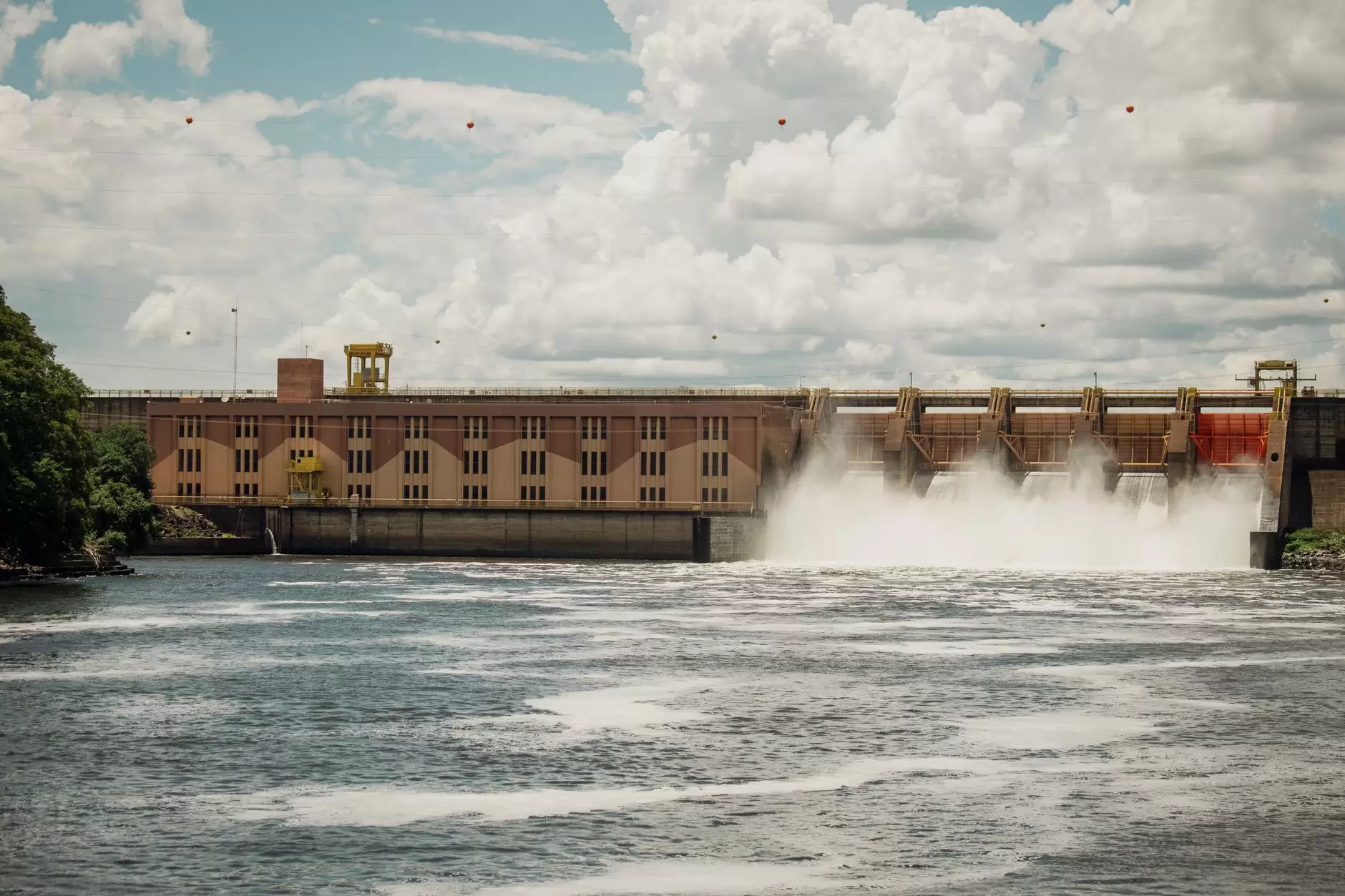
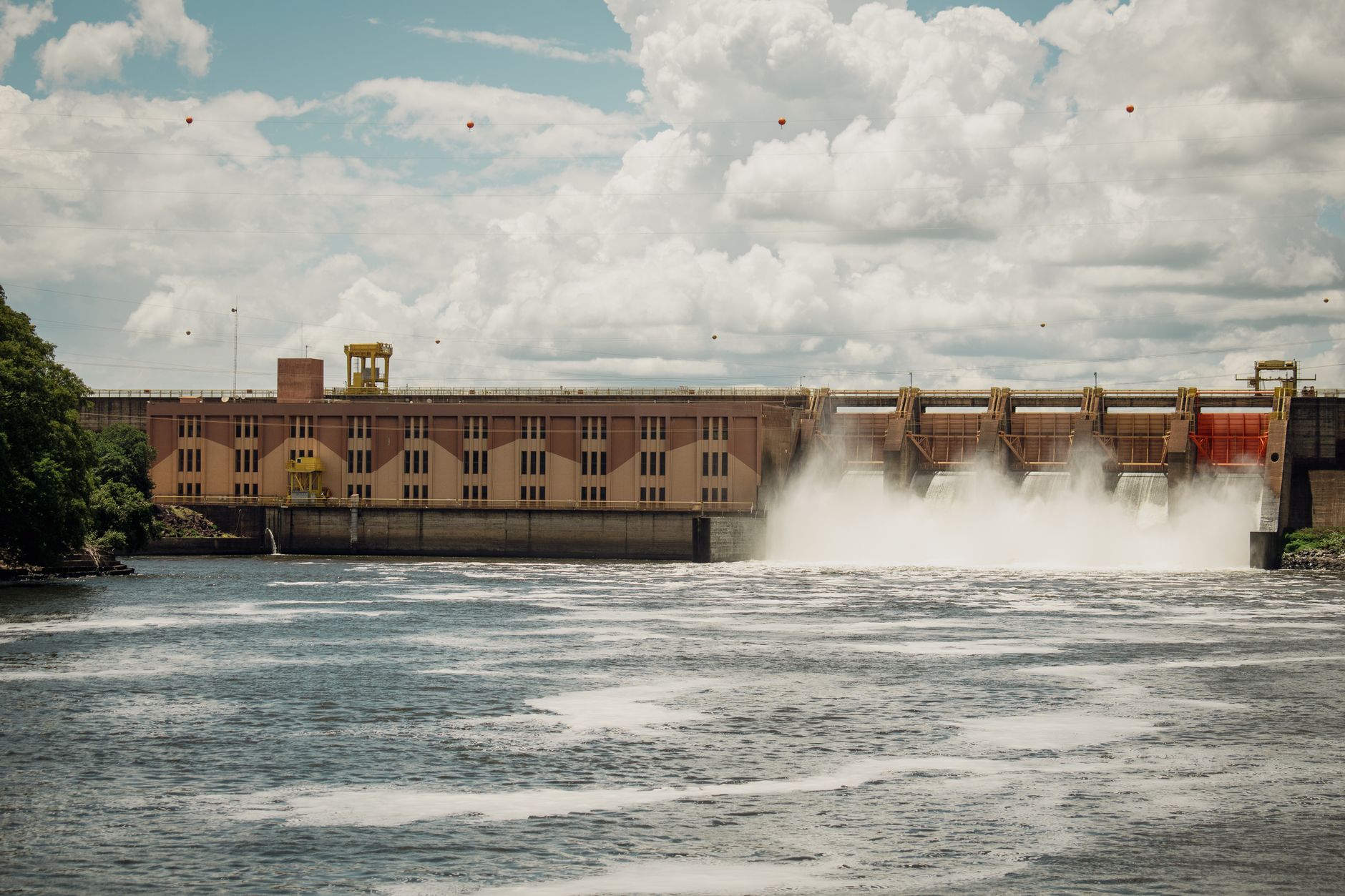
Reservoir hydropower stores potential energy in water held behind a dam. When electricity is needed, that water is released through turbines. Because the water arrives through natural hydrological inflows rather than a separate pumping cycle, the facility is classified as generation rather than storage. That classification has kept much of its operational value outside the storage debate.
For a reader familiar with the capabilities of lithium-ion batteries, the comparison is direct. Reservoir hydro can provide capacity shifting, rapid ramping, frequency response and voltage support—many of the same services that batteries are now being procured to deliver. The difference is duration. A large reservoir can hold energy for weeks or even months, which no chemical battery can do economically. The point is that this asset class already exists and its flexibility has been partly hidden by its own label.
The Grid Services Reservoir Hydropower Actually Provides
Reservoir hydropower is not a single operational mode. A plant with a large seasonal reservoir can behave very differently from a small impoundment run-of-river station. The former can withhold water for long periods and release it when market prices or system conditions are favourable. The latter has limited storage and must generate as water arrives.
The most flexible units can adjust output quickly because the wicket gates controlling water flow through the turbine respond in seconds to minutes. That allows them to provide load following and frequency regulation, as well as spinning reserve. Hydropower also contributes synchronous inertia and can support voltage control through excitation systems, services that are increasingly scarce as thermal plants retire.
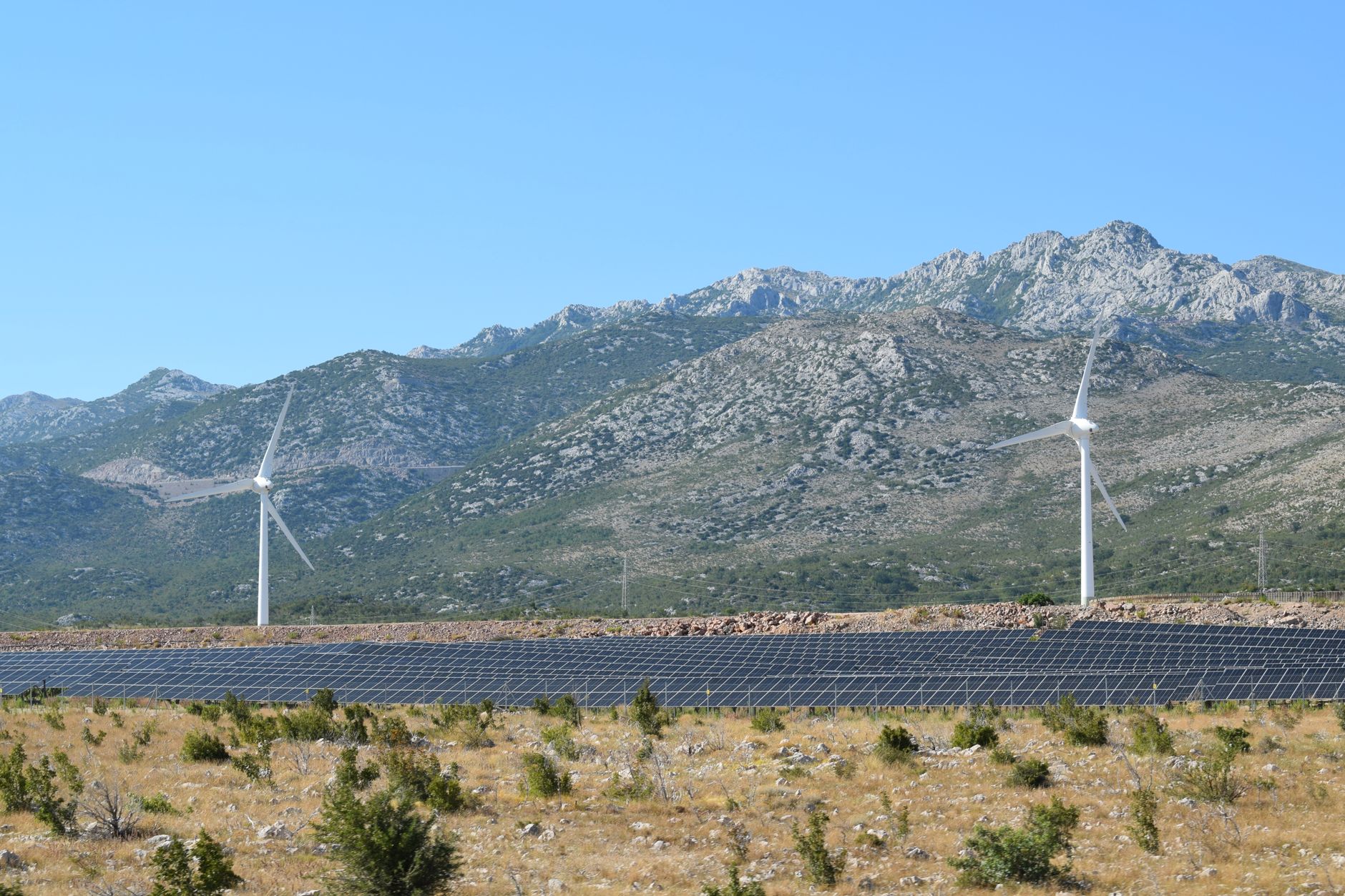
This capability becomes more relevant as grids absorb variable renewables such as solar and wind, including land-constrained options like floating solar on reservoirs or other water bodies. A hydropower plant can be ramped down when solar output rises and ramped up again in the evening, using the same water inventory. The plant does not need to consume electricity to charge; it simply postpones generation.
Seasonal reservoirs take this further. In snowmelt-dominated systems, water can be stored in spring and summer and released in winter when demand is highest. That seasonal time-shifting is beyond the economic reach of grid-scale batteries and is one of the clearest examples of flexibility value that does not fit neatly into the storage categories used in most market discussions.
Why Flexibility Gets Discounted in Storage Debates
Several factors have kept reservoir hydropower out of the flexibility conversation.
- Definitions. Storage is usually defined as a technology that takes in electricity, stores it, and returns it later. Conventional reservoir hydro does not have an electrical charging stage; the energy input is hydrological. As a result, it is counted as generation, not storage.
- Revenue history. Many hydro plants earn money through long-term power purchase agreements or energy-only markets. Their ancillary service revenue has historically been a small add-on rather than the primary business case.
- Policy focus. Incentives for flexibility tend to target new assets. Existing hydro plants are often assumed to be operating optimally, even when their control systems and market participation lag behind what the asset could deliver.
- Narrative. Batteries are declining in cost and attracting attention as the future of storage. Reservoir hydro is old, site-constrained and unlikely to expand much. That makes it less interesting to technology markets, but it does not reduce the services it already provides.
The gap between renewable attributes and grid services is a useful example. Renewable energy certificates may reward the green credential of the electricity, but they typically say nothing about whether the plant was dispatched to support grid stability at a critical moment. A hydro plant could sell certificates for its renewable output while its most valuable flexibility service remains uncompensated in market designs that lack specific ancillary products.
In liberalised markets, part of the issue is a mismatch between existing market products and the physical capabilities of hydropower. A unit that can ramp quickly and hold a specific output for days is not easily captured by short-term balancing products alone. Capacity mechanisms may reward availability, but they rarely differentiate between a flexible hydro unit and a less flexible thermal plant beyond broad availability categories.
Operational Trade-offs and the Real Limits of Flexibility
Reservoir hydro is not an unlimited flexibility resource. Every rapid start, stop or large load change introduces mechanical stress on turbines and generators. The wear from frequent cycling can increase maintenance costs and reduce component life. Operators must weigh the revenue from providing balancing services against the long-term cost of accelerated wear.
Water is also a constrained resource with multiple uses. The same reservoir may be managed for flood control, irrigation, municipal supply, navigation or recreation. A grid operator requesting more flexible dispatch may be told that water must be released before a storm to create flood storage capacity, or held back for summer irrigation. Flexibility for the electricity system is only one priority among several.
Minimum environmental flows often set a lower bound on turbine output. A plant cannot simply stop generating to provide flexibility if a certain amount of water must be released downstream for ecological reasons. These constraints are real and vary by region, season and regulatory framework. They explain why two identical turbine designs can have very different flexibility profiles depending on the catchment they sit in.
There is also the issue of hydropeaking. Rapid changes in discharge below a dam can alter river levels quickly, affecting fish habitat, sediment transport and recreational use. Some systems require ramping rate limits or minimum release schedules to manage these impacts. These limits trade short-term flexibility against longer-term environmental obligations.
Where the Value Framework Is Heading
The direction of change is towards more explicit valuation of flexibility, rather than treating it as an incidental by-product of energy generation. Ancillary service markets are becoming more granular, with separate products for fast frequency response, ramping and inertia. That development is likely to improve the commercial case for reservoir hydro retrofits aimed at faster control and better market participation.
Older plants can often be upgraded with modern governors, condition monitoring and digital dispatch tools. The physical turbine remains the same, but the plant’s ability to respond to market signals changes substantially. This kind of retrofit does not create new environmental impacts, which gives it a practical advantage over building new storage assets in constrained locations.
At the same time, the distinction between a renewable attribute and a grid service is becoming clearer. Renewable energy certificates remain tied to the environmental quality of the energy, while flexibility products reward operational performance. A plant that can do both has two separate value streams, but only if the market and regulatory framework recognise them independently.
For grid planners, the emerging observation is that existing reservoir hydro often contains more flexibility than planning assumptions recognise, with the capability already present in the system, waiting for a market signal that rewards it properly. As variable renewables continue to expand, systems that undervalue their existing flexible resources may find themselves building more new storage than they actually need—an expensive outcome that better market design could avoid.
References
- International Energy Agency (IEA) — World Energy Outlook 2025, electricity flexibility and hydropower analysis.
- International Renewable Energy Agency (IRENA) — Hydropower technology brief, operational characteristics and grid services.
- ENTSO-E — System flexibility and ancillary services terminology.