In the United States and much of Europe, a coal plant approaching retirement is usually at the end of its functional life—forty, fifty, sometimes sixty years old, with depreciated assets and maintenance costs rising faster than revenue. But the coal phase-out in Asia’s energy transition is a different conversation. Many of the coal plants now being asked to close early have not yet finished paying back the money used to build them.
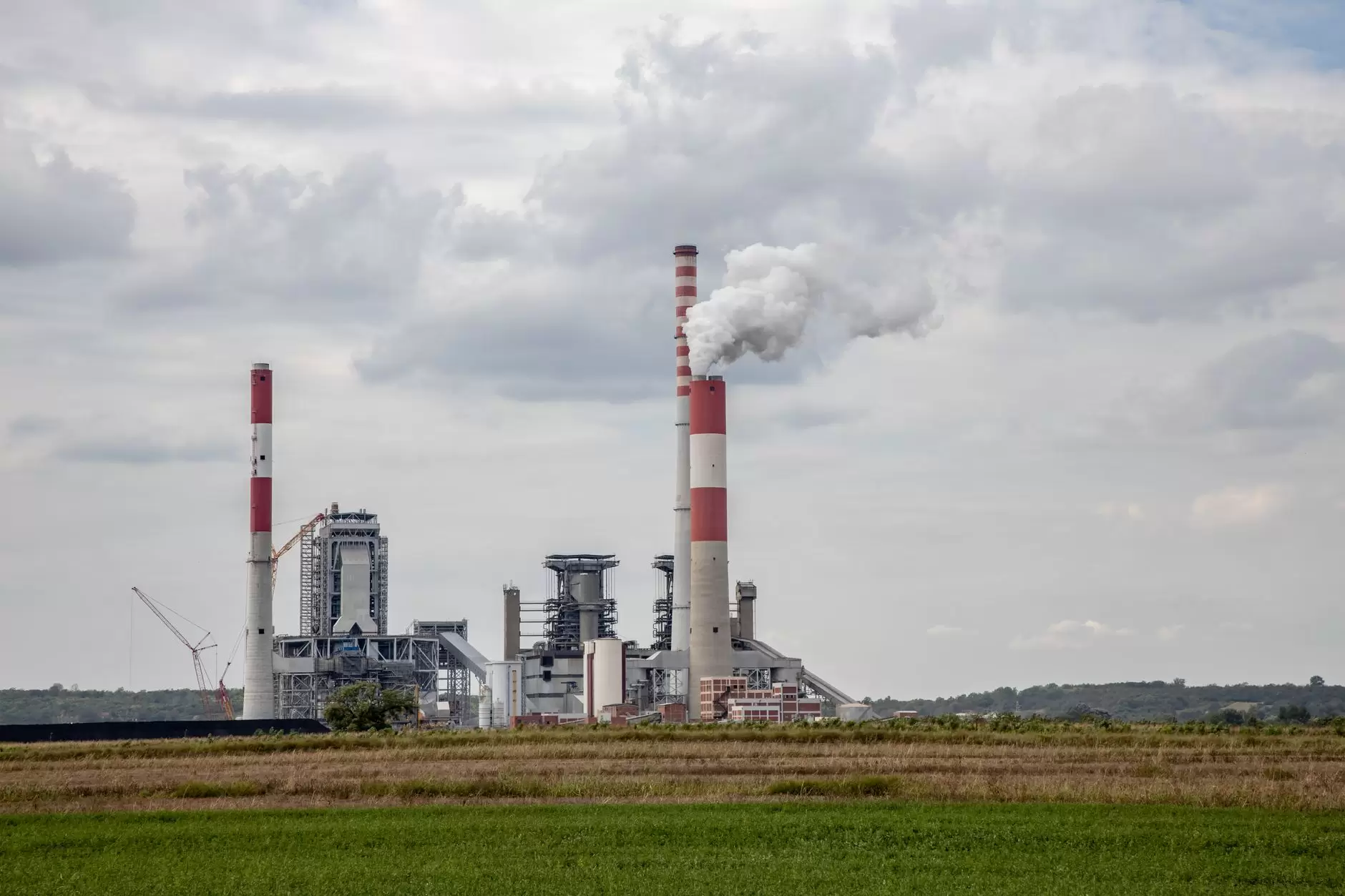
That single difference explains much of the tension running through Asia’s coal phase-out debate. Policy schedules drawn up in the spirit of the Paris Agreement assume coal can be phased out on a timetable similar to Europe’s. But the underlying grid economics, plant ownership structures and technical responsibilities make the comparison poorly suited to the region.
A Different Starting Point
The age of the fleet matters because it changes what phase-out means. In Europe and North America, retiring a coal plant usually means shutting down an asset that has already recovered its capital cost. The plant has paid off its construction loans and generated decades of returns. Retirement is an end-of-life decision, not a mid-life interruption.
Asia’s coal fleet has no such luxury. According to International Energy Agency data, the majority of coal-fired capacity in developing Asia was commissioned after 2000, with substantial additions as recently as the past decade. Many plants are younger than fifteen years. That matters because debt repayment schedules for large power projects often run twenty years or more. A plant that is twelve years old has not yet repaid the bank.
This is not simply a financial detail. It changes how governments think about closure. When a plant is retired early, someone must absorb the remaining debt. That someone is usually the plant owner, the state utility, or the government—which in many Asian markets are the same entity. The result is a policy timeline that looks achievable on paper but collides with balance-sheet reality before it reaches the grid operator.
The Mechanics of Grid Dependency
Coal plants do more than produce electricity. They are large synchronous machines whose rotating mass provides inertia—the tendency of the grid to resist sudden changes in frequency. When a generator trips offline or a transmission line fails, inertia buys system operators time to respond before frequency falls too far.
In many Asian grids, coal provides a substantial share of this inertia. Hydro and gas can also provide it, but the specific mix varies by country. Vietnam and Indonesia, for example, rely heavily on coal not just for energy but also for frequency stability in regions where transmission is weak and other synchronous generation is limited.
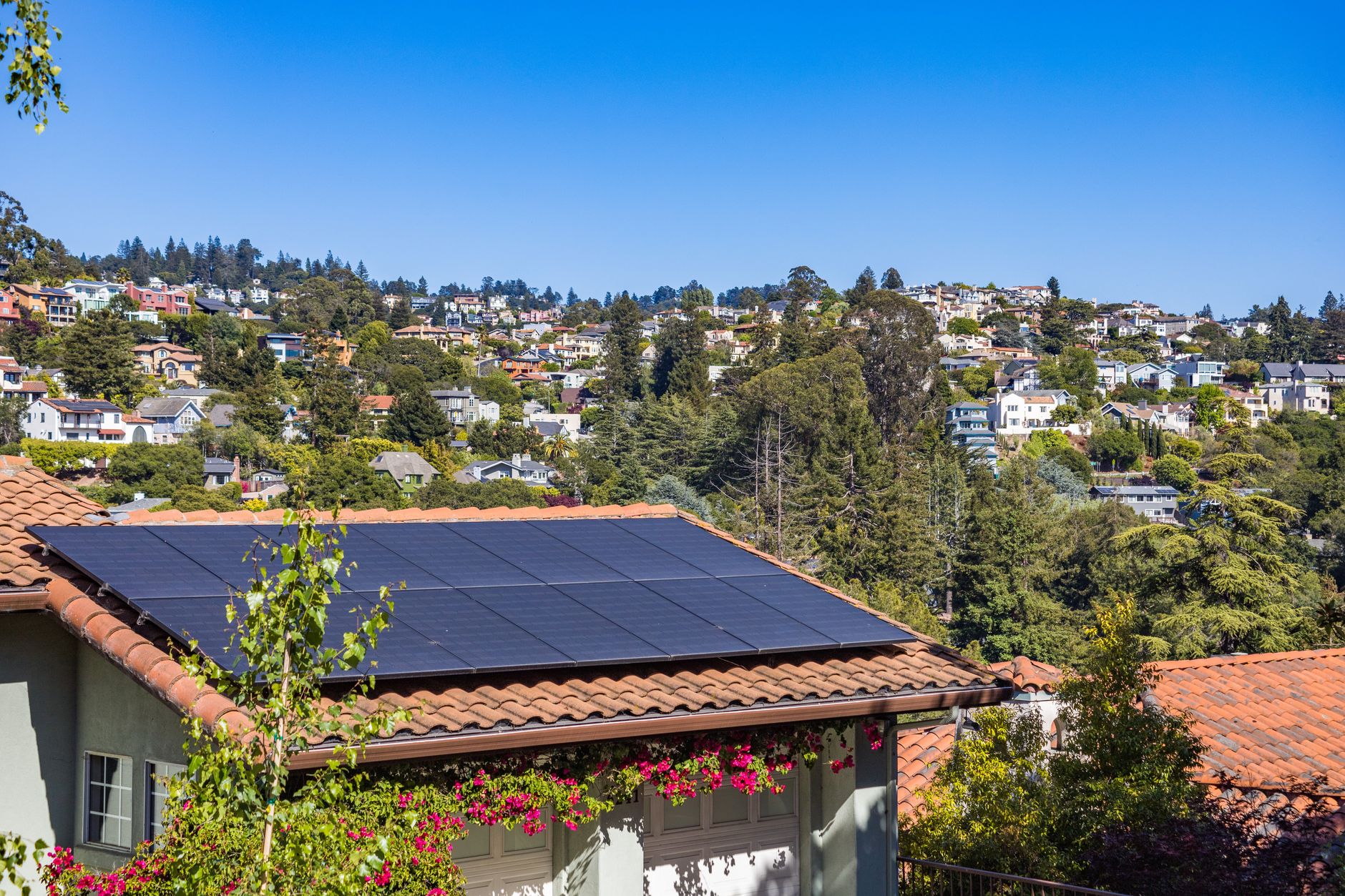
Replacing coal with solar and wind introduces an inertia gap. Inverter-based resources do not inherently provide the same rotational response. They can be configured to offer synthetic inertia through advanced controls, but deploying that at scale requires grid codes, control systems and testing. None of those appear overnight.
System operators therefore face a sequencing problem. They cannot retire coal plants before replacement flexibility is in place, but they also cannot justify delaying renewable targets indefinitely. The gap between those two pressures is where many phase-out deadlines quietly slip. The sequence starts with the flexible assets, grid services and market frameworks that will substitute for coal, and those need to be demonstrated at scale before final retirement dates are locked in.
Stranded Debt and the PPA Problem
The commercial structure of Asian coal complicates early retirement further. Many plants operate under long-term power purchase agreements signed when demand forecasts were higher. These contracts often guarantee capacity payments regardless of how much electricity the plant actually sells.
Retiring such a plant does not end the utility’s obligation. The utility—or the grid operator acting on its behalf—may still owe fixed payments for the remainder of the contract. BloombergNEF and World Bank analyses have highlighted this pattern across Southeast Asia, where state utilities shoulder both the off-take risk and the political cost of closure.
Indonesia and Vietnam illustrate the mismatch. Both countries committed to ambitious renewable targets and signed Just Energy Transition Partnership agreements with international financiers. Yet the early-mover coal plants in both countries are frequently bound to long-term PPAs with state guarantees, locking in generation commitments that run counter to their stated transition goals.
Those legal structures were designed to attract investment at a time when coal was considered the least-cost option. Undoing them requires either renegotiating contracts, buying them out, or transferring the liability to the public balance sheet. The binding constraints here are financing and governance rather than engineering. This explains why several phase-out schedules have slipped since their announcement.
What Needs to Be Reconciled
Closing the gap between policy timelines and grid reality requires progress on several fronts at once. Grid flexibility is the first. Without adequate storage, demand response, or fast-ramping gas capacity, system operators cannot retire coal units without risking load-shedding during evening peaks or sudden generator outages.
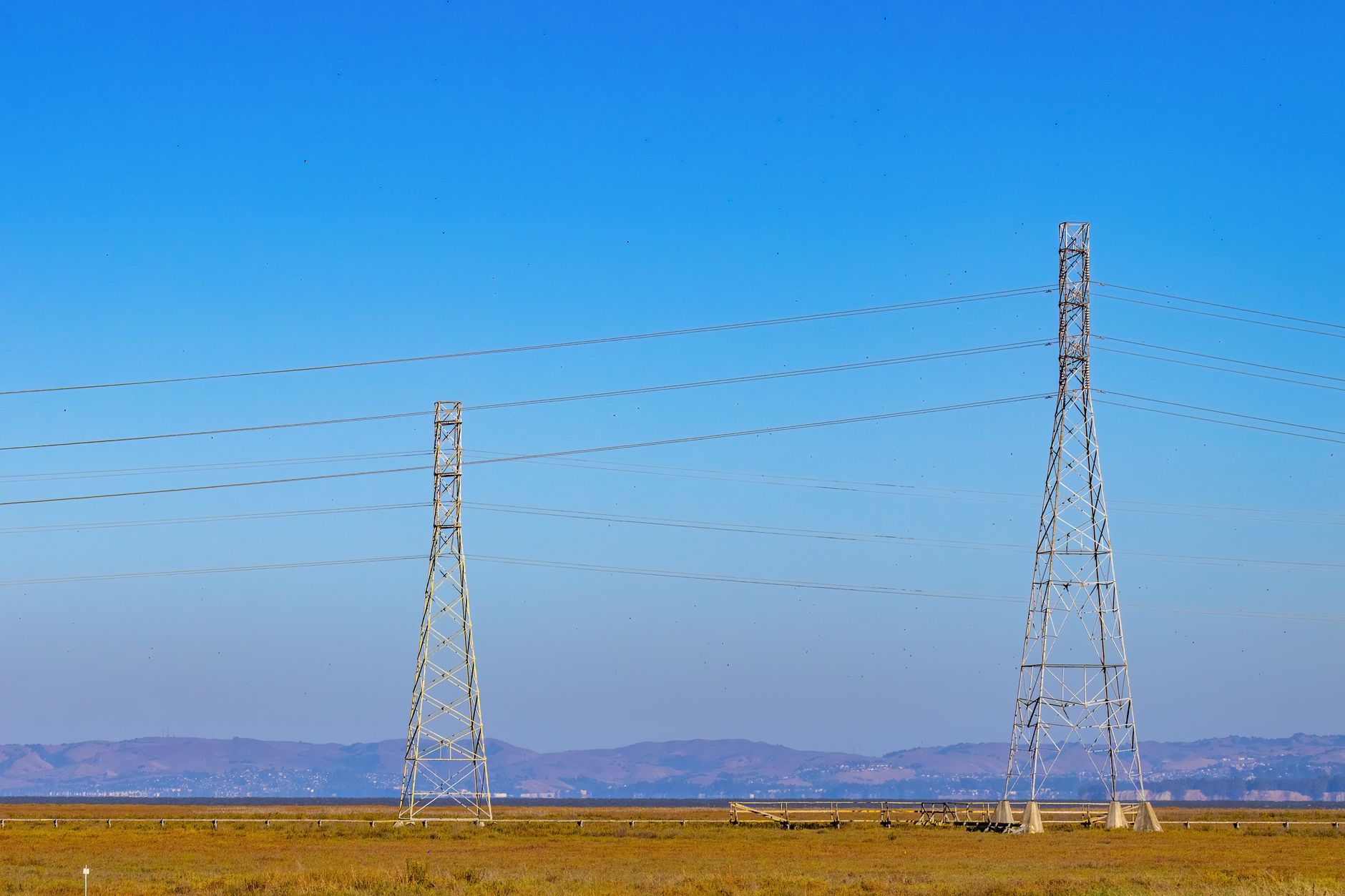
Transmission expansion is the second. Asia’s renewable resources are often concentrated far from load centres—solar in the northwest of India, offshore wind in the South China Sea, hydropower in the upper Mekong. Moving that energy to demand centres requires new high-voltage lines that take years to permit and build, a point IRENA has documented in its grid integration assessments.
Market design is the third. Many Asian power markets are still dominated by vertically integrated utilities or single-buyer models. Introducing competition, scarcity pricing, or capacity remuneration mechanisms changes how coal plants are valued and how storage is compensated. Without these reforms, coal plants retain an advantage simply because the market was built around them.
Financing mechanisms are the fourth. Early retirement requires capital to buy out PPAs, refinance debt, or fund transition plans for affected workers and communities. The Just Energy Transition Partnership programs for Indonesia and Vietnam represent early attempts, but they have moved slower than expected because the underlying contracts and institutional arrangements were not designed for premature closure.
What Comes Next
The trajectory of Asian coal phase-out is likely to diverge by country. China and India face different pressures than Vietnam and Indonesia, which in turn differ from the Philippines or Bangladesh. Each has a different fleet age, demand growth path, grid configuration, and financing exposure.
What unites them is that the policy announcements have, in most cases, outrun the operational preparation. The schedules themselves are not impossible, but they are premature relative to the grid flexibility, transmission capacity, market rules, and financial instruments that would be needed to execute them. Even where the political will is genuine, the practical groundwork—new dispatch arrangements, reserve and voltage support, interconnection upgrades, and creditor coordination—has barely started.
That gap is what separates treating coal retirement as a carbon-cutting exercise from treating it as an infrastructure transition. The latter involves planning for replacement capacity, frequency services, voltage support, and the orderly reallocation of stranded debt, and sequencing those steps against the actual capabilities of the grid. A closure date is only as credible as the system’s ability to absorb it.
The next few years are likely to test whether Asian governments can convert phase-out commitments into the engineering and financial work required to make them real. The lesson from the first wave of announcements is that grid readiness—not the announcement itself—determines whether schedules hold. The real challenge lies in managing what the grid does after a plant stops running.
References
- International Energy Agency — used for coal fleet age and capacity data in developing Asia
- BloombergNEF — used for analysis of stranded assets and long-term PPA structures in Southeast Asia
- World Bank — used for discussion of financing constraints in early coal retirement
- IRENA — used for grid integration challenges and renewable resource location