The Manual Era Automation Replaces
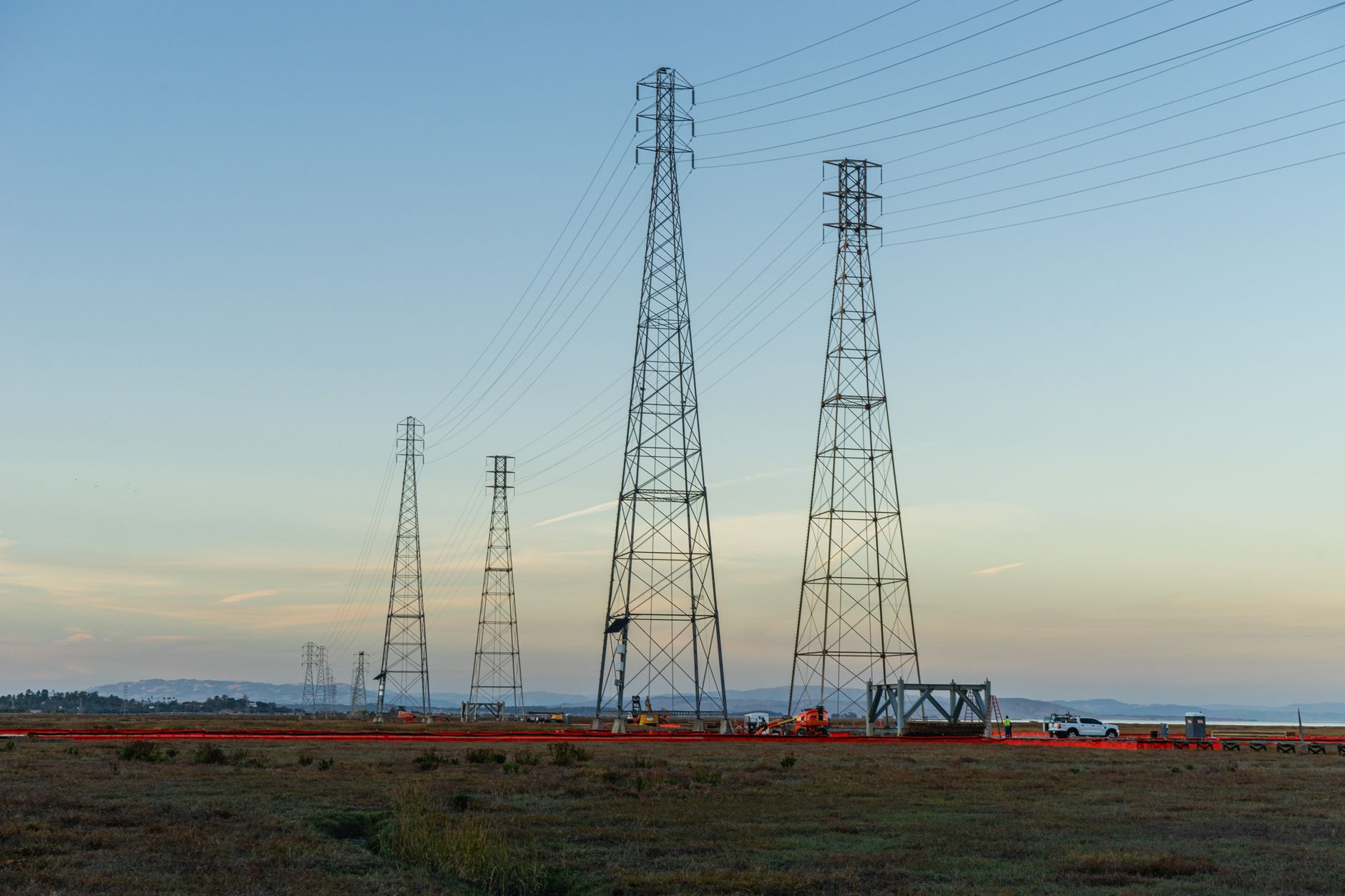
For most of the history of distribution networks, the only reliable sensor on a feeder was a customer picking up a telephone. A dark house meant a call to the utility, a dispatcher logging an address, and a field crew driving along the line—often at night and in poor weather—to search for a downed conductor or a blown fuse. Restoration time depended less on engineering than on geography: the closer the crew, the faster the fix. This arrangement was not a temporary workaround but the standard operating model for most of the grid’s existence.
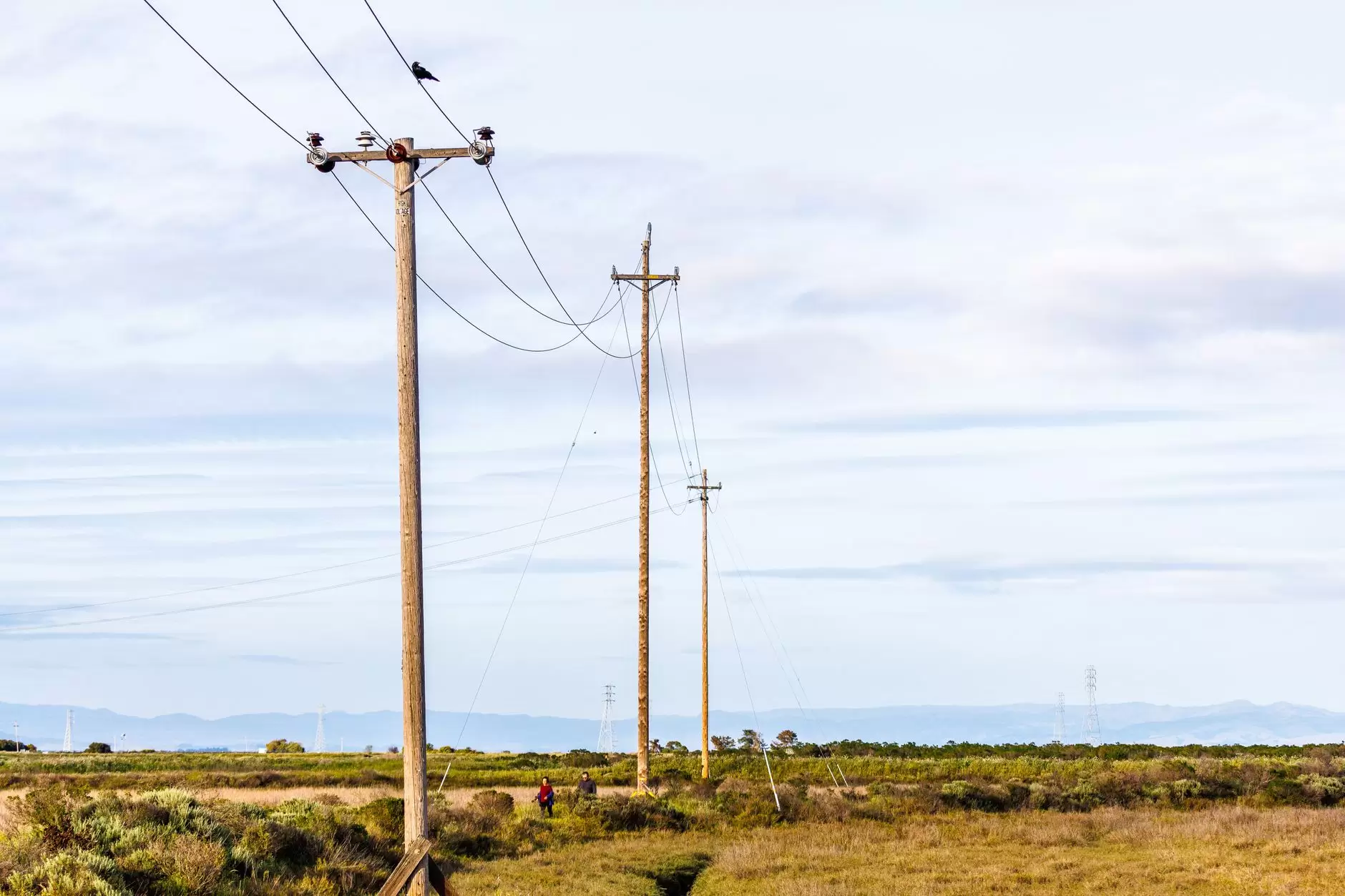
The deeper constraint was informational. Control rooms had good visibility into transmission substations, but once power left the substation and entered the distribution network, observability dropped sharply. Utilities knew how much energy had been dispatched, but they often did not know where an individual fault sat on a radial feeder. That asymmetry explains why some rural outages lasted far longer than urban ones: fewer customers meant fewer phone calls, and fewer phone calls meant a longer search. Automation is, at its core, an attempt to reverse that information gap.
From Centralised SCADA to Distributed Automation
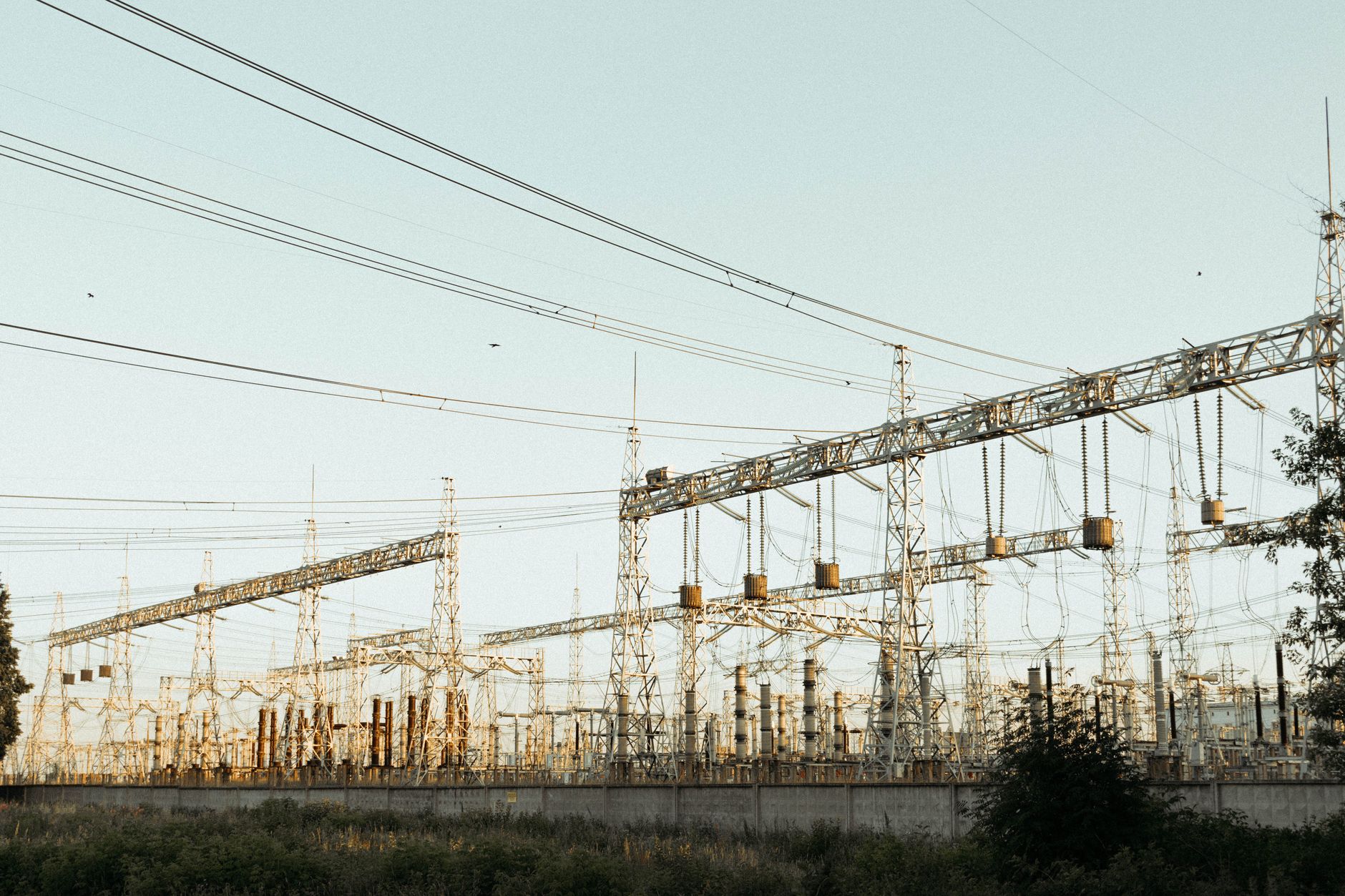
Supervisory control and data acquisition, or SCADA, was the first major step toward automated grid operation. It allowed operators to monitor substation equipment from a central control room and, in many cases, to open or close breakers remotely. SCADA grew up around transmission networks, where the number of monitored points was manageable and a missed event carried severe consequences. Distribution systems, with thousands of devices spread across long feeders, remained largely manual for much longer.
Distribution avoided early automation for practical reasons. The communication infrastructure needed to reach every switch and recloser was expensive relative to the localised consequences of a distribution fault. A radial feeder served a limited number of customers, and a crew could usually locate the problem by patrolling the line. The business case for remote visibility was weaker than it was on the transmission network, where a single event could affect a much larger area and require coordinated switching across substations.
The shift toward distribution automation came as the cost of remote terminal units, communications equipment and intelligent electronic devices fell enough to justify deployment beyond the transmission substation. Utilities began adding automated switches, reclosers and fault indicators to feeders, linked by a mix of communication technologies. This is the physical foundation covered in the article on the building blocks of a digital grid, where sensors and communication networks are examined in more depth. Automation moved from a centralised, substation-level discipline to something distributed across the network, part of the wider grid modernization effort.
Self-Healing: Fault Location, Isolation, and Restoration
In distribution engineering, the term self-healing refers to a specific sequence: fault location, isolation and service restoration, or FLISR. The objective is to limit how many customers lose supply and for how long, rather than to prevent faults entirely. A conventional protection scheme clears a fault by opening the nearest upstream device, which can leave an entire feeder de-energised. A FLISR scheme aims to isolate only the faulted segment and then restore healthy sections from alternative sources.
A typical automated sequence runs through several stages. Field devices detect the overcurrent and communicate with a controller or a distributed decision system. Automated switches on either side of the fault open to isolate the faulted section. Normally open tie switches then close to feed healthy downstream sections from an adjacent feeder. Finally, the original fault location is reported to a crew for repair. Each stage compresses what previously required multiple manual switching operations and close coordination across departments.
This changes the economics of a fault. Instead of treating every interruption as a crew dispatch followed by a patrol, the system can restore many customers within minutes of the initial trip. The exact reduction depends on network topology, the number of available tie points and the level of communications investment. That variability is why some utilities report dramatic improvements on select feeders while others see modest gains across the network.
A less obvious but equally important constraint is transfer capacity. Closing a normally open tie switch restores customers only if the adjacent feeder has enough spare capacity to carry the additional load. If it does not, the automated scheme may simply shift the overload to a healthy feeder and create a secondary outage. Real-time loading data, rather than static ratings, often determines whether a self-healing sequence can complete safely.
Why Automation Is Moving From Optional to Standard
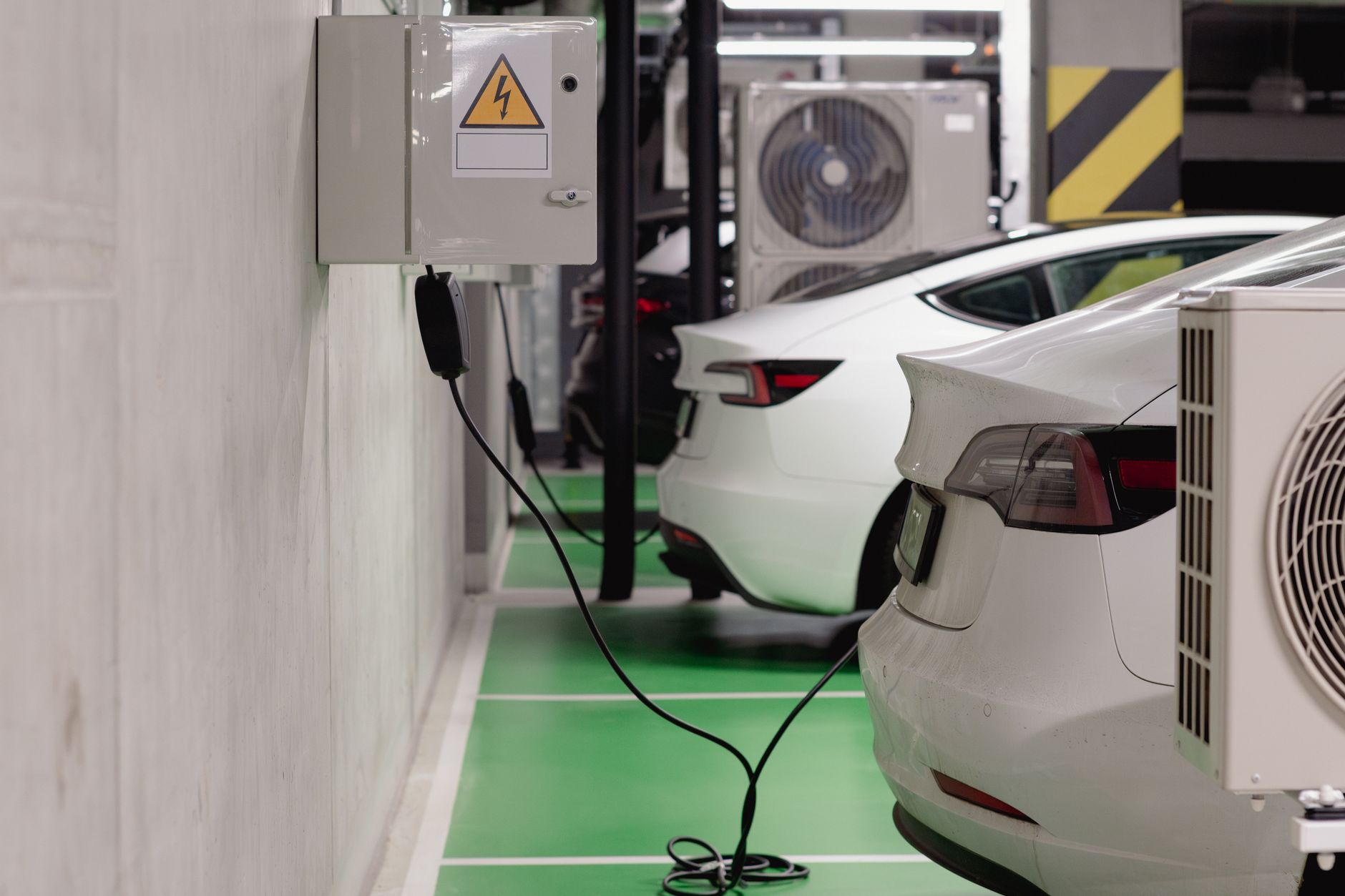
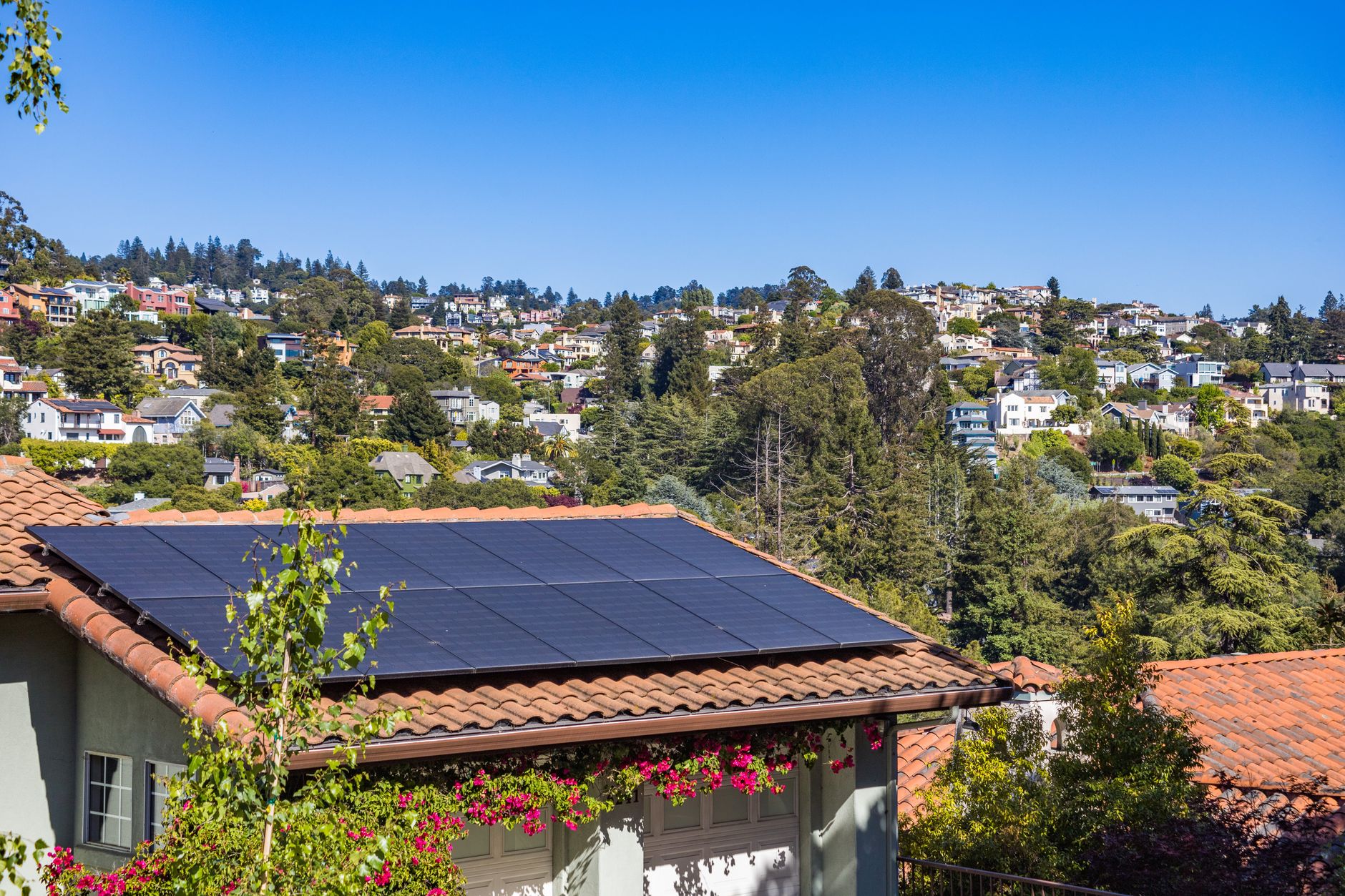
Distribution networks were designed around one-way power flows from large centralised plants toward customers. That assumption shaped protection settings, voltage control and switching practices. Distributed generation, rooftop solar and electric vehicle charging have weakened the assumption. Reverse power flows can confuse legacy protection schemes, and voltage profiles can shift in ways that substation-level control alone cannot manage. Automation provides the faster sensing and control needed under these more variable conditions, and the shift is explored alongside the changing protection and control landscape in inside the digital substation.
Workforce change adds a second pressure. Many utilities face a wave of retirements among engineers and field staff who learned the network by walking it and mapping it by hand. Automation cannot replace that experiential knowledge, but it can encode some operational logic into software. A self-healing scheme can execute switching steps that an experienced operator might choose, and it can do so consistently at any hour. This is one reason utility executives treat automation as a workforce risk management tool as much as a reliability investment.
Data from smart meters adds a further layer. Meter data gives utilities visibility into the last mile of the network and helps confirm whether restoration actually reached the customer. When combined with automated field devices, meter data turns outage management from an estimate into a verification exercise. That integration is part of a broader pattern in which multiple digital systems increasingly share a common operational picture.
Regulation reinforces the shift in some jurisdictions. Where performance-based regulation ties revenue to reliability indices such as SAIDI and SAIFI, utilities have a direct financial incentive to shorten outage duration. Manual restoration processes that depend on crew availability become harder to defend when the same outcome can be achieved through automated switching. The regulatory context varies by market, but the direction of travel is consistent: outage duration is increasingly treated as a measurable performance target rather than an unavoidable operational variable.
What Limits the Next Phase
Interoperability remains the most persistent technical constraint. Utilities rarely buy all automation equipment from a single vendor, and older devices may communicate using proprietary protocols. The adoption of IEC 61850 and related standards has improved interoperability within substations, but the field is less uniform across distribution devices. A utility can invest heavily in automated switches and still find that data does not flow cleanly between systems. Integration cost frequently exceeds hardware cost in these programmes.
Cybersecurity adds another layer. Every automated switch and remote terminal unit becomes a network endpoint, and many were installed before utilities treated distribution control systems as exposed infrastructure. The relevant framework is IEC 62443, the international standard for industrial automation and control system security, which prescribes identity and access management, patch management and network segmentation. None of those is straightforward in a network with many thousands of endpoints. The trade-off is structural: more automation improves operational speed, but it also increases the attack surface that system operators must manage. The operational risks and defence-in-depth strategies are covered in cybersecurity in the digital grid.
Where grid automation goes next is shaped less by technology availability than by the difficulty of integrating it at scale. The devices themselves are proven. The harder problems involve data models, security governance, and the organisational changes needed to operate a distribution network more like a control system than a collection of manual assets. That challenge, rather than any single hardware breakthrough, shapes the next phase of automation investment.
References
- IEA — Digitalisation and Energy (2017): context on digital technologies in electricity systems, including outage management and grid automation.
- IEC 61850 — Communication networks and systems for power utility automation: interoperability framework for substation and field device data exchange.
- IEC 62443 — Industrial communication networks — Network and system security: security framework for industrial automation and control systems.