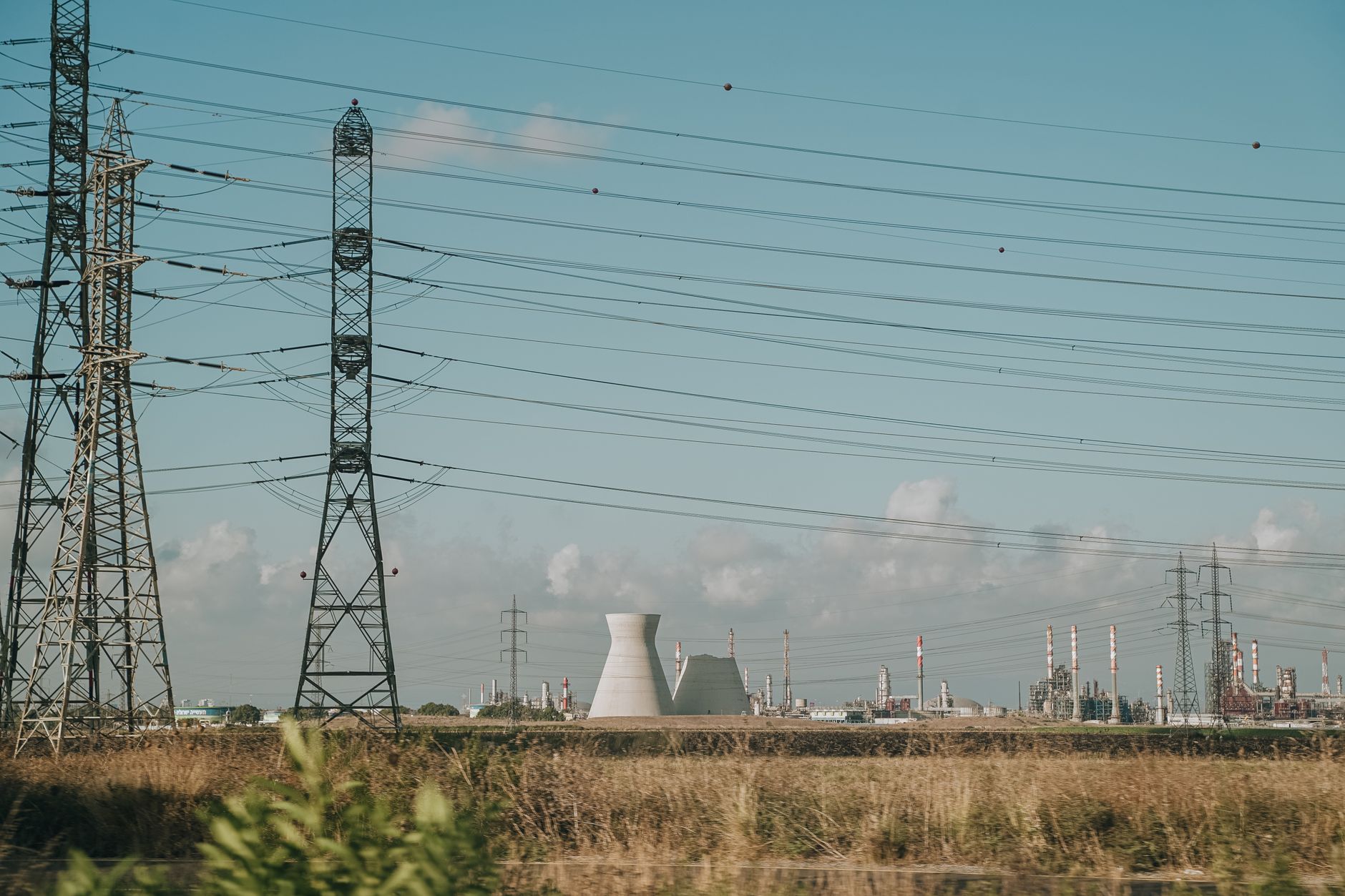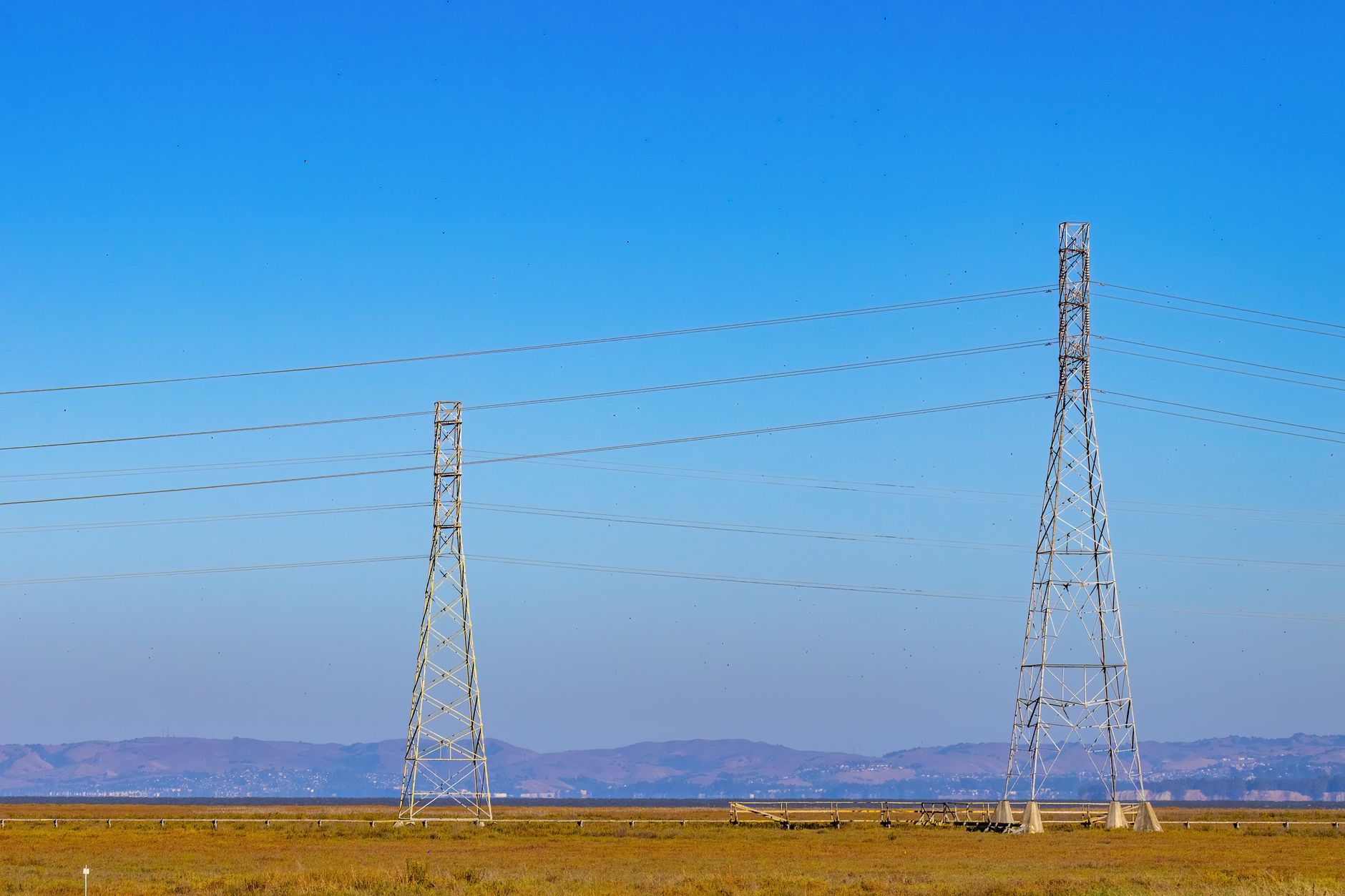
For decades, Malaysia’s power sector rested on a compact set of assumptions: abundant domestic natural gas, a dominant national utility, and long-term power purchase agreements that gave generators predictable revenue. Malaysia was not alone in building around gas. It formed part of a wider Asia-Pacific pattern in which cheap natural gas shaped both investment and regulation across many emerging power markets.
Those assumptions are now loosening. Malaysia has committed to a net-zero target, domestic gas supply is tightening, and new sources of demand are arriving faster than the legacy procurement machinery was designed to handle. The result is a power sector that must manage a transition without the luxury of writing off contracts or abandoning existing plant.
A System Shaped by Gas and Long-Term Contracts
Malaysia does not operate a single national grid. Peninsular Malaysia has its own interconnected system centred on Tenaga Nasional Berhad (TNB), the dominant utility in Peninsular Malaysia that historically combined generation, transmission and distribution. Sabah and Sarawak have separate arrangements. Sarawak’s generation relies heavily on hydropower rather than gas, which is one reason generalising about Malaysia’s power mix can mislead.
In Peninsular Malaysia, natural gas has historically been the primary fuel for generation, followed by coal and hydropower. This gas reliance made the power sector tightly coupled to upstream gas economics. For years, subsidised gas prices helped hold down electricity costs, but that approach also reduced the incentive to diversify away from gas as the dominant fuel.
The fuel mix was matched by a procurement model. Much of Peninsular Malaysia’s capacity was built by independent power producers under long-term agreements with the utility or the single-buyer entity. These contracts typically combined capacity payments with fuel cost pass-through, so generators earned revenue for being available nearly as much as for producing electricity. The arrangement delivered investment certainty, but it also embedded costs that a cheaper plant does not necessarily eliminate. Whether those costs persist depends on the terms of each agreement, how much of its tenor remains, and whether the parties renegotiate or buy out the obligation.
The Pressures Building on the Legacy Model
Malaysia’s net-zero target is one pressure. Electricity is central to that ambition because the sector accounts for a large share of national emissions and because clean electricity can support decarbonisation in transport and industry. The policy signal points toward a lower-carbon mix, but the existing contracts and gas infrastructure were not designed around that objective.
A second pressure is physical. Peninsular Malaysia’s domestic gas production has not kept pace with demand growth, and the system now relies on imported LNG for a growing share of gas supply. That changes the economics materially: gas-fired plants are increasingly exposed to global LNG prices rather than cheap domestic gas. Japan’s GX strategy addresses a version of this exposure, though from a much larger import base.
A third pressure is contractual. Many existing IPP agreements include capacity payments that continue regardless of how often the plant runs, so replacing gas-fired output with renewables does not automatically reduce system costs in the short term. Any rapid shift requires negotiating early exits, allowing contracts to run down, or accepting duplicate capacity costs. China’s provincial spot pilots are testing how legacy contracts and new market mechanisms coexist, but the transition there is equally gradual.
At the same time, electricity demand is rising, driven partly by manufacturing and data centre development in Johor. Some of these new loads are concentrated in areas that already face transmission constraints, which changes the calculus for where new generation should connect. India’s electricity sector offers a regional example of how quickly demand growth can outpace grid and contractual assumptions.
Renewables and the Friction of Market Structure
Malaysia has abundant solar potential, and large-scale solar auctions have become the main route for utility-scale renewable capacity. The government has also used net energy metering and corporate programmes to broaden participation. Costs have fallen, but the binding constraints are often contractual and institutional rather than technological.
Because Peninsular Malaysia does not operate a competitive wholesale market, most new renewable projects depend on contracts with the utility or a designated buyer. That centralised structure can deliver orderly growth, but it is less flexible than a market where multiple counterparties compete for renewable output. The pace of deployment therefore reflects utility procurement plans rather than a continuous market signal.
Grid absorption adds another layer. Neighbouring markets such as Vietnam have shown how rapid renewable additions can collide with transmission and balancing capacity when procurement moves faster than grid investment. Malaysia’s system, with its separate peninsular and East Malaysian grids, faces a comparable need to align renewable siting with physical network capacity.
Corporate demand is also shaping expectations. Data centre operators and manufacturers increasingly want renewable or low-carbon electricity, which puts pressure on the current procurement model to offer more transparent and faster pathways. Corporate PPAs and green tariffs are emerging, but the framework is still evolving and does not yet operate at the scale of the gas-based contracts that dominate the system.
What a Lower-Gas Future Requires
Malaysia need not abandon natural gas quickly to make progress. Gas-fired plants provide flexibility that becomes more valuable as solar penetration increases. The more difficult questions concern how much gas capacity remains economic to contract, how its costs are allocated, and how the grid integrates intermittent renewable output without weakening reliability.
That rebalancing has several practical dimensions. Grid investment must anticipate where new demand and solar capacity are connecting. Existing gas plants may need to shift from baseload to peaking or balancing roles, but their PPAs may still compensate them for baseload availability. Battery storage costs have fallen sharply in recent years, making storage a credible option for frequency and balancing services, though it brings its own capital and operational costs.
The division between Peninsular and East Malaysia remains important. Sarawak’s hydropower gives it a different starting point, while Sabah’s smaller system has less interconnection and different constraints. Any move toward greater power exchange between these systems would require both physical infrastructure and commercial arrangements that do not currently exist at scale.
For outside observers, the Malaysian case illustrates how the structure of contracts can matter as much as the choice of technologies. A power sector that spent decades optimising for gas abundance and investment certainty now faces tighter domestic gas, global LNG exposure, a net-zero target, and demand from new industries. The transition turns on renegotiating the relationships between utilities, independent power producers, customers and the grid, rather than merely swapping one fuel for another.
References
- International Energy Agency — World Energy Outlook 2025: electricity demand and generation mix trends in Southeast Asia.
- IRENA — Renewable Power Generation Costs 2024: cost trends for utility-scale solar in Asia.
- BloombergNEF — Energy Storage Outlook: recent cost and deployment trends for battery storage.