In the space of a few years, Vietnam moved from a power system built almost entirely around hydro and coal to one of the most active renewable markets in Southeast Asia. That deployment happened far faster than the transmission network could absorb, and it set the terms of Vietnam’s energy transition. The outcome was not smooth integration but a sequence of grid constraints, curtailment and an abrupt rethink of how the government set renewable policy.
Vietnam’s experience matters beyond its borders because it compressed into a short period a tension now appearing across the region: renewable investment can move faster than grid investment. The country’s response — moving from feed-in tariffs to auctions, opening direct purchase arrangements, and reconsidering who pays for network expansion — offers a live case study for the wider Asia-Pacific energy transition.
A System Built Around Hydro and Coal
For decades Vietnam’s electricity sector operated through the state utility Electricity of Vietnam (EVN), under a model built around large centralised plants. Hydropower in the north and centre of the country, and coal-fired generation, formed the backbone of supply. Transmission corridors were designed to move power from those plants toward the two main load centres, Hanoi in the north and Ho Chi Minh City in the south.
That legacy matters because the renewable projects that arrived from 2017 onward did not follow the same geographic logic. Instead, they clustered where irradiation, wind resource and available land were best — much of it in central and southern provinces such as Ninh Thuan and Binh Thuan. Those areas had transmission infrastructure designed as endpoints or light through-routes, not as large injection points for hundreds of megawatts of solar.
This mismatch between the location of the resource and the layout of the network runs through Vietnam’s transition. It helps explain why a country with abundant renewable potential has spent much of the past few years managing the consequences of its own success. In provinces such as Ninh Thuan and Binh Thuan, where solar capacity concentrated fastest, curtailment and network reinforcement became recurring operating issues rather than exceptions. Much of that buildout traces back to the incentive design that set it in motion.
How the Feed-in Tariff Rush Overwhelmed the Grid
Vietnam’s renewable scale-up began with feed-in tariff programmes introduced in 2017 and extended in 2019. The tariffs were among the more generous in Southeast Asia at the time, and they pulled in developers quickly. What made the process unusual was the deadline structure: projects had to reach commercial operation by a fixed cut-off to lock in the tariff level.
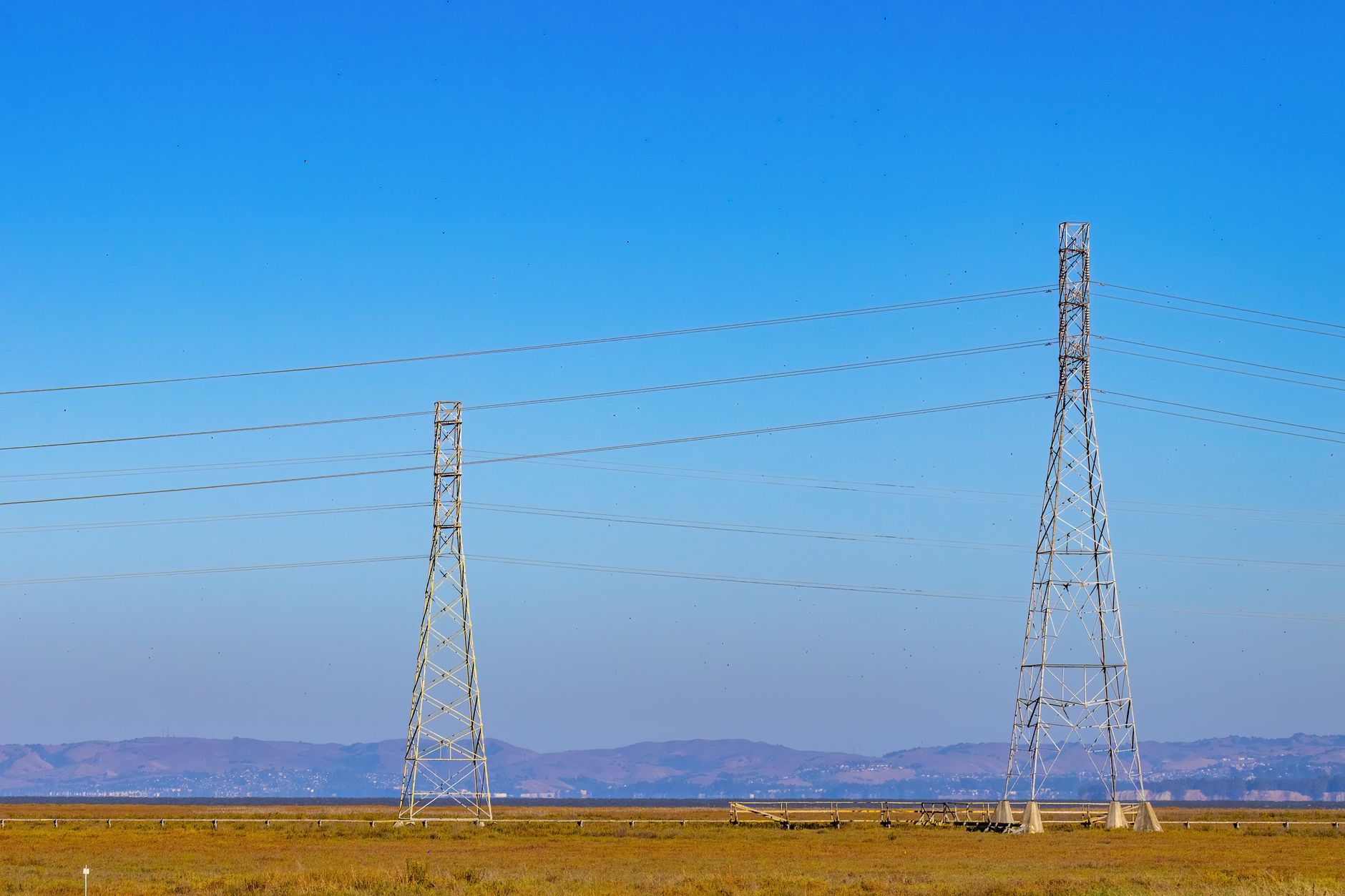
The consequence was a race to connect before the deadline, which compressed several years of normal project development into a single window. Developers funded and built plants, then requested grid connection in waves. The network could not keep pace. Substations reached capacity, and long stretches of 110 kV and 220 kV line became overloaded during midday solar peaks in the affected provinces.
Here lies the operational detail that reframes the story: much of the solar capacity arrived at exactly the locations where the grid had the least spare headroom. The same central provinces that offered the best solar conditions had been at the end of radial transmission paths built for a lighter local load and supply from distant hydro. Large injections at those points reversed the normal direction of power flow and exposed protection and voltage limits that earlier planning had not anticipated.
The result was curtailment. At its most acute, some utility-scale plants in central provinces had portions of otherwise available output refused by the system operator to protect network stability. This was not a market signal against solar generally; it was a physical consequence of adding generation where the network could not yet carry it. The contrast with India’s electricity sector, where growth has similarly outpaced grid expansion, is instructive: in both cases the bottleneck is less about generation capacity and more about the pace of transmission and distribution investment.
From Curtailment to Policy Reset
Vietnam did not abandon renewables in response. It changed the instruments. The feed-in tariff gave way to a more selective approach, and the government’s eighth power development plan shifted the emphasis toward careful phasing of renewables, grid investment and a continuing role for gas and coal during the transition.
The policy reset also opened room for direct power purchase agreements, allowing large industrial and commercial customers to contract with renewable generators rather than relying solely on EVN. That change matters because it alters the commercial and settlement arrangement rather than the physical one: developers gain a route to earn revenue from private demand rather than only from state-offered tariffs, while delivery and balancing continue to depend on the grid, the utility and the market rules in force. The move mirrors, in a modest way, some of the market experimentation visible in China’s power market reforms, where provincial pilots are testing how far price signals can guide dispatch and investment.
Vietnam’s industrial expansion adds another layer. The country has become a manufacturing base for electronics, garments and increasingly heavy industry, which has pushed electricity demand growth to levels few mature systems experience. Large industrial buyers face pressure from their export customers to source renewable power. That demand is one reason direct purchase agreements matter: they give manufacturers a way to procure clean electricity directly, even while the central grid remains constrained.
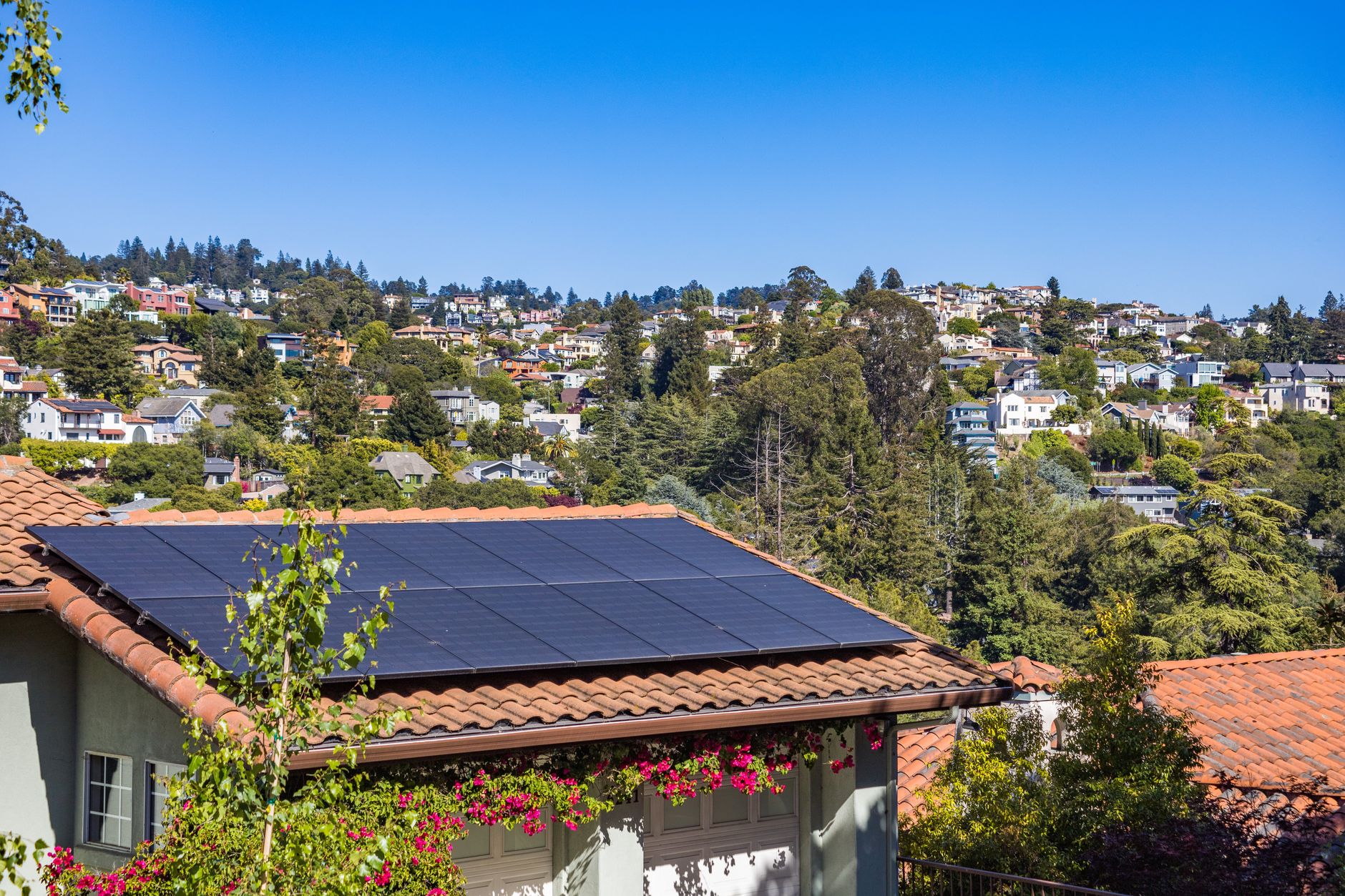
Rooftop solar followed a different path. An earlier boom in commercial and industrial rooftop systems led to a period of policy reversal, as the government tightened rules around surplus export to avoid placing further strain on distribution networks at the low-voltage level. The lesson, repeated across Vietnam’s renewable segments, is that policy has moved in step with grid constraints. Where the network could not absorb new capacity, the framework was adjusted.
Coal remains part of the picture. Vietnam has continued to develop coal-fired capacity while signalling a longer-term shift, a balance that reflects the same energy security concerns visible in Japan’s GX strategy. The difference is that Vietnam’s coal expansion is happening alongside an unusually fast renewable build-out, which makes the sequencing of coal retirements more complicated than in some more advanced markets.
What Comes Next: Grid First, Then More Renewables
How quickly the next wave of solar and wind can proceed depends on network reinforcement: transmission projects that strengthen the central-to-south corridor, increase transformer capacity at constrained substations, and add interconnection between regions. Storage is beginning to appear as a complement, offering a way to shift midday solar output into evening peak hours and reduce the physical pressure on daytime-constrained lines.
The direction of travel points toward a slower but better-coordinated renewable build. Instead of deadline-driven races, the expectation is for projects to align with specific grid capacity. Auctions, direct purchase agreements and more explicit network planning are shaping the next phase. Whether those mechanisms can attract investment at the scale Vietnam’s demand growth implies is an open question, and one that matters for the wider region.
Regional interconnection adds another dimension. Vietnam’s location places it along emerging cross-border power flows in the Mekong region, and any future trade in electricity would depend on network capacity that currently has limited slack. The internal reinforcement agenda therefore also sets the boundary for how much regional exchange becomes practical.
The unresolved tension remains the central lesson: renewable ambition, however strong, still has to travel through a transmission system that was designed for a different kind of supply. Vietnam’s adjustment reflects a recognition that the sequencing of generation and grid matters as much as the technology itself.
References
- IEA — World Energy Outlook 2025 electricity demand data: Vietnam’s electricity demand growth, generation mix, and coal-fired capacity trend
- IEA — Electricity 2025: utility-scale solar deployment and grid integration challenges in emerging markets
- IRENA — Renewable Power Generation Costs 2024: declining utility-scale solar and wind costs that supported the investment wave
- Ember — global electricity data: Vietnam’s rising solar and wind generation share