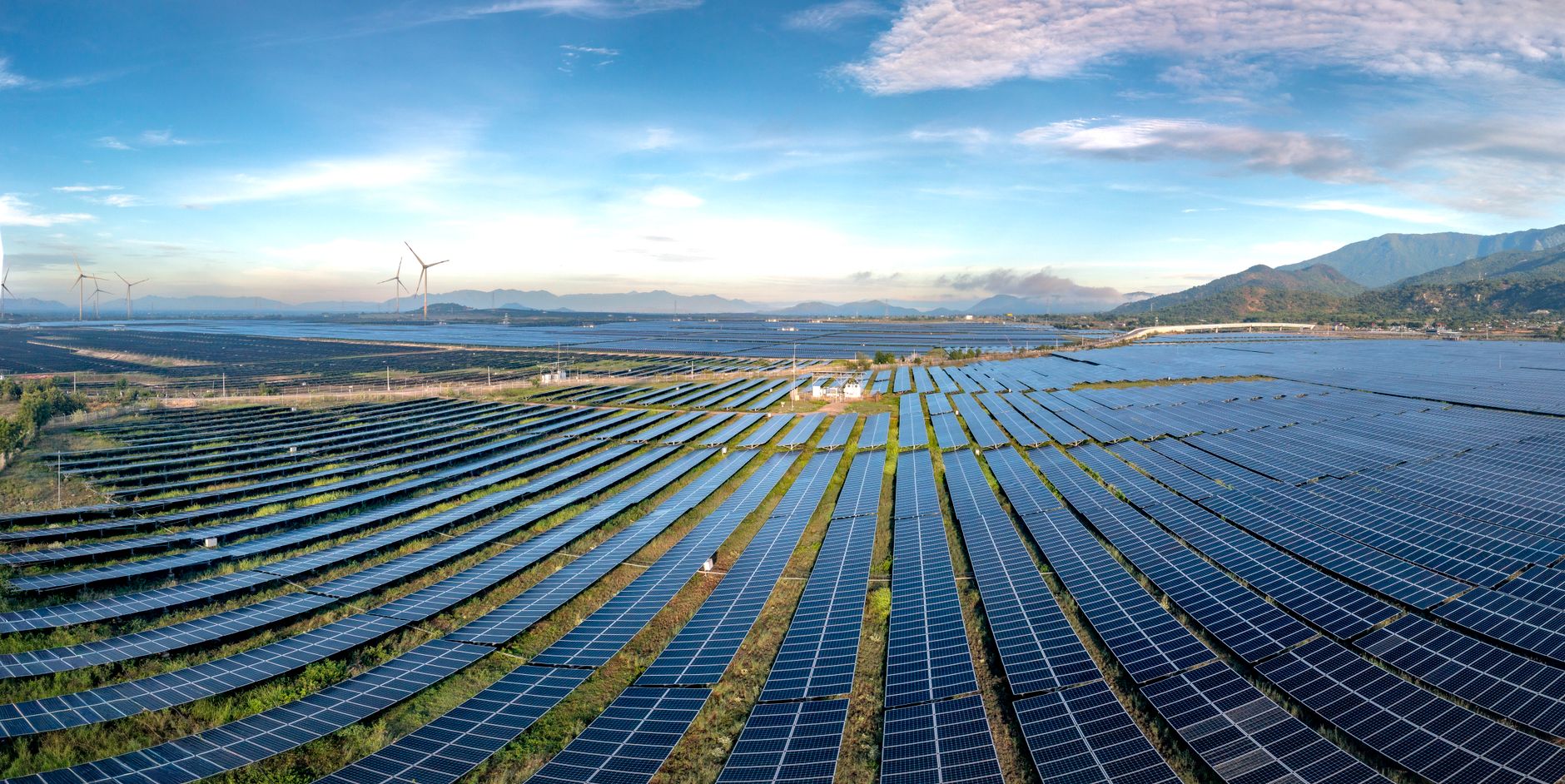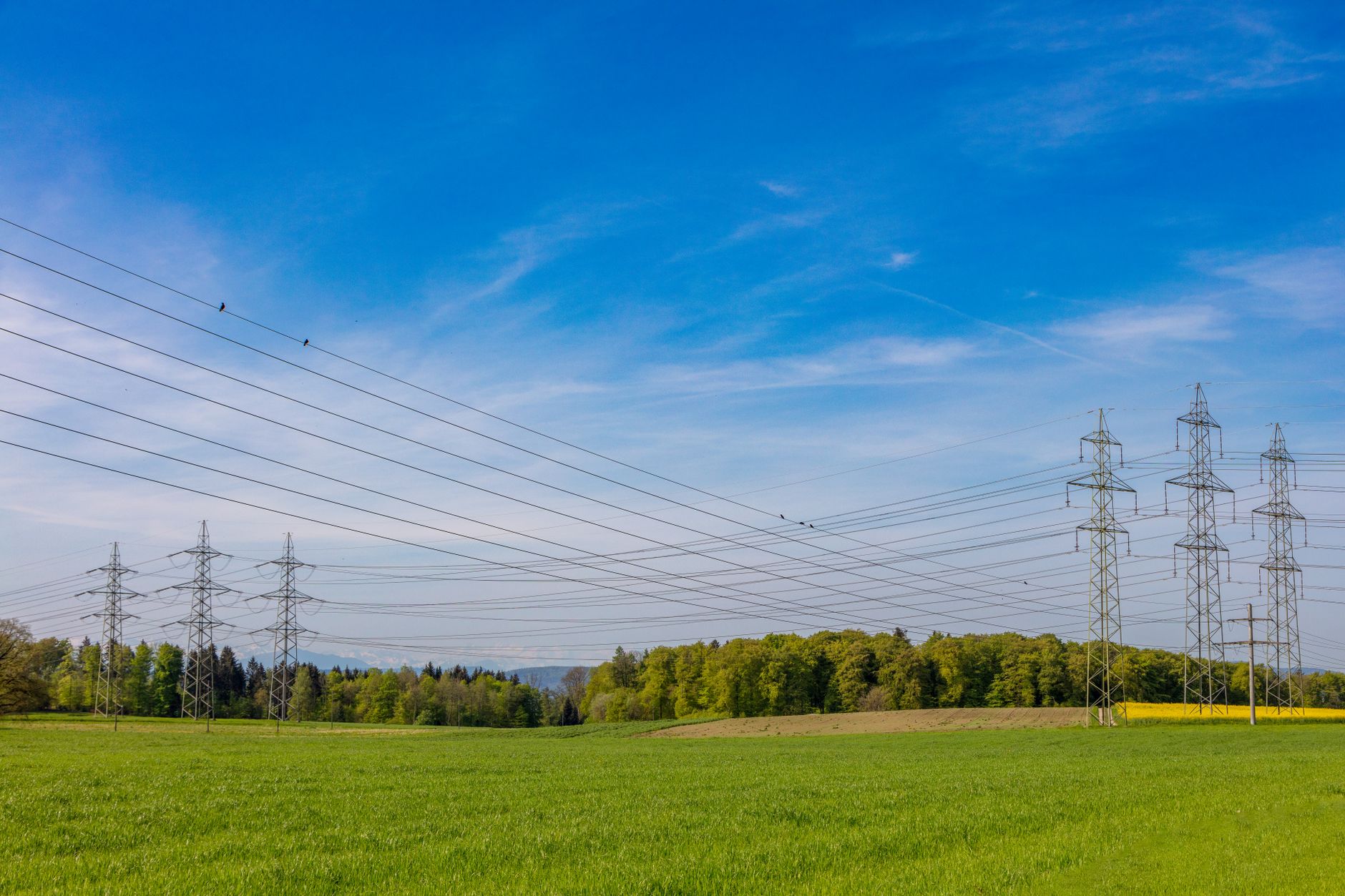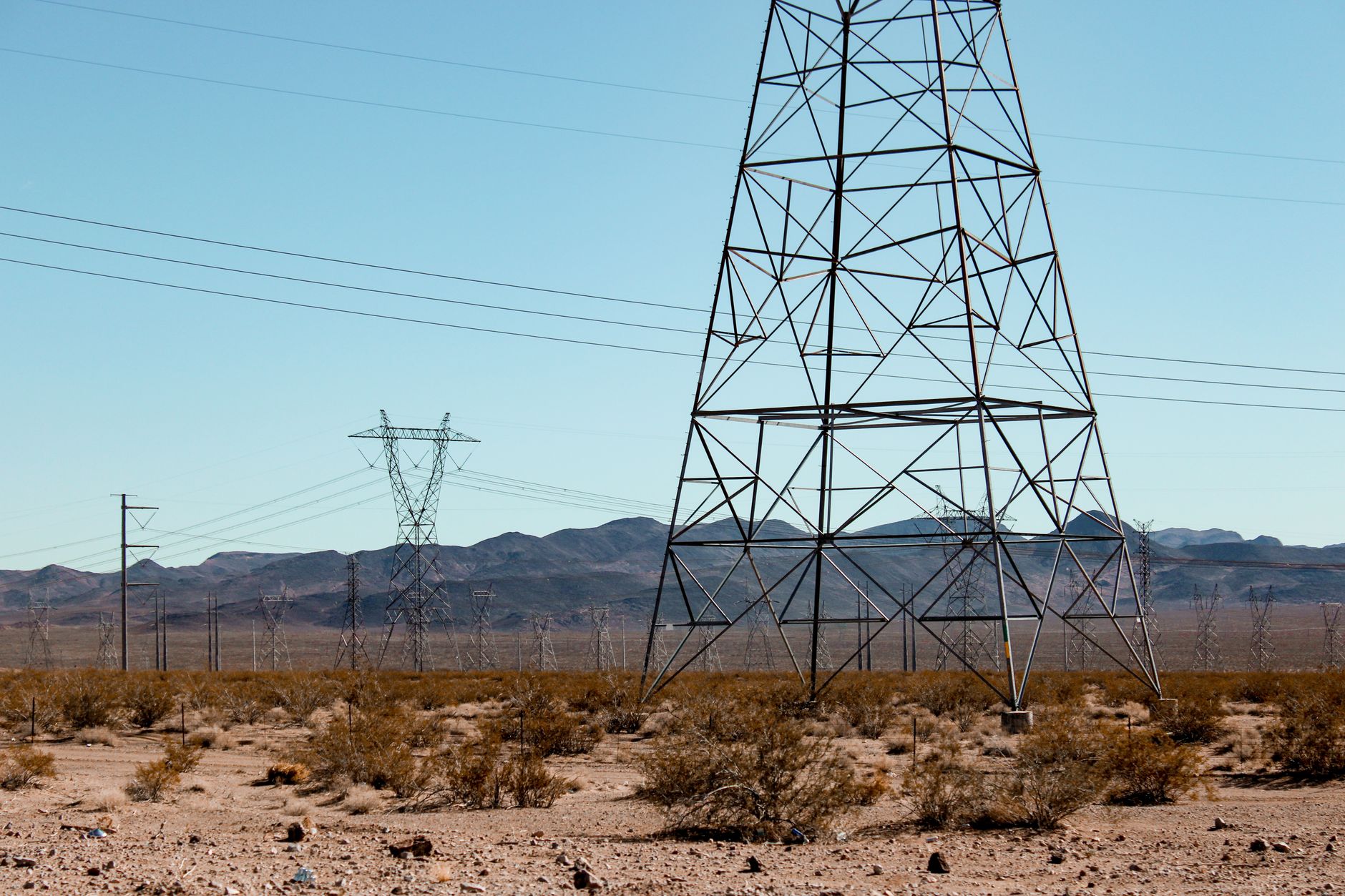
On many transmission networks, the operator’s picture of what is happening on the system is still assembled from measurements collected every few seconds. On large parts of the distribution grid, there is no real-time measurement at all. A utility often learns that a distribution transformer has been overloaded only when a customer reports a power quality problem or the unit fails. Those blind spots sit among the more stubborn grid modernization challenges, largely because they are problems of the measurement layer rather than of the equipment itself.
That gap between the physical grid and the information available about it is the starting point for grid modernization. It also explains why the term means more than replacing ageing equipment. Modernization involves adding sensing, communications, control and automation across networks originally designed to be passive. It is a coordinated physical and digital overhaul, not a sequence of isolated technology purchases.
The pressure behind that overhaul comes from several directions at once. Behind-the-meter solar has reversed power flows on feeders that were planned one-way. Electric vehicle charging, heat pumps and industrial loads are arriving faster than the hosting capacity of many circuits. At the same time, much of the installed equipment is approaching the end of its original design life. The International Energy Agency’s Electricity Grids and Secure Energy Transitions report frames this combination of ageing assets, new demand and decentralized generation as one of the sector’s central infrastructure challenges.
The rest of this article works through the pieces that make up that programme: the physical sensors and controllable assets, the digital systems that turn data into operational awareness, and the regulatory and workforce barriers that determine how quickly it all moves. None of these layers is independent. A sensor without a communication path adds little; a software platform without trained operators adds risk.
Why the Grid Was Not Designed for Today’s Power System
The electric power grid was built over most of the twentieth century around a relatively simple architecture. Large central stations were located near fuel sources, waterways or load centres. High-voltage transmission lines carried that power toward cities, where substations stepped it down to distribution voltages. Demand was predictable enough that operators could plan generation schedules a day ahead and adjust in near real time.
That architecture assumed one-way power flow, passive demand and rotating synchronous generators that provided the physical characteristics needed to keep the system stable. Protection schemes were designed around high fault currents supplied by those machines. Planning studies assumed power moved from transmission to distribution, never the other way.
Those assumptions no longer hold. Solar arrays installed behind customer meters inject power into distribution feeders that were never designed for reverse flow. Inverter-based resources behave differently from synchronous generators during faults. Electric vehicle charging, heat pumps and industrial data centres add concentrated new loads in places that may not have spare transformer or line capacity. The physical network itself is also ageing, with much of the installed equipment approaching or exceeding its original design life.
The 2003 Northeast blackout in North America was a turning point. The post-incident investigation found that a lack of real-time situational awareness across control areas contributed to cascading outages. A transmission line in Ohio sagged into a tree, and the event spread partly because operators in neighbouring systems could not see what was happening outside their own control rooms. That experience led to mandatory reliability standards and expanded investment in wide-area monitoring. It established a pattern that still shapes grid modernization priorities today: better sensing, better data exchange and better coordination across boundaries.
The Physical Layer: Substations, Sensors and Controllable Assets
Modernization begins with the physical equipment that senses and controls the flow of electricity. At the transmission level, this includes phasor measurement units, line sensors and advanced protection relays that can communicate over digital networks. At the distribution level, it includes monitors on feeders and transformers, smart meters at customer premises, and remote-controllable switches, reclosers, voltage regulators and capacitor banks. Together these are the building blocks of a digital grid, though the term covers more than the hardware.
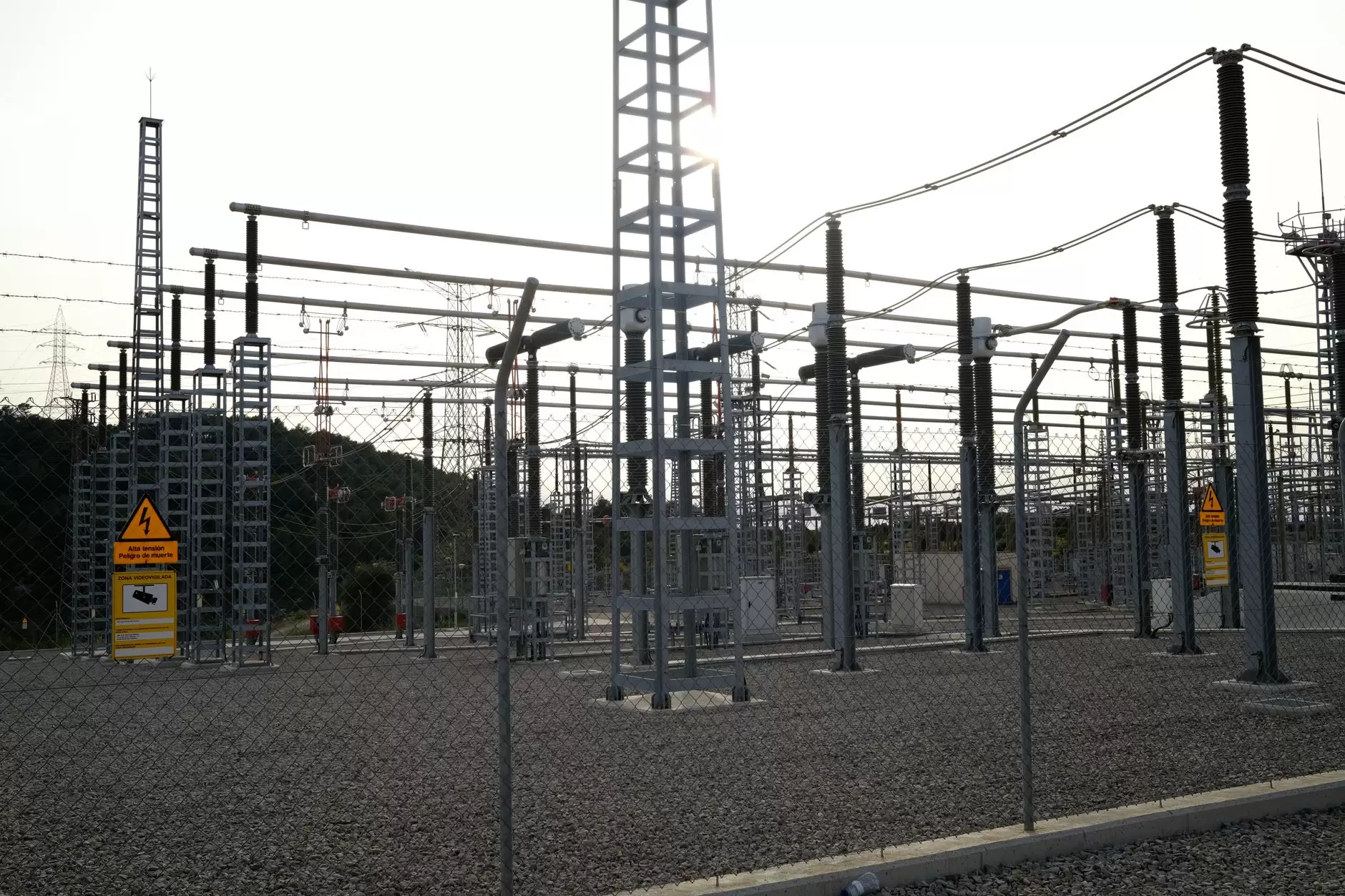
Digital substations sit at the centre of this physical upgrade. In a conventional substation, relays, meters and circuit breakers are connected by large quantities of copper control wiring. A digital substation replaces much of that copper with fibre optic Ethernet and standardized data models, typically based on IEC 61850. This reduces engineering time and makes it easier to add new functions, but it also shifts the failure mode. A broken wire becomes a software misconfiguration, and the skills required to troubleshoot the system change accordingly. Inside the digital substation, the protection and control environment is being rebuilt around network communication rather than hard-wired logic.
Power electronics add another layer of controllability. Flexible AC transmission systems, static synchronous compensators and high-voltage direct current links allow operators to manage voltage, reactive power and active power flow more precisely than conventional transformers and series capacitors. These devices are capital-intensive and require specialized maintenance, but they can help reconfigure a network around constraints that would otherwise require new lines.
The common thread across the physical layer is that assets are becoming visible and controllable in ways they were not before. A switch that once required a field crew to operate can now be opened or closed from a control room. A transformer that once ran without monitoring can now report temperature, loading and tap position. This visibility is the foundation of grid automation, but its value depends on the data reaching the right systems and people.
The Digital Layer: From SCADA to Situational Awareness and Automation
The conventional supervisory control and data acquisition system was built for a world of limited measurements. Remote terminal units at substations were polled at intervals of a few seconds, and operators used the resulting snapshots to monitor the transmission system. Distribution networks were largely invisible below the substation level. Load shapes were estimated from historical profiles rather than measured in real time.
Modernization changes that information architecture in several ways. Phasor measurement units take synchronized measurements at rates far higher than conventional SCADA scans, revealing system dynamics that were previously invisible. Wide-area monitoring systems use those measurements to detect oscillations, identify islanding conditions and validate dynamic models after disturbances. The result is a step change in how quickly operators can detect instability, but it also creates a data management challenge that many control rooms were not staffed or tooled to absorb.
At the distribution level, advanced distribution management systems integrate outage management, network analysis and distributed energy resource management into a single operational platform. Instead of treating solar inverters, batteries and electric vehicle chargers as passive loads, these systems can forecast their behaviour, dispatch them within technical limits and coordinate their response to network conditions. That coordination depends on common information models such as IEC 61968 and IEC 61970, which define how different software systems describe the network and exchange data. This is also the layer where digital twins become useful for simulation and optimization, allowing operators to test scenarios before applying them to a live network.
Communications infrastructure underpins everything. Utilities use a mix of private fibre, microwave, cellular and mesh networks, depending on geography and economics. Edge computing is increasingly used to process data close to the source, reducing latency and bandwidth requirements. But every new connected device also expands the attack surface, which is why cybersecurity in the digital grid has become inseparable from grid modernization rather than an afterthought bolted onto it.
Where the Real Barriers Sit: Cost Recovery, Regulation and Workforce
Cost recovery
Most grid modernization investment must pass through a regulatory process that weighs near-term customer costs against longer-term system benefits. The problem is that many modernization benefits are difficult to quantify or monetize in a traditional cost-of-service framework. Better situational awareness can prevent outages, but the avoided costs are probabilistic. Interoperability standards can reduce engineering time, but the savings accrue over many years and across different business units.
Utilities also face a structural tension. In jurisdictions where revenue is still tied to the volume of electricity sold, investments that enable distributed generation or energy efficiency can reduce the utility’s own revenue. Modernization asks regulated companies to spend capital in ways that may shrink their traditional revenue base. Until rate design and regulatory incentives catch up, some utilities remain cautious about pursuing the full range of what the technology makes possible.
Regulation
Legacy regulatory frameworks were built around capital projects with long depreciation lives. Much of grid modernization involves software, sensors and communications equipment that depreciate differently, or that are procured as subscription services rather than owned assets. Some regulators treat operating expenses less favourably than capital expenditures, which can discourage utilities from choosing cloud-based or software-heavy solutions even when they are technically attractive.
Interconnection rules and planning standards also lag behind the capabilities of modern inverters and storage systems. A distribution network may be able to host more solar if advanced inverter functions are enabled, but the interconnection queue and study process may not recognize those capabilities. Cybersecurity requirements add cost and delay, and they differ across jurisdictions, making it difficult to standardize equipment and procedures.
Workforce
The workforce barrier is often underestimated because it is less visible than a substation or a software platform. Installing sensors and automation does not create value unless people can interpret the data, maintain the devices and operate the new systems. Many utilities are running dual systems during the transition: older electromechanical relays remain in service alongside new digital devices, and the workforce must understand both.
A relay technician who can troubleshoot a four-decade-old electromechanical scheme may never have configured an IEC 61850 network. A communications engineer may never have seen a current transformer saturation curve. The industry needs people who cross those boundaries, but they are scarce. Training programmes, partnerships with technical colleges and knowledge transfer from retiring staff all become part of the modernization plan, not separate HR initiatives.
Where to Go Next
Grid modernization is less a single project than an ongoing re-architecture of how electricity networks are planned, operated and maintained. The physical layer makes assets visible and controllable. The digital layer turns that visibility into decisions. The regulatory and workforce layers determine how much of that potential reaches the field. One without the others produces stranded equipment and frustrated operators.
The sequence matters. Sensing comes first, then data infrastructure and interoperability, then higher-level analytics. An advanced algorithm cannot compensate for missing sensors, inconsistent data models or poor communication links. Artificial intelligence and machine learning are entering the grid operations conversation, particularly for forecasting, anomaly detection and control room decision support, but their value depends on the data foundation that modernization builds first.
If the equipment side is what brought you here, the article on digital substations covers what changes inside a protection and control environment. If the operational question is the more immediate concern, grid automation and digital twins explain how utilities are moving from reactive switching to coordinated control. The regulatory constraints outlined above remain the quieter bottleneck, and they often decide which of those technical options actually gets approved.
The utilities that treat modernization as a coordinated programme rather than a series of isolated deployments tend to get further, because they build the data foundation that every later application depends on. A substation upgrade, an automation layer and an analytics platform each deliver value on their own, but the returns compound when they share models, naming conventions and time synchronisation. Procured separately, the integration work lands later, on the operations team, and it is charged against the next project’s budget. That is why sequencing decisions carry as much weight as the technology choices themselves.
References
- IEA — Electricity Grids and Secure Energy Transitions (2023). Used for context on grid investment needs and the role of digitalization.
- IEC 61850 — Communication networks and systems for power utility automation. Used for digital substation data models and interoperability detail.
- IEEE C37.118 — Standard for Synchrophasor Measurements for Power Systems. Used for phasor measurement unit functionality and sampling characteristics.
- U.S.-Canada Power System Outage Task Force — Final Report on the August 14, 2003 Blackout. Used for historical detail on situational awareness and cascading failure.