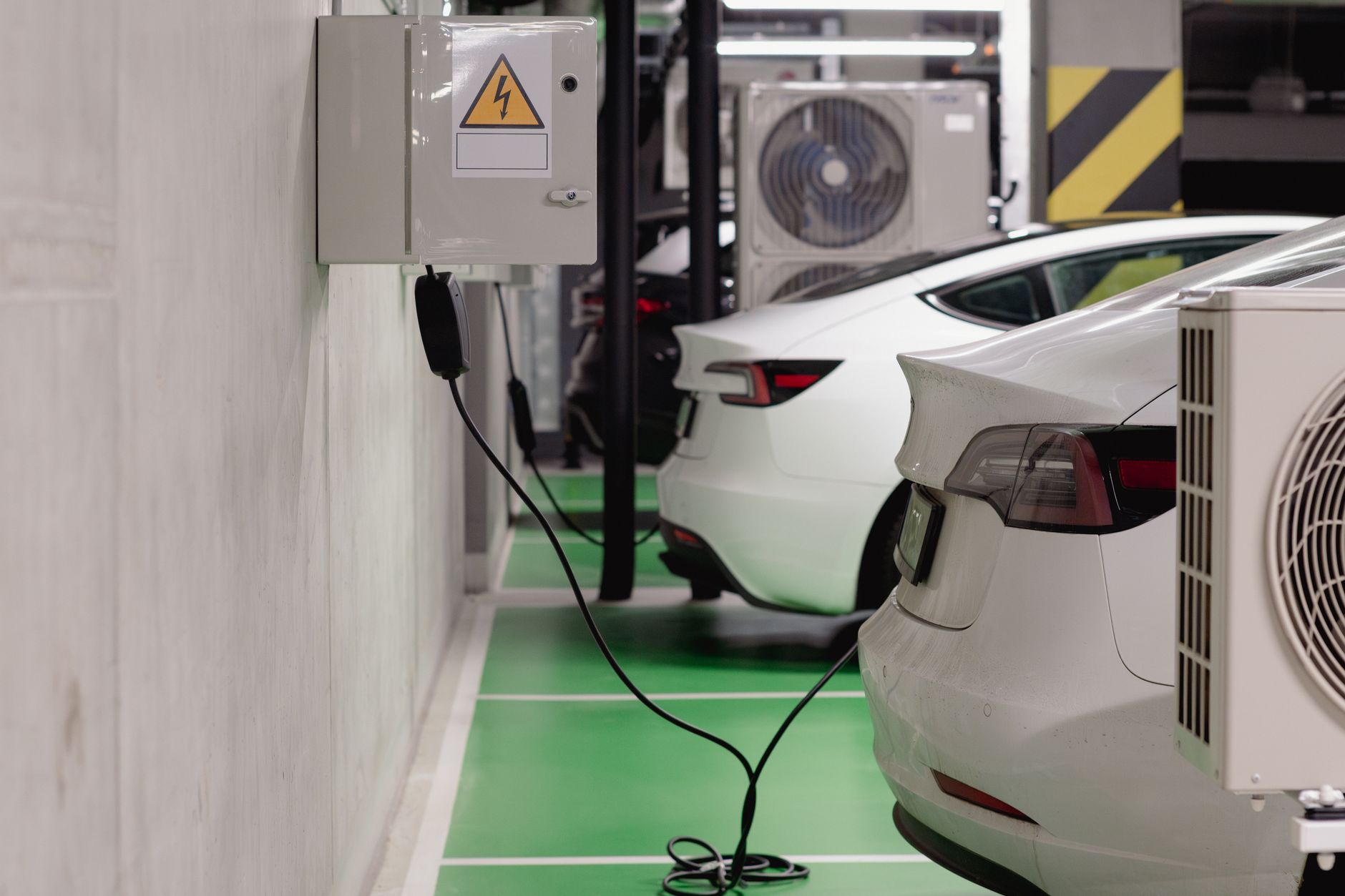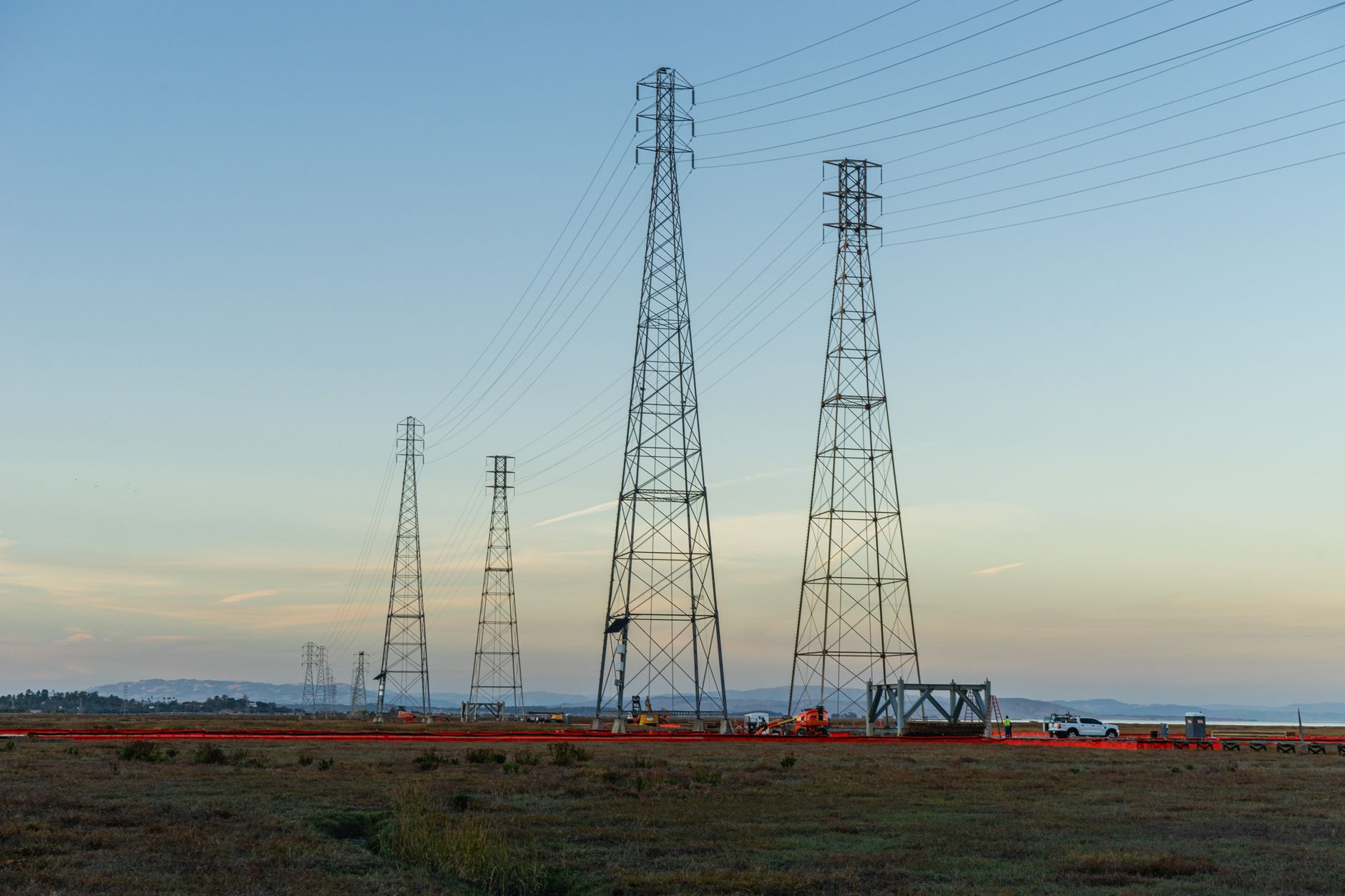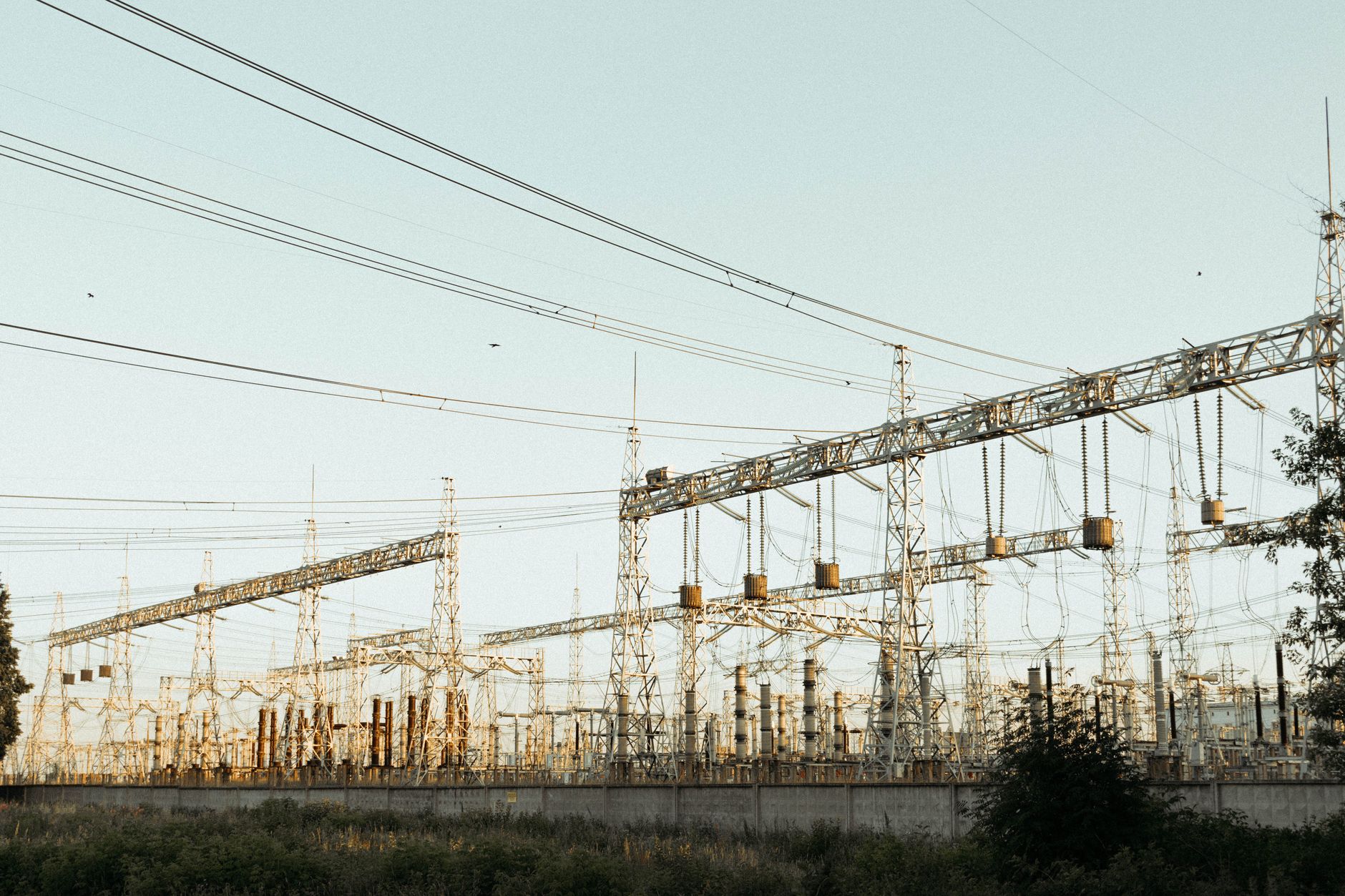
A distribution feeder no longer behaves like a passive chain of loads. Distributed generation, electric vehicles and behind-the-meter storage have turned parts of the network into active participants that a control room cannot fully observe. The digital grid is one response: an operational layer of sensors, communication networks and automation that extends visibility and control beyond the high-voltage substation.
The term smart grid architecture covers a broad set of technologies, but most of the practical work comes down to three building blocks. Sensors generate measurements. Communication networks move those measurements to the systems that need them. Automation applies rules to the measurements and acts. The architecture is less about any single device than about how the three layers fit together.
Why the Digital Grid Is Emerging Now
Transmission and distribution networks were originally designed around a small number of large, centralised generators feeding power in one direction. Operational visibility was concentrated at those plants and at major substations, while most of the network was treated as passive. That assumption no longer holds. Distributed energy resources and new load patterns create local voltage, congestion and protection challenges that centralised control rooms were not designed to manage.
The change is not simply a software upgrade. It is the practical response to an operating environment in which control actions must happen faster, across more points, and with less tolerance for manual intervention than the previous system required. Grid modernization is often discussed as a technology programme, but the more precise description is that it extends observability and control into parts of the network that were previously treated as fixed.
This explains why the components have moved from research pilots into utility capital programmes. The underlying operational problem is no longer theoretical; it appears in daily planning studies and outage reports. A utility that cannot observe a feeder’s voltage profile in near real time has limited ability to manage the growing share of inverter-based resources already connected to it.
Sensors: Measurement Before Control
Sensors are often the easiest building block to visualise, but their role is frequently misunderstood. A sensor does not make a decision. It produces a measurement. The value of that measurement depends on where it is placed, how often it is sampled, how accurately it is time-stamped and whether its data reaches a system that can act on it. A sensor without a communication path and an automated response is just an instrument reading.
The traditional grid already has sensors, but they are concentrated in high-voltage substations and serve protection and metering functions. What changes in a digital grid is the density and diversity of sensing. Utilities are deploying sensors on distribution feeders, at secondary substations and on transformers and reclosers. These devices measure current, voltage, temperature, power quality and asset condition, often at intervals far shorter than traditional SCADA polling cycles.
The engineering trade-off is not simply more data. Each additional sensor adds cost, communication load and data management complexity. A distribution feeder may have many nodes, but only some of those nodes create constraints that matter for operations. The discipline is to place sensing where it changes a decision: at points where voltage is likely to drift, where load is concentrated, or where a contingency could cascade. This is one reason smart meters are not a substitute for operational sensing; they operate at billing and settlement timescales rather than protection or control timescales.
Communication Networks: Timing, Redundancy and Standards
Communication is the layer that turns isolated measurements into an operational picture. Traditional telemetry relied on SCADA protocols designed for modest data rates and periodic polling. In many digital grid applications, that model is insufficient. For grid applications, deterministic delivery frequently matters more than raw bandwidth.
Protection and control functions typically require information to arrive within a predictable time window. A delayed message in a protection scheme is not just slow; it can be functionally equivalent to no message at all. This is why substation automation standards such as IEC 61850 define communication performance classes for functions like tripping and interlocking. The design assumption is that a protection signal must be delivered within a few milliseconds, depending on the scheme.
Redundancy is another requirement that separates grid communication from general enterprise networks. A loss of communication in an office network is inconvenient. In a substation automation system, it can remove the ability to clear a fault or coordinate protective devices. The engineering response includes redundant paths, failover mechanisms and network segmentation, all of which add cost and complexity compared with commercial IT infrastructure.
Different utilities make different choices here depending on existing assets and regulatory context. Some modernise substation networks around packet-based communication. Others retain serial or dedicated links for protection functions while carrying monitoring traffic over newer IP networks. This is not conservatism for its own sake; protection equipment and communication networks have different replacement cycles, and a utility may extend the life of an older relay while upgrading its telemetry path. The digital substation is where many of these choices become concrete, because it brings protection and monitoring onto shared infrastructure and forces the timing and redundancy questions into a single design.
Automation: From Local Relays to Distributed Schemes
Protection relays are a form of automation that operates with a reliability requirement far higher than most general-purpose computing systems. They must act on local measurements immediately because waiting for a control centre to assess a fault would allow damage to spread. This local-first principle clarifies a common misunderstanding about the digital grid: automation does not mean centralised software constantly directing every device. Much of the most consequential automation has long been embedded in relays and reclosers.
The change that comes with digitalisation is the extension of automated decision-making to functions that historically required human judgement. Voltage regulation, feeder reconfiguration, isolation of a faulted section and restoration of healthy sections can now be executed by distributed automation schemes. These schemes combine local sensing, peer-to-peer communication and pre-approved logic to act without waiting for operator confirmation.
This raises an operational question. An automated scheme is only as good as the conditions under which it was designed to act. If grid conditions change faster than the logic is updated, automation can make a difficult situation worse. The industry is therefore careful about the difference between automating well-understood, rule-based actions and attempting to automate decisions that still require operator discretion. The distinction matters for the design of grid automation, where self-healing schemes can reduce outage duration but also transfer risk to the assumptions embedded in the restoration logic.
The Data Integration Problem
A persistent implementation challenge is often not sensors or communications, but organising data so it can be acted on. A utility can install many sensors and find that the data remains trapped in separate vendor systems, stored in incompatible formats and never reaching the applications that would use it. The result is additional cost without additional operational capability.
This is why data architecture has become part of grid planning rather than an IT afterthought. Digital substations produce time-series measurements, event records, asset health indicators and configuration data. Those data types serve different functions. Protection engineers need event records. Operations staff need real-time measurements. Asset managers need condition trends. A data model that cannot serve these different consumers reduces the value of every sensor.
Interoperability is not only a technical issue. Vendors have commercial incentives to provide proprietary interfaces. Utilities have legacy systems that were never designed to exchange data at scale. Standards help, but standards do not resolve every integration question. The practical work of mapping data between systems, resolving timestamp inconsistencies and maintaining a single source of truth often consumes more engineering effort than the initial device installation.
What Happens Next
The direction of travel is toward more distributed monitoring, faster control actions and greater reliance on automated schemes. That does not imply a simple replacement of human operators. The change is one of emphasis rather than headcount: routine switching actions pass to automated schemes, while exception management, alarm interpretation and maintenance of the logic those schemes depend on absorb a growing share of operational attention.
For utilities, the near-term decisions are less about choosing a single vendor platform and more about establishing the architectural patterns that allow sensors, communications and automation to be added incrementally. The organisations that do this well are often those that treat digitalisation as an operational capability rather than a project with a fixed endpoint.
Several remaining questions deserve attention. How should utilities fund communication infrastructure when its benefits are distributed across multiple departments? Which automation functions can be standardised safely, and which must remain under operator control? How should regulators treat the cyber and physical security implications of more connected devices? The last question is not peripheral; each new sensor and automated scheme adds an entry point, and cybersecurity in the digital grid has to be designed into the architecture rather than bolted on after deployment. How these questions are answered carries as much weight in shaping the pace and pattern of deployment as the choice of any individual technology.
A sensor without a reliable communication path is limited. A communication network without automated recipients is an expensive data pipe. Automation without accurate measurement is dangerous. The digital grid emerges when the three layers are designed together, and the hard part is often the integration work between them.
References
- IEEE 1547-2018 — Standard for Interconnection and Interoperability of Distributed Energy Resources with Associated Electric Power Systems Interfaces. Used to frame the operational challenges created by inverter-based resources.
- IEC 61850 — Communication networks and systems for power utility automation. Used for performance classes and deterministic delivery requirements in substation automation.
- CIGRE Working Group D2.35 — Telecommunication networks for protection and control. Used for redundancy and deterministic delivery in protection schemes.