For India’s electricity sector, the binding constraint is not how much generating capacity is available, but how quickly and how far the network can move and absorb power. Generation is being added faster than the transmission system and the institutions that operate it can reliably absorb and dispatch it. But this is not a single national bottleneck. India faces several constraints at once — distribution losses, state utility finances, generation adequacy, fuel logistics, transfer capacity and system flexibility — and they interact in ways that can make abundant generation coexist with local shortages.
Three distinct questions sit under this picture. The first is generation adequacy: is enough electricity being produced, including during evening peaks? The second is transfer capacity: can power move from resource-rich regions to load centres when and where it is needed? The third is system flexibility: can the grid balance supply and demand as renewable output changes? These questions are related, but solving one does not automatically solve the others. The rest of this article follows that separation.
The Demand and Supply Collision
India’s load profile makes renewable integration harder than headline capacity additions suggest. Electricity demand peaks in the evening, after solar output has fallen. Air-conditioning load strengthens afternoon consumption, but the system peak still arrives when households and commercial buildings use lighting and cooling together. This means each new tranche of solar capacity adds useful energy during the middle of the day without directly reducing the need for capacity that can serve the evening peak.
Wind output is more variable and is often strongest during the monsoon months in specific states. The combination of solar and wind can create large swings in available generation over a single day. Grid operators must therefore balance a system with a growing share of generation that cannot be dispatched in the same way as coal plants, while demand continues to climb at one of the fastest rates among major economies.
Coal remains India’s dominant source of generation and an important source of dispatchable capacity, particularly during the evening peak. Coal plants are not inherently flexible resources, and asking them to ramp more often and more steeply than their design envelopes affects efficiency and maintenance schedules. India’s transition therefore involves two simultaneous challenges: adding renewable capacity fast enough to meet demand growth, and retaining enough dispatchable capacity for the periods when renewable output is low.
India shares these pressures with the wider Asia-Pacific energy transition, where demand growth and legacy thermal systems create similar tensions. What distinguishes the Indian case is the scale of the network and the balance sheets that sit behind it. The system spans many state jurisdictions rather than a single national one, so congestion, losses and investment decisions accumulate locally. Distribution utilities carry the financial consequences of subsidised tariffs, high technical and commercial losses, and delays in paying generators. Those conditions influence how quickly renewable capacity is contracted, how reliably it is paid for, and how much capital states can commit to the grid works that new generation requires.
Why Grid Absorption Lags Behind Generation Capacity
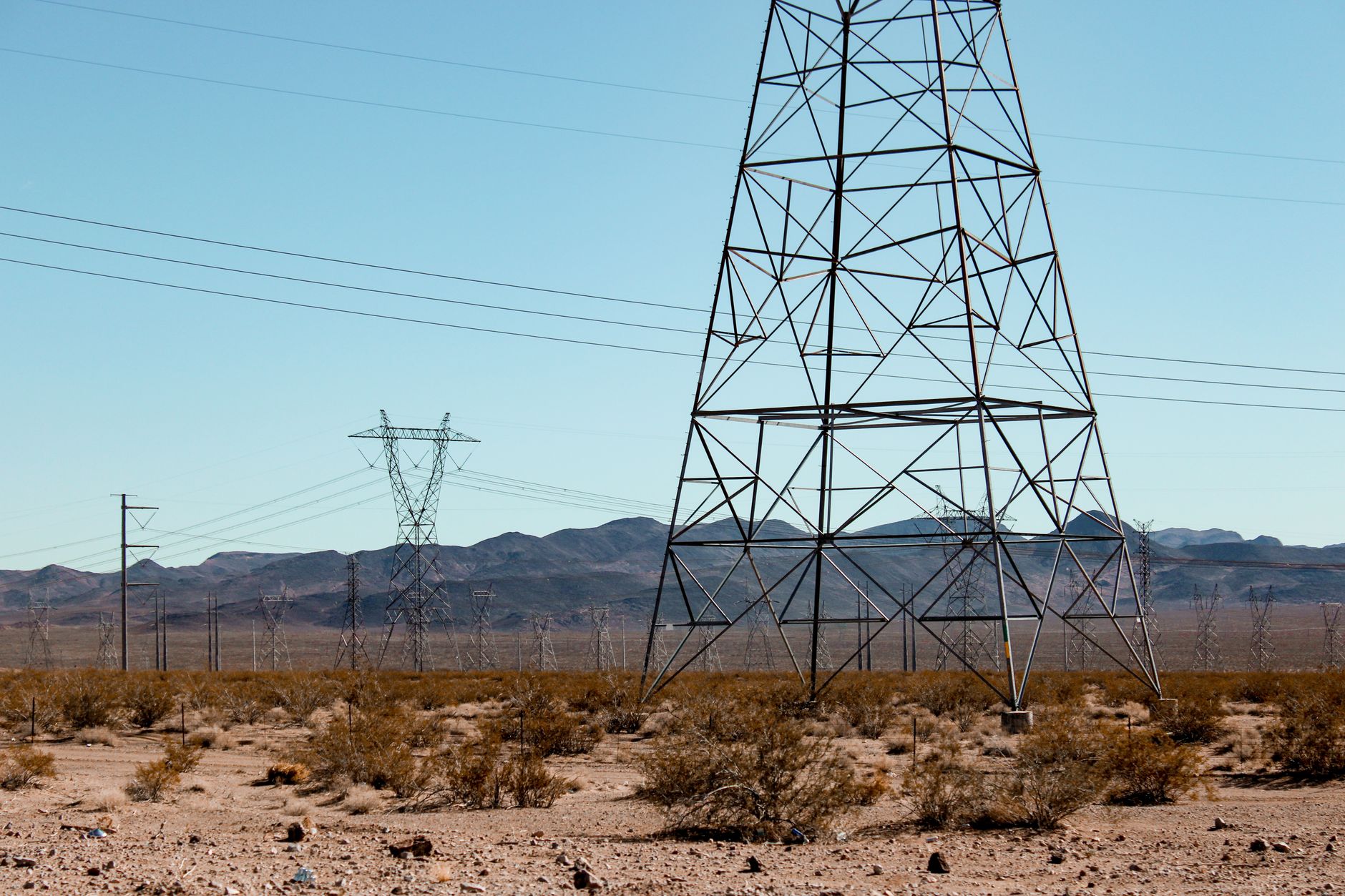
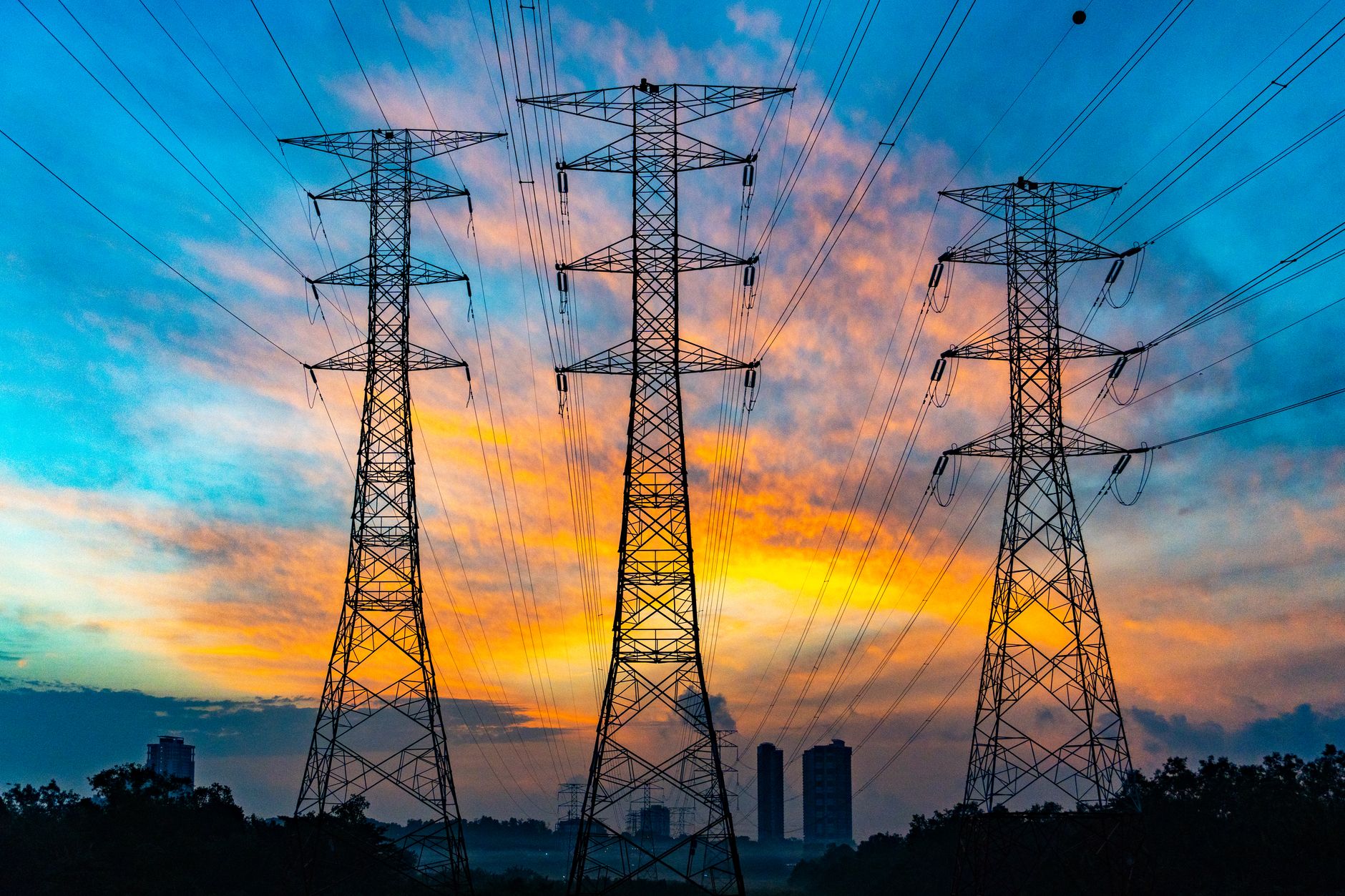
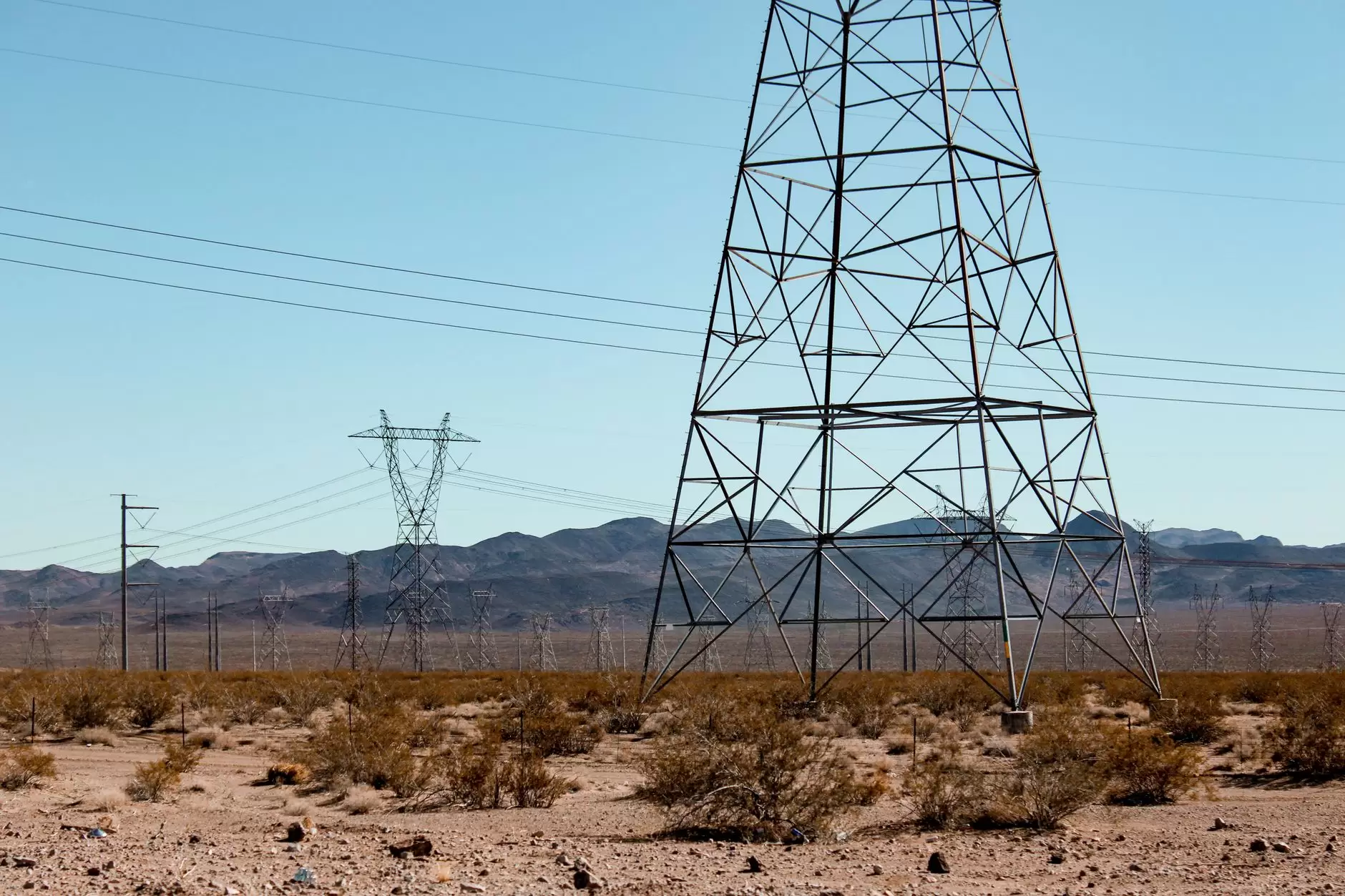
A key constraint is physical. Some of India’s best solar and wind sites are in resource-rich states, often in the west and south, while demand is distributed across the west, south and north. Existing transmission corridors were developed around coal generation, often located closer to mines and load centres. They were not always designed for the long-distance or reverse flows that a renewable-heavy system now requires. As a result, renewable projects in resource-rich areas can be curtailed when the available corridors are congested, even when demand elsewhere remains unmet.
Curtailment can become most acute during periods of strong midday output, when local transmission constraints coincide with generation exceeding what the network can absorb. This reflects local congestion rather than a national energy surplus. At the same time, evening peak demand can force system operators to retain coal or hydro capacity that might otherwise have run less if more solar energy had been absorbed earlier in the day.
Forecasting and scheduling add another layer. India has improved renewable forecasting, but deviations between scheduled and actual output remain part of normal operations. Under CERC’s deviation settlement framework, deviations from scheduled generation are financially settled, with specific provisions applying to wind and solar generators. This shifts part of the cost of uncertainty onto developers, even when the underlying solar or wind resource is predictable. When transmission corridors are already tight, the need to hold reserves for these deviations further limits how much renewable output can be absorbed without risking grid stability.
Planning Cycles and the Institutional Gap
Physical limits are only part of the story. Transmission planning in India has historically moved on different timelines from renewable project development. Solar and wind plants can often be permitted and built more quickly, while high-voltage corridors require land acquisition, right-of-way approvals, forest clearances and coordinated investment across central and state utilities. The planning cycle for a major inter-state line is measured in years, which leaves a structural lag even when the need for a corridor is well understood.
The Central Transmission Utility and Grid-India coordinate interstate transmission planning and dispatch, while state utilities own and operate many intra-state networks. The interface between these layers matters because renewable output that reaches a state boundary still has to be absorbed by the local network. Coordination problems can show up as congestion at specific substations, even when the wider interstate corridor has spare capacity.
This institutional layer interacts with discom finances. A state utility under financial stress may delay payments, avoid new contracts or postpone network upgrades, all of which feed back into curtailment and project risk. Grid absorption in India is therefore not simply a function of adding more circuit kilometres; it reflects planning institutions, state utility balance sheets and market settlement rules. India’s scheduling and settlement arrangements are more centralised in design than the provincial spot pilots emerging in China’s power market reforms, but both face the problem of aligning dispatch rules with rapid renewable growth.
The Commercial Fallout of a Constrained Network
Transmission limits do not remain an engineering issue; they quickly become a commercial one. Renewable developers in states where curtailment risk is high face lower capacity factors and uncertain revenue. Project lenders price that risk, and tariffs can rise even when the underlying solar or wind resource is excellent. In some cases, developers have favoured states with better payment records and grid access over states with the best resources.
The financial health of state distribution companies, known as discoms, compounds the problem. Accumulated losses, weak payment discipline and the ability to procure power economically shape how much new capacity the system can absorb. Even when long-term purchase agreements exist, curtailment and payment delays create additional risk for generators. The renewable build-out therefore depends on the financial condition of state utilities as much as on resource quality or technology costs.
This creates a mismatch between where renewable capacity is added and where it can be used. Some regions with high demand have poorer renewable resources or weaker state utility finances, while resource-rich states struggle to move output to distant buyers. The consequence is not a shortage of investment appetite, but a more selective and sometimes more expensive deployment path than resource maps alone would suggest.
What to Watch as India Works Through the Bottleneck
Three developments are shaping the next phase. First, transmission planning is moving from reactive network reinforcement toward anticipatory corridors designed specifically for renewable pools. Whether these corridors are built on time and matched to generation capacity depends on coordination between central and state agencies. Second, battery storage is entering the system primarily as a source of evening ramping and renewable absorption, rather than as a standalone replacement for thermal capacity. Third, time-of-day tariffs and demand-side measures are being tested to shift some load away from the evening peak.
At the state level, reforms aimed at improving discom payment discipline and reducing distribution losses remain uneven. The pace at which these reforms proceed directly affects the cost of capital for renewable projects and the willingness of developers to build in particular states. Where payment risk is lower, projects tend to move faster even when grid access is still being expanded.
India’s experience illustrates that the transition involves the physical network, market settlement and state-level institutional capacity alongside generation additions. Readers following the wider region see the same question in different forms: whether grid integration can keep pace with the speed of renewable procurement and demand growth. The same pattern appears across the Asia-Pacific energy transition, where generation additions and network planning do not always move on the same timetable.
The direction of travel is toward more storage, more interregional transmission and more demand flexibility, but none of those solutions removes the underlying mismatch overnight. The main variables to monitor are the speed of transmission construction, the financial condition of state utilities and the operational rules that determine how renewable output is scheduled and curtailed.
References
- CEA — National Electricity Plan: generation and transmission planning context.
- CERC — Indian Electricity Grid Code and deviation settlement mechanism.
- CTUIL / Grid-India — transmission planning and dispatch/curtailment data.
- MNRE — renewable capacity addition reports and targets.
- IEA — World Energy Outlook 2025: macro demand and grid-integration trends.
- IEA — Electricity 2025: demand growth and grid integration challenges in emerging markets.