The Pipeline on Paper
The Singapore clean energy imports programme rests on 13 conditional approvals granted by the Ministry of Energy, Trade and Industry, totalling 9.25 gigawatts and sourced from Australia, Cambodia, Indonesia, Malaysia and Vietnam. Six of the Indonesian projects have since moved from that approval stage to conditional licences, a distinct and later status; the rest remain at the approval stage. Wood Mackenzie analysis put none of the projects holding either status at financial close or under construction as of August 2026. The programme sits within the wider regional effort tracked in ASEAN Power Grid: Where Are We Now?, and an approval and a working power flow are separated by financing, offtake, transmission and verification.
Wood Mackenzie forecast that imports would supply only 15 per cent of Singapore’s generation mix by 2035, about half of the Energy Market Authority’s one-third target. The approved 9.25 gigawatts is best read as a pipeline of development options rather than a near-term supply forecast. The practical question is which projects can complete the full sequence from approval to operation. Each one requires a financing package, a buyer, a transmission route and a verification chain. A project that cannot close all four remains a line in a government register.
What an Approval Secures
A conditional approval records that a project meets the initial criteria of Singapore’s low-carbon import regime. It does not itself grant a customer, a loan or a physical path into the country. The developers still have to obtain approvals in the relevant jurisdictions, sign offtake agreements, arrange financing and complete project milestones before they can reach financial close. That sequence is the practical expression of the constraints examined in Overcoming the Barriers to Cross-Border Power Trading.
Financial close is the point at which lenders commit funds, with drawdown typically subject to conditions precedent. Construction follows only once those conditions, along with the outstanding permits and contracts, are satisfied, and the two events are rarely simultaneous. For cross-border projects, financial close sits behind every other gating item. Equity investors may accept development risk, but debt providers usually require certainty about revenue, permits and interconnection before they release funds. The four workstreams are rarely resolved in isolation, and progress on one front often depends on evidence that the others are already under control.
Singapore’s import-approval process has distinct stages. Six of the Indonesian projects have advanced to conditional licences, according to the Ministry of Energy, Trade and Industry. A conditional licence is a further step along the approval path, but it still sits before the financing, offtake and transmission gates close. A licence of that kind does not by itself establish when electricity can begin to flow.
Financing and Offtake
Financing comes first in the developer’s sequence because cross-border electricity imports are capital-intensive, and project debt runs for decades. A lender is being asked to accept repayment from a project whose revenue depends on an export permit, a cross-border link and a buyer in another country. That stack of dependencies places a premium on the offtake contract: a power purchase agreement anchored to a price that survives fuel and carbon-market volatility gives lenders a predictable cash flow to model. Without that anchor, the debt package rarely moves forward.
The offtake contract matters because the buyer carries volume and price risk for the life of the agreement. In these import schemes, the buyer sits in Singapore, while the generator, the fuel supply and the carbon-intensity profile sit overseas. A workable contract must reconcile those two regulatory worlds. Where the buyer is a utility or a large corporate, the credit quality of that counterparty becomes the foundation for the entire financing. The requirement to sign power purchase agreements before financial close reflects this practical sequence.
The allocation of volume and price risk is often the hardest part of these negotiations. A buyer in Singapore may seek flexibility to adjust purchases as domestic demand shifts, while a lender wants fixed or floor revenue for the debt term. Those tensions are ordinary in project finance, but they are amplified when the counterparties sit in different jurisdictions with different market rules. The result is that an import project’s offtake contract tends to become the document that ties the other workstreams together.
Transmission and the Corridor Split
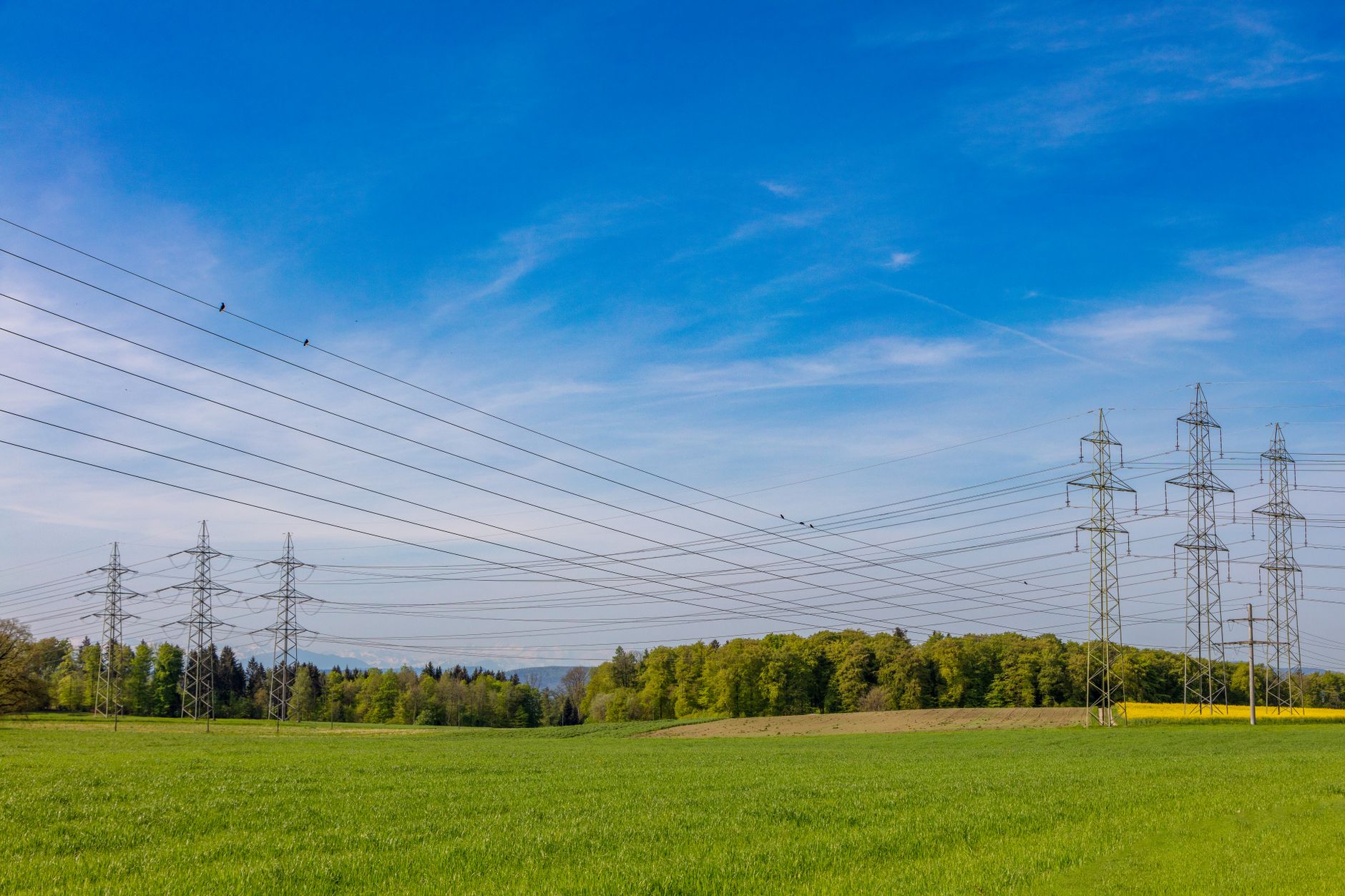
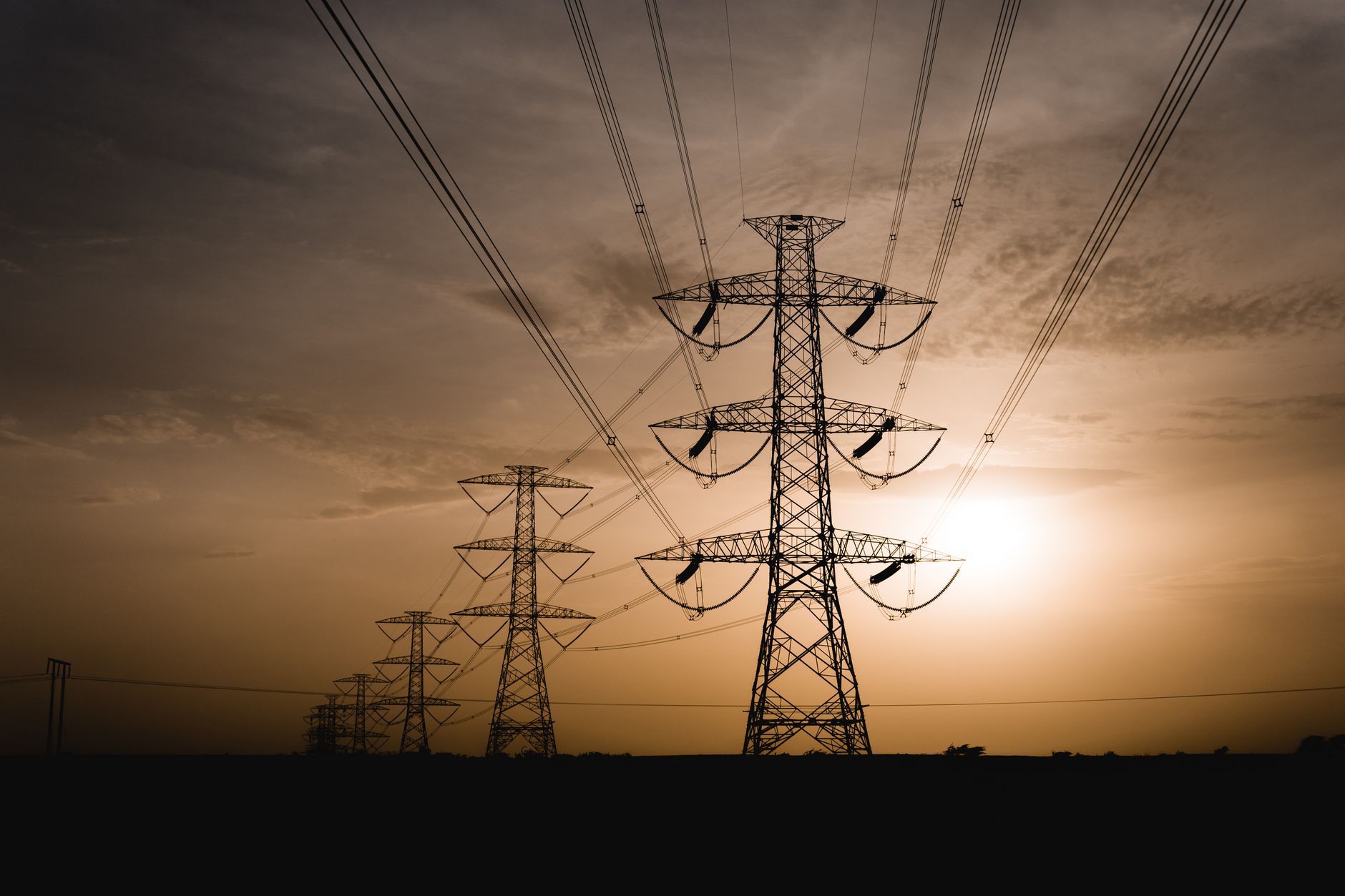
The next constraint is physical. Except where an existing interconnection already exists, the project must build or secure a transmission route across a border. That route requires an asset owner and a host-country authority willing to grant the rights. Wood Mackenzie assessed Malaysia as the only corridor with a credible delivery path this decade, pointing to an existing high-voltage direct current interconnector that already provides up to 1 gigawatt of bidirectional capacity with Singapore. That infrastructure sits at the centre of the discussion in The Physical Layer: Submarine Cables and Cross-Border Interconnectors in Southeast Asia.
The Johor corridor shows the exception. Conditional approval was granted to Sembcorp Utilities for a proposed capacity of 300 megawatts, and to Southern Solar Alliance, a subsidiary of Malaysia’s Ditrolic Energy Holdings, for 600 megawatts, according to The Vibes, and both companies are targeting commercial operations from around 2029. Together they total 900 megawatts, which fits within the up to 1 gigawatt of existing bidirectional capacity cited by Wood Mackenzie. That gives the two Johor approvals a head start the other corridors do not share.
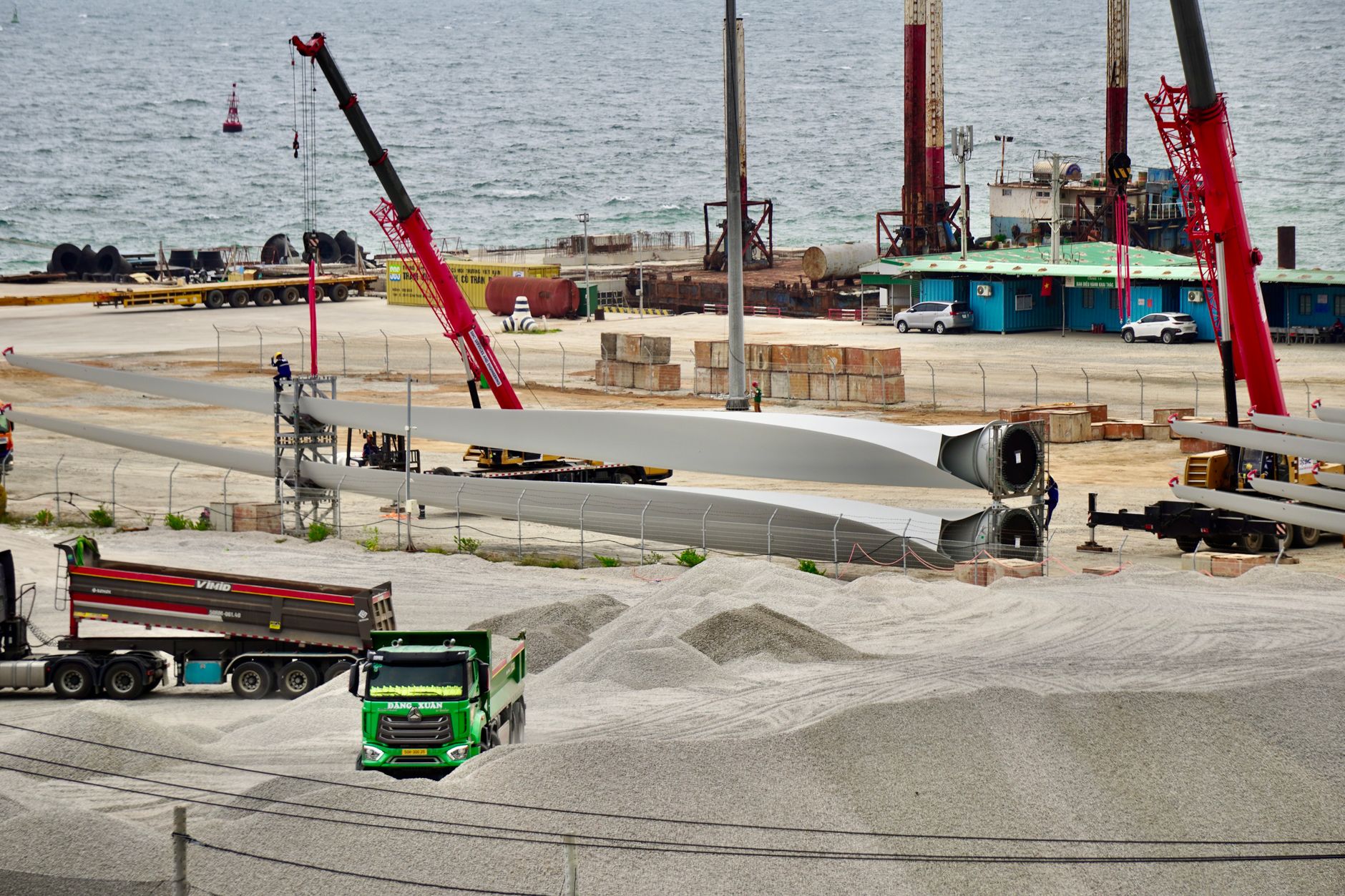
Wood Mackenzie said Vietnam, Cambodia and Australia account for 43 per cent of the approved pipeline but remain at the conditional approval stage with no visible construction timeline. The Indonesian, Vietnamese, Cambodian and Australian projects each depend on new subsea or overland transmission that must be planned, permitted, financed and built. That work cannot be compressed by a Singapore approval. The technical rules for cross-border flow are covered in Harmonizing Grid Codes in ASEAN.
Export Permits and the Verification Chain
Export permits add a layer of host-country control: they are time-limited and can be revisited when domestic supply tightens. That feature sits awkwardly against project debt that runs for decades, because a lender needs the permit to remain in place long enough to repay the loan. The ability of a host government to revisit the permit as domestic conditions change introduces a risk that no power purchase agreement can remove. Developers tend to treat the permit question as a political risk rather than a routine licensing step.
Wood Mackenzie identified Indonesia’s export permit requirements as undermining the long-term project financing needed to reach final investment decisions. That finding illustrates how a host-country permission can delay a project even when the Singapore side of the approval is settled. On the buying side, projects require a certificate framework so Singapore buyers can claim the carbon benefits of imported low-carbon electricity. That framework is still under development, according to Singapore Business Review. The acceptance question is part of the market-design work covered in Toward a Multilateral ASEAN Electricity Market.
Certificates do not change the physical flow; they give the buyer a way to evidence the low-carbon attribute of a specific volume. Across a border, that evidence depends on recognition rules in both the exporting country and Singapore. Until those rules are settled, each negotiation has to address how a certificate issued overseas will be treated. That makes the verification question part of the commercial negotiation, not merely a compliance detail.
The Slowest Item Sets the Pace
The approvals are best understood as development options, each tied to a corridor where one of the four constraints binds in practice. In Johor, the path exists, but financing, offtake and permits still have to close before the 2029 target becomes real. In the other corridors, new transmission is the long pole. Export permits can be revisited as domestic conditions change, and certificate recognition rules are still being settled. The pace of each project depends on whichever of those four items moves slowest in that corridor.
The same logic applies across the 9.25 gigawatts of approved capacity. A developer reaches financial close only when every gating item is secured. The next observable milestone is whether the Johor pair converts its head start into committed debt and signed offtake agreements, while the other corridors depend on transmission rights and host-country clearances being settled before they can progress. For planners and investors tracking Singapore’s import programme, the sequence of financial closes matters more than the headline approved volume.
References
- Ministry of Energy, Trade and Industry (Singapore) — Low-carbon electricity import page: conditional approvals, 9.25 GW pipeline, six Indonesian conditional licences.
- Wood Mackenzie — Singapore’s 9.25 GW low-carbon electricity import pipeline outlook, press release: financial close status, Malaysia corridor assessment, 2035 import forecast, corridor pipeline share, Indonesia export permit findings.
- The Vibes — Singapore approves Malaysia solar power import projects totalling 900MW: Sembcorp Utilities 300 MW, Southern Solar Alliance 600 MW, 2029 commercial operation targets.
- Singapore Business Review — Singapore’s 9.25 GW import approvals yet to break ground: certificate framework under development.