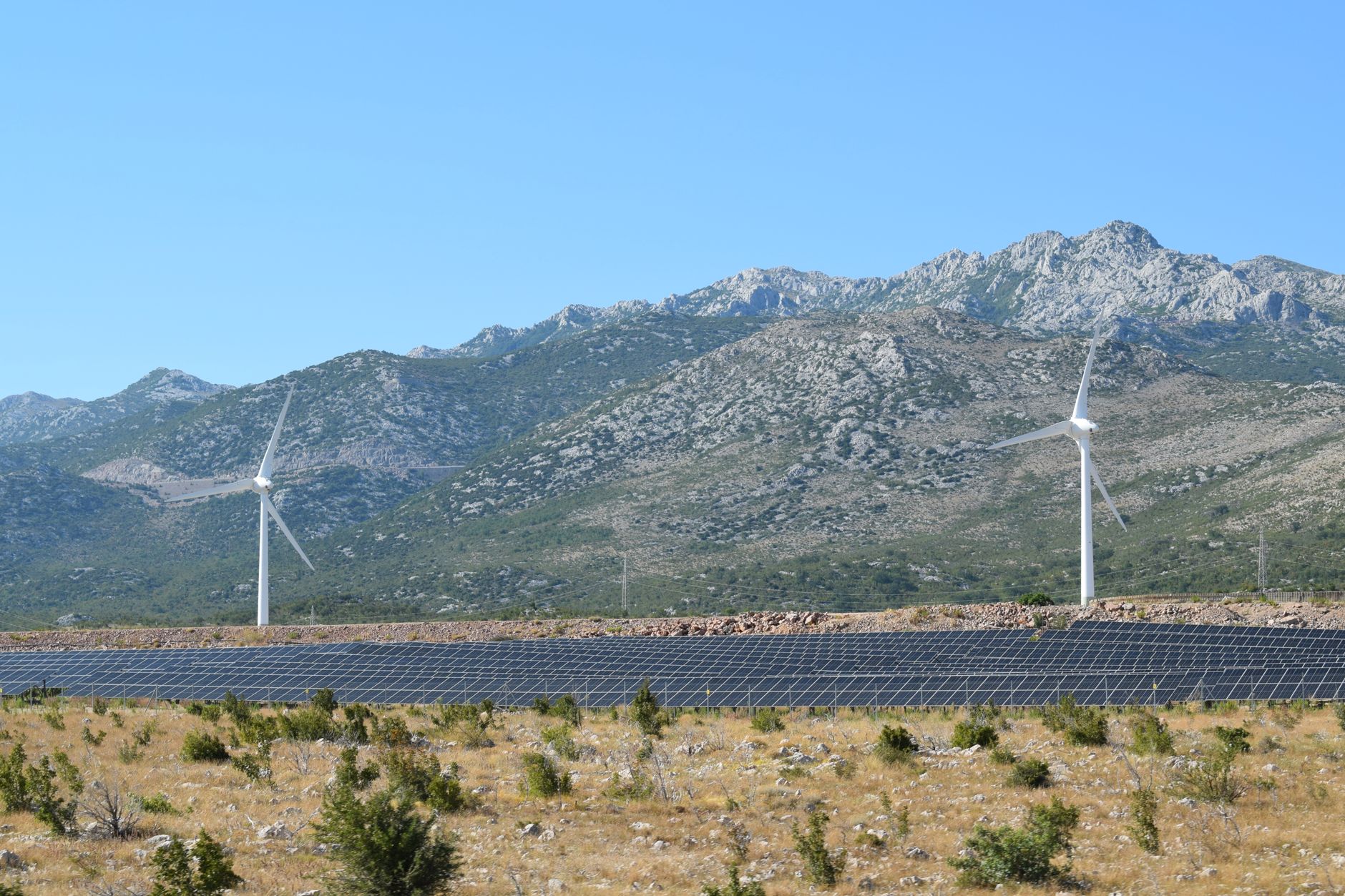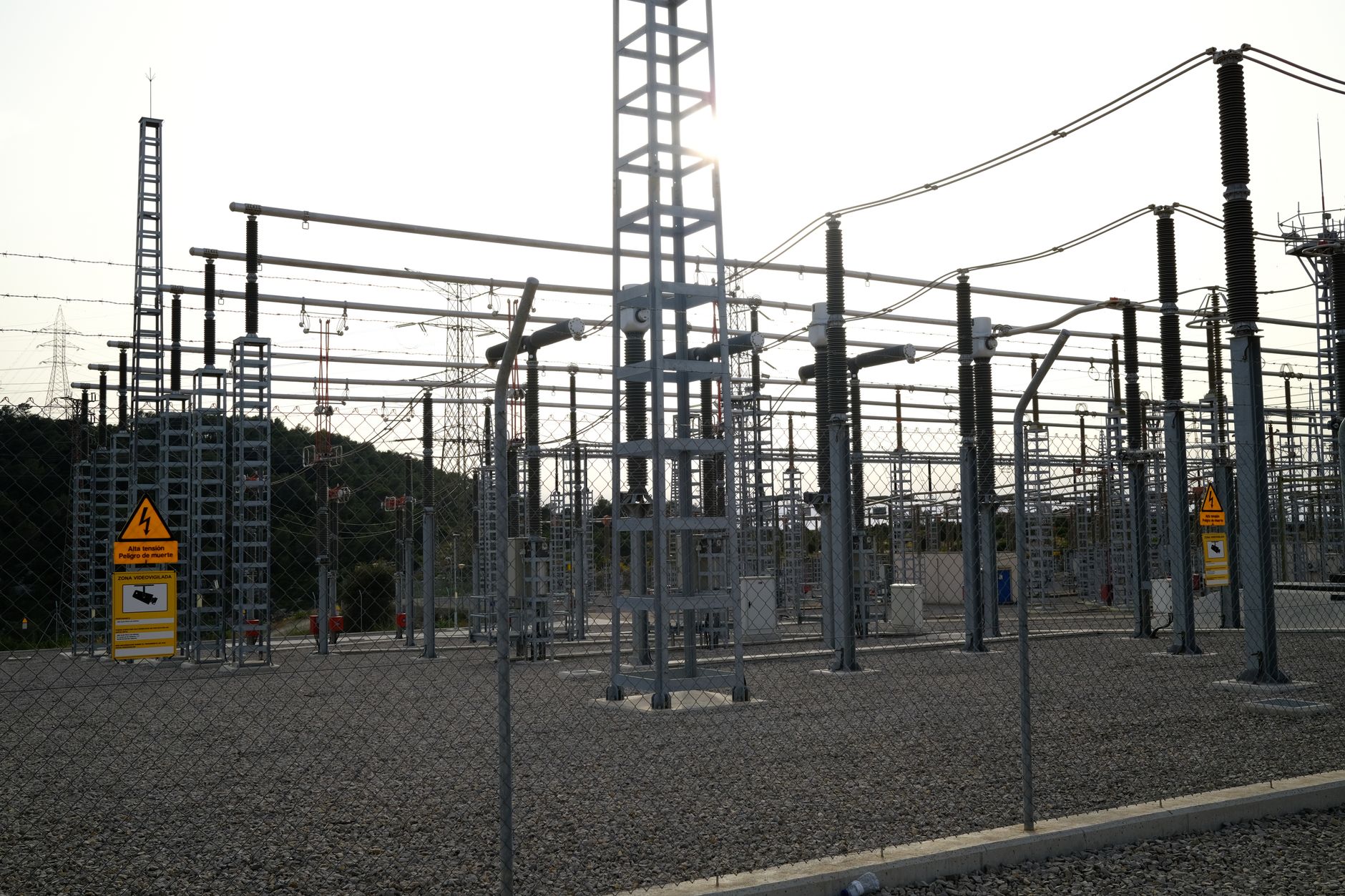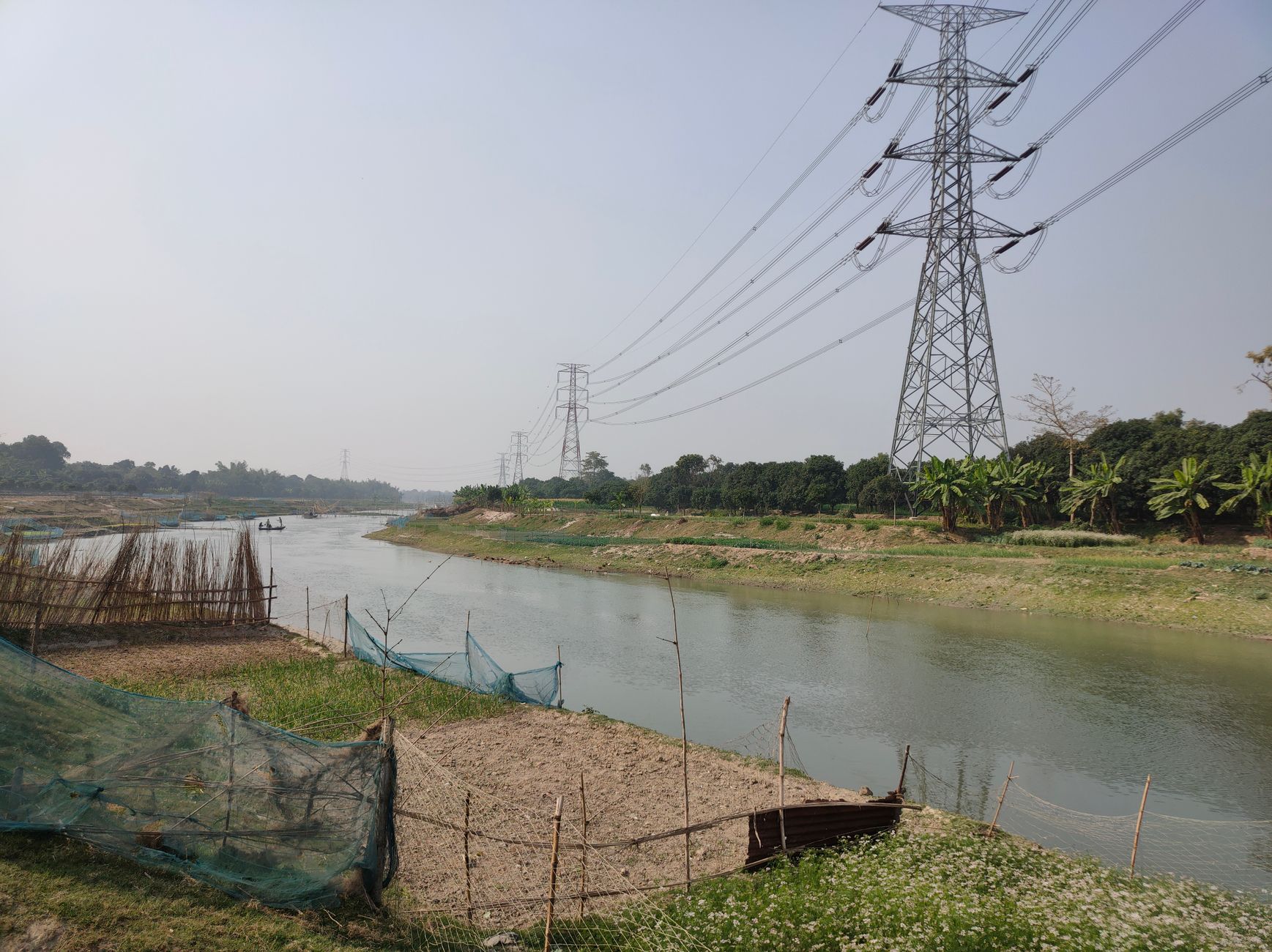
On a windy spring afternoon, the spot price of electricity in a modern wholesale market can fall below zero. A power plant that could sell its output ends up paying the market to take it. The event makes headlines, but it is not a data error or a sign that the grid has failed. The causes of negative electricity prices are ordinary: supply that cannot easily be turned down meeting demand that does not move with it.
A negative price means that the market-clearing price for electricity at a specific location and interval is less than zero. Instead of receiving payment for each megawatt-hour delivered, a generator pays the market operator or a counterparty to absorb that production. This can occur in day-ahead auctions or in real-time settlement, depending on how a particular market design operates.
The Mechanics of a Negative Price
Electricity is an unusual commodity because, under normal operating conditions, generation and load must match almost continuously. Large-scale storage remains limited in most systems, so system operators cannot warehouse surplus power and sell it later. When the quantity of generation offered at a price of zero or below exceeds the amount consumers are willing to take, the clearing price moves below zero.
Some generators deliberately bid below zero. A wind or solar plant may be earning production-based incentives, so the revenue from those credits can exceed the cost of paying to generate. A coal or nuclear unit may be expensive to shut down and restart, making it cheaper to pay the market to keep the plant online for a few hours. In liberalized electricity markets, these bids are the mechanism through which physical constraints and commercial incentives are communicated through price.
Why Local Surplus Does Not Always Mean System Surplus
Negative prices can appear even when the wider region is not oversupplied. Transmission capacity is limited, and a surplus of wind or solar output at one node cannot always be moved to distant load centres. The result can be a negative price in one part of the network while another part clears at a high positive price. This is not an accounting error; it is the market signalling that the bottleneck, not the generation itself, is the constraint.
Minimum generation limits add a further complication. Some thermal plants must stay above a certain output to remain stable, and some combined heat and power units cannot shut down without affecting industrial processes. These units may bid at negative prices rather than risk an unplanned shutdown. Meanwhile, renewable output can exceed forecasts, forcing the market to absorb more generation than scheduled. Australia’s National Electricity Market has recorded frequent negative daytime prices as rooftop solar output grows, a pattern driven by this combination of local surplus and limited upward flexibility.
Why Negative Prices Are Not Necessarily a Sign of Failure
A negative price is unpleasant for some generators, but it performs a function. It tells flexible resources — storage, demand response, fast-ramping gas plants, and large consumers — that there is a surplus at a particular moment and that shifting consumption or charging a battery would be valuable. In a well-functioning market, that signal is exactly what should appear when supply exceeds demand.
The market structure determines how widely this signal is seen and how quickly participants can respond. The distinction between vertical integration and liberalized pool-based trading is covered in more depth in the article on electricity market archetypes. In systems where retail prices are fixed, consumers may not see negative wholesale prices at all, but large industrial customers with time-of-use arrangements can respond directly.
Negative prices also reveal where investment has outpaced flexibility. If a renewable plant consistently receives negative prices during midday hours, that information is relevant for storage developers, transmission planners, and regulators deciding whether market rules need adjustment. The price is a measurement of a mismatch that already exists.
What Negative Prices Change for Participants
Negative prices redistribute value rather than eliminating it. A renewable generator that continues to produce during negative prices may still earn revenue from a feed-in tariff, a production tax credit, or a contract for difference, depending on the jurisdiction. This means the cost of the negative price can be borne by consumers or taxpayers through the support scheme, while the generator remains whole. The design of that support determines who ultimately pays.
For storage operators, negative prices are a direct revenue opportunity. Charging when prices are below zero and discharging later can improve returns, though this relies on sufficient price spreads and enough cycles to justify investment. For flexible industrial loads, negative prices can reduce costs or create revenue through demand response programs. In a different market structure, those same signals might be absent or muted, which explains why responses to negative prices differ across jurisdictions.
What Comes Next
The pattern of negative prices is not static. Current trends point toward more flexible demand, more storage, and more active management of distributed resources, all of which can reduce the frequency of negative prices. Some markets have introduced negative price floors or adjusted renewable support mechanisms to limit payments during oversupply. Others rely on scarcity pricing and capacity mechanisms to ensure enough flexible resources remain available.
Grid expansion and interconnection can also change where negative prices appear. A transmission project that connects a surplus region to a load centre can narrow the price difference between the two, reducing both negative and positive extremes. But this is not a single solution; each market faces different constraints, and the appropriate response depends on its regulatory framework and physical geography.
The more relevant question is how markets adapt to them. A negative price is a signal, and like any signal its value depends on whether participants can act on it. Storage can charge when prices fall below zero, flexible industrial load can shift production into those hours, and interconnectors can carry the surplus into a neighbouring market with room to absorb it. Where none of those options exist, the price simply records a surplus the system has no way to use, and the same signal repeats without producing a response.
References
- IEA — World Energy Outlook 2025: context on renewable generation growth and market integration challenges.
- AEMO — Quarterly Energy Dynamics: negative price events in Australia’s National Electricity Market and their drivers.
- IRENA — Renewable Power Generation Costs 2024: background on renewable support mechanisms and price formation.