For much of the past century, distribution utilities could plan their networks around a dominant assumption: power flows from the transmission substation outward to customers. Voltage regulators, protection relays, and load forecasts were built for that one-way delivery model. The approach worked because the customer side of the meter held almost no distributed energy resources — a small amount of generation, very little controllable load. But that planning assumption is now under strain in a growing number of feeders, and the change is being driven by assets that are small individually but consequential in aggregate.
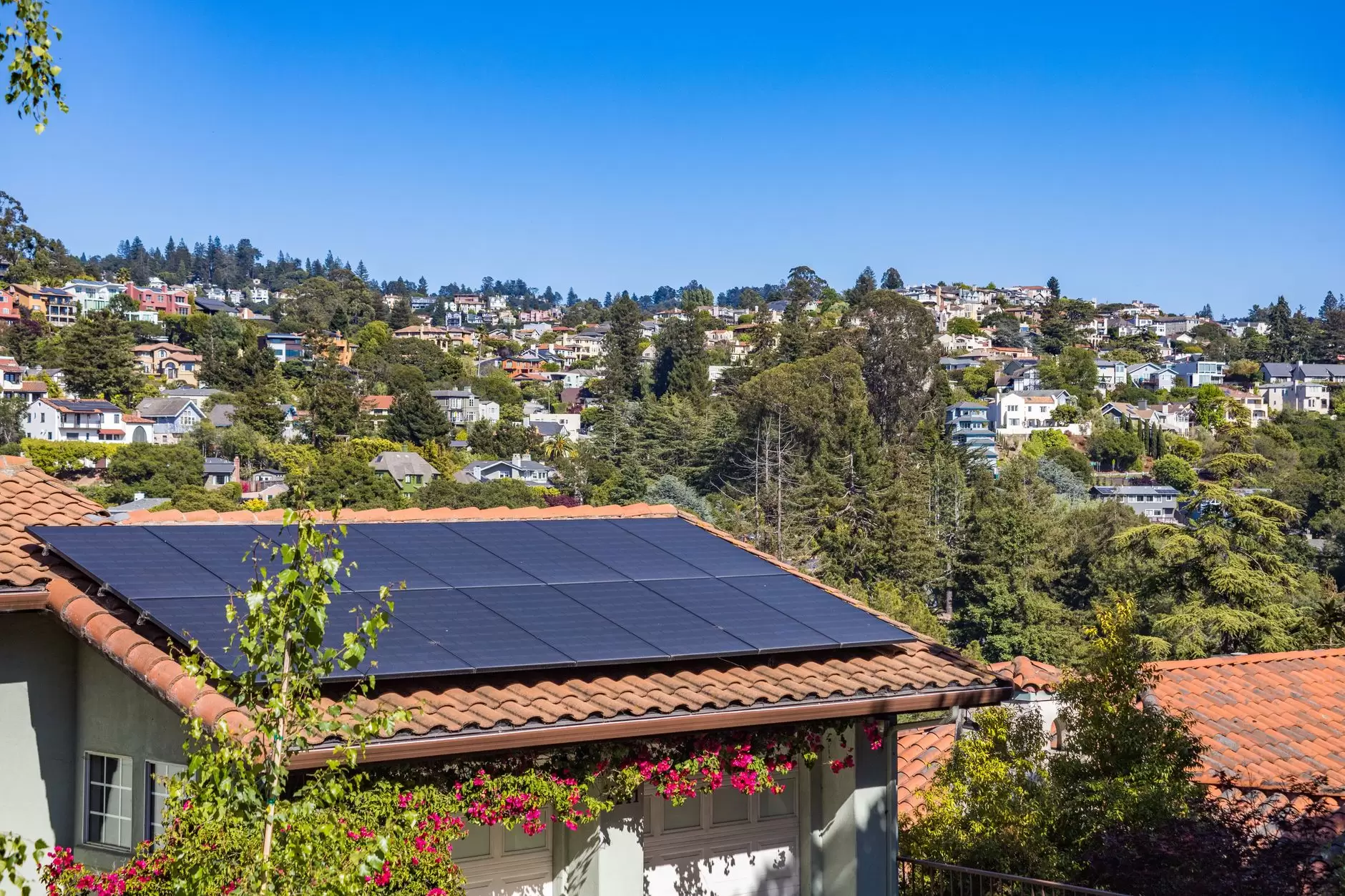
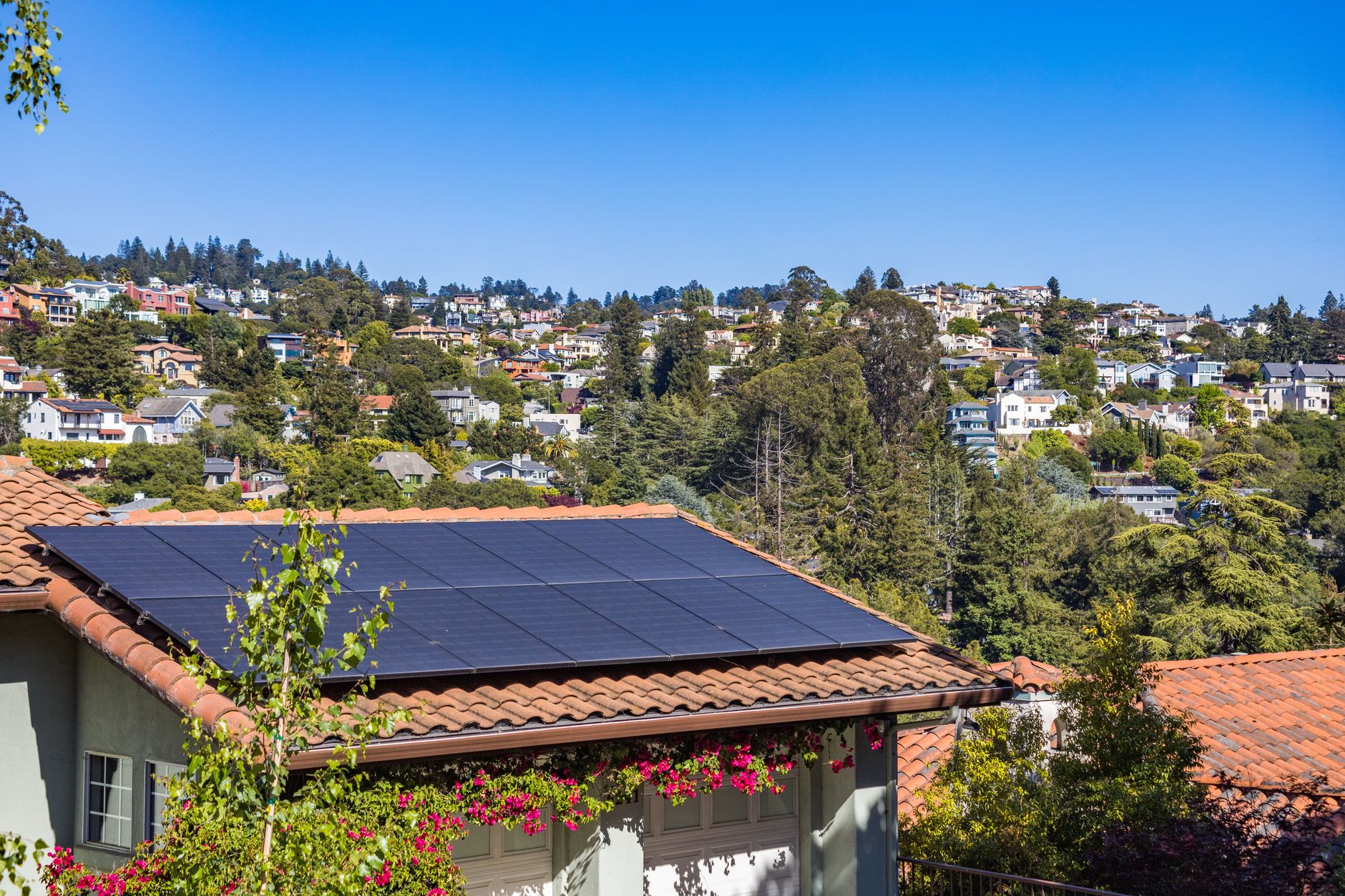
Rooftop solar, behind-the-meter batteries, smart thermostats, electric vehicle chargers, and controllable industrial loads have introduced generation, storage, and flexibility at the customer side of the meter. The physical distribution network in many areas remains the same, but the operating conditions can be different. Feeders that previously experienced a predictable evening peak can now experience midday reverse power flow, voltage rise, and protection coordination challenges. Distribution planning and operations are being reshaped in ways that transmission-focused energy transition discussions often miss.
This article maps that territory. It explains what distributed energy resources are, why they force a different approach to distribution planning and operations, where the commercial and regulatory pressure points sit, and what direction the industry is moving. The objective is not to argue that distributed resources are better or worse than centralised alternatives. It is to make the system-level questions visible so that professionals across generation, transmission, regulation, and markets can see where the constraints actually lie.
Understanding distributed energy resources requires looking at them from both sides of the meter. From the customer side, they are a bill and resilience decision. From the utility side, they are a planning and operational challenge. Most public confusion comes from treating one side as the whole story. The sections that follow keep both perspectives in view, starting with what counts as a distributed energy resource and how the traditional distribution model came to be.
What Counts as a Distributed Energy Resource
Distributed energy resources are generation, storage, or controllable load connected at distribution voltage or behind the customer meter. The exact boundary varies by jurisdiction and utility, but the common feature is proximity to consumption rather than to the transmission backbone. The category includes rooftop photovoltaic systems, small wind or combined heat and power units, battery storage on either side of the meter, electric vehicle charging that can be shifted, and demand response that reduces or reschedules load.
The behind-the-meter distinction matters operationally. Whether a behind-the-meter resource is visible to the utility or the wholesale market as a discrete asset depends on the utility, the market, and the equipment in place. Some systems report through smart meters, aggregation platforms, or program telemetry; others appear only as a change in net load at the customer connection point. A distribution-connected resource, by contrast, can be metered and dispatched as a separate facility. That difference shapes everything from revenue models to interconnection review to control room visibility.
One consequence is that behind-the-meter solar and storage can change feeder conditions without appearing in any generator dispatch stack. A utility sees the aggregate effect as reduced midday demand or reverse power, but it may have limited visibility into individual systems. This is the central reason distribution planning for distributed energy resources requires a different analytical approach from traditional load forecasting or generation interconnection.
The Distribution Model the Grid Inherited
Most distribution networks in North America, Europe, and other mature electricity systems were designed as radial circuits. Power flowed from a substation through feeders to customers, with voltage dropping predictably along the way. Protection was designed around fault current flowing in one direction. Voltage regulators and capacitor banks were sized for a network that consumed power rather than produced it. This design was not a mistake; it was the rational response to a system in which generation was large, centralised, and connected at transmission level.
The planning methods reflected that structure. Distribution load forecasting drew on demographic and economic growth assumptions, not on the behaviour of customer-owned generators. Interconnection requirements for distribution-connected generation were often minimal because such generation was rare. Utilities maintained maps of feeder loading, but many of those maps assumed one-way power and did not anticipate a future in which thousands of small sources would inject power at the customer side.
That legacy is not just historical colour. It explains why relatively modest penetrations of rooftop solar can create voltage and protection problems that a centralised supply mix would not. The physical parts were specified for one pattern of flow, and the operational tools were built around that same pattern. When the pattern changes, the equipment does not automatically adapt. Understanding DERs means understanding which parts of that inherited design still fit and which parts must be re-examined.
How Distributed Resources Change Distribution Planning
The first change is reverse power flow. On a feeder with high midday solar output and low daytime load, power can flow from the customer back toward the substation. Whether this creates a problem depends on the feeder, the export level, and the protection and voltage-control equipment already in place. A feeder with a small amount of distributed solar may see no measurable impact, while a neighbouring feeder with higher solar concentration may experience voltage rise at the ends of the circuit or protection settings that need review.
Voltage becomes a local issue in ways that centralised generation does not. When a customer exports power, the voltage at their connection point can rise above the service voltage nominally expected. Inverters that follow modern interconnection standards can modulate reactive power or reduce active power output to help manage voltage, but those capabilities are only available if the inverter settings are coordinated with utility practice. That coordination is precisely what traditional distribution planning did not require.
Hosting capacity analysis has become the practical response. Utilities calculate how much distributed generation each feeder can accommodate before voltage, thermal, or protection limits are reached. The answer is not a single network-wide threshold. It varies from feeder to feeder, and sometimes from section to section, depending on conductor size, transformer loading, voltage regulation equipment, and the location of the new resource. This is a departure from older planning approaches that treated all distribution capacity as interchangeable.
IEA data points to distributed solar as a growing share of recent capacity additions in several markets, with much of that capacity connected at distribution level. The grid integration challenge is therefore not a distant prospect; it is already present on feeders where solar concentration is high.
One of the less visible constraints is measurement. Many distribution transformers still do not have real-time monitoring or telemetry. A feeder segment can experience reverse power flows or thermal loading without the control room seeing it until a voltage complaint, a protection operation, or an equipment failure occurs. That blind spot means distribution operators sometimes rely on customer voltage complaints as an early warning signal. It is an operational reality that does not appear in most high-level energy transition commentary, and it explains part of the gap between hosting capacity as modelled and as experienced.
Behind-the-Meter Economics and the Demand Charge Connection
From the customer side, a distributed resource is primarily a bill management tool. Rooftop solar reduces the amount of energy purchased from the grid, but it does not systematically eliminate all charges. Many commercial and industrial tariffs include demand charges based on the highest measured kilowatts over a billing interval. A solar system can reduce energy consumption without reducing peak demand if the customer’s peak occurs when the sun is not producing enough, or if a single large load still spikes during the billing period. This is why understanding the structure of electricity bills matters before a DER is sized or sold.
Behind-meter batteries change the calculation. They can discharge to reduce a peak demand interval, a service sometimes called peak shaving, or they can store surplus solar for use in the evening. The economics depend on the demand charge design, the battery cost, and whether the site can also earn revenue from utility programs. A customer on a tariff with high demand charges may find more value in a battery than one on a flat energy-only rate. The industrial demand charge article explains that billing structure in detail and is directly relevant to DER sizing decisions.
Aggregation, Virtual Power Plants, and Wholesale Markets
In markets that set minimum size thresholds for wholesale participation, the smallest behind-the-meter resources generally cannot take part on their own. Their individual output is too small to clear those thresholds, and a single home battery cannot practically bid. Aggregation changes that. A virtual power plant combines many distributed batteries, thermostats, or rooftop solar systems into a single controllable resource that can respond to price signals, provide grid services, or bid into markets where the rules allow it.
The regulatory picture is fragmented. Some wholesale markets have developed aggregation frameworks that allow distributed resources to participate through an aggregator, while others restrict participation to retail programs or utility pilots. In the United States, FERC Order 2222 directed regional grid operators to allow aggregated distributed energy resources to participate in wholesale markets, although implementation has varied by region. In other markets, aggregation is still limited or occurs mainly through utility-run demand response programs.
For a distribution utility, virtual power plants introduce a new operational question. A fleet of batteries or thermostats acting on a wholesale signal can create a simultaneous change in load across many feeders. If that change happens without coordination with distribution operators, it can create local voltage or thermal constraints even when the aggregate response is useful at the system level. This interface between wholesale dispatch and distribution conditions remains an open coordination problem in current market design.
The Operational Challenge for Distribution System Operators
Distribution system operators are being asked to manage a network that produces local conditions traditional tools were not designed to address. The responsibility varies by jurisdiction: in some places the distribution utility also operates the system; in others a separate distribution system operator role is emerging. Regardless of the institutional form, the operational requirements are similar: better visibility into distributed resources, faster identification of feeder constraints, and control mechanisms that can act without harming customer value.
Visibility is a persistent barrier. Many distribution networks do not have the monitoring density needed to observe what is happening at the low-voltage level. Without that visibility, operators cannot distinguish between a feeder that is approaching a voltage limit and one that has comfortable headroom. The result is often a conservative planning approach: a utility may require a customer to reduce export or pay for upgrades based on a worst-case assumption rather than actual conditions.
Communication and control add another layer. Modern inverters can support voltage regulation and ride-through functions, but only if the utility can communicate with them and if customers are willing to allow that control. The technical standard that defines many of these capabilities, IEEE 1547-2018, sets out interoperability and performance requirements for distributed resources connected to the grid. Yet having the standard and having the field equipment configured consistently are two different things.
Why Different Regions Reach Different Outcomes
The same physical problem produces different responses because institutional and tariff structures differ. Australia, for example, has some of the highest rooftop solar penetration in the world on a per-household basis. In South Australia, periods have emerged in which rooftop solar supplies a large share of total system demand, and the system operator has had to coordinate inverter behaviour and remote disconnect capabilities to maintain operational security. The challenge is not hypothetical.
California has long used net metering to encourage rooftop solar, but the policy has evolved as the daytime value of solar declined. More recent tariff designs have shifted compensation toward value that depends on time of day and grid conditions, changing the customer economics away from simple energy offset. In parts of Europe, distribution-connected renewables were often built under feed-in tariffs, which guaranteed revenue but did not necessarily create incentives to align output with local grid conditions.
These examples are not included for geographic breadth. Each one shows a different solution to the same underlying tension: how to pay for a grid service and how to compensate distributed generation. The specific answer depends on who bears the cost of network upgrades, how retail tariffs are structured, and whether the distribution operator has the authority to impose export limits. That is why a DER strategy that works in one market often needs substantial redesign in another.
Demand charges appear in many of these debates because they determine how much of the bill a customer can reduce by shifting load or discharging storage. The mechanics of those charges are covered in the industrial demand charge article, and they matter for DER economics in commercial and industrial settings.
Where the Gaps Still Sit
Several unresolved questions shape how DER integration proceeds today. The first is measurement and communication infrastructure. Many distribution companies still cannot see behind-the-meter assets in real time, which limits both planning and operations. The second is the business model for flexibility. A customer who allows their battery or thermostat to be dispatched is providing a service, but the mechanisms to compensate that service vary widely and are often still being created.
The third is the interface between wholesale aggregation and distribution constraints. A virtual power plant that responds to a system-level price signal can create local overloads that the distribution operator did not anticipate. Coordinating wholesale and distribution markets is technically possible but institutionally difficult, because the entities, data, and timescales are different. The fourth is equity and cost allocation. When a distribution upgrade is triggered by one customer’s exports but benefits the feeder, the question of who pays is not settled uniformly.
None of these gaps is a reason to stop developing distributed energy resources. They are the reasons the work is difficult. The physical assets are largely available. The missing pieces are measurement, coordination, and market design. That distinction matters for anyone trying to separate progress from marketing.
Where to Go Next
The most useful way to think about DERs is as a change in the structure of the distribution system, not a collection of gadgets. The same physical asset can be a customer bill management tool, a distribution challenge, and a wholesale market participant, depending on the rules in place. Professionals planning generation, transmission, or markets need to see which layer they are looking at, because the constraints and the revenue streams are layer-specific.
If the billing structure is what brought you here, the article on industrial demand charges is the practical next read — it explains how peak kilowatts determine the bill and why that distinction shapes battery and solar economics. If the distribution planning side is the main interest, the natural next step is to look at hosting capacity analysis and distribution interconnection queues, where the feeder-level constraints described here become concrete. If the market design questions are the main interest, aggregation rules and virtual power plant frameworks are the next layer to understand, because that is where wholesale and distribution coordination is currently being tested.
Distributed energy resources do not need to be declared a revolution to be consequential. They have already changed what a distribution utility needs to measure, plan, and control. The open question is how the industry organises measurement, compensation, and coordination for a network in which the customer side of the meter is far less passive than the original design assumed.
References
- IEEE 1547-2018 — IEEE Standard for Interconnection and Interoperability of Distributed Energy Resources with Associated Electric Power Systems Interfaces (inverter grid support, ride-through, and communication requirements)
- IEA — Electricity 2025 (distributed solar and rooftop PV capacity trends)
- FERC Order No. 2222 — Participation of Distributed Energy Resource Aggregations in Markets Operated by Regional Transmission Organizations and Independent System Operators