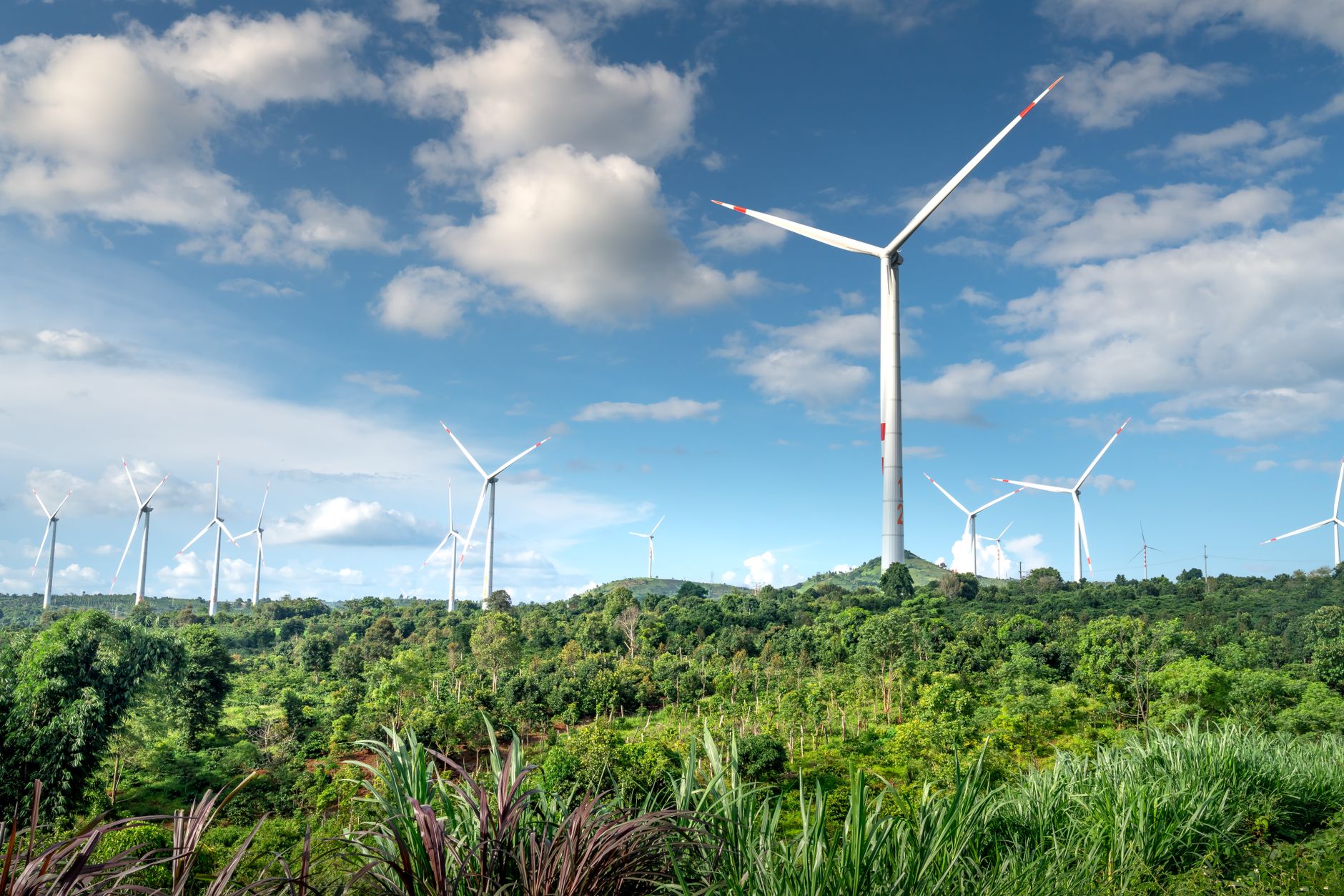
Across mature wind markets, a growing share of the operating fleet is entering the second half of its design life. The oldest commercial turbines in Germany, Denmark, and California have been producing for twenty years or more, and many of the original support mechanisms that financed them are expiring. That combination has pushed wind farm repowering from an occasional project to a routine commercial decision. For owners, the question is no longer whether to keep the old machines running, but whether the site itself is worth more than the equipment on it. Replacing older turbines with modern machines on an existing site has become the main alternative to letting a proven wind resource go idle or selling the land.
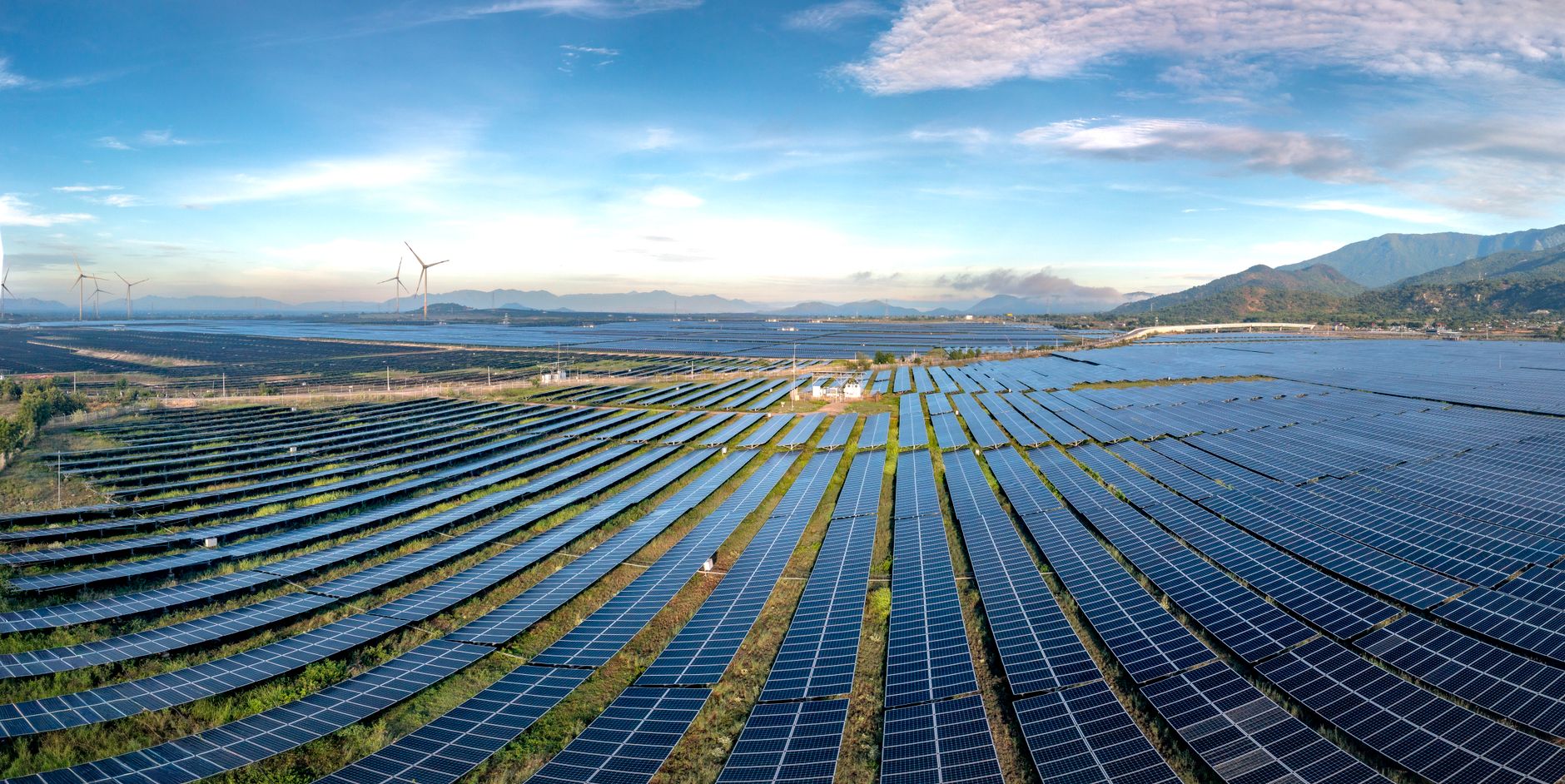
The most valuable part of an aging wind farm is often the site itself—the measured wind resource, the existing grid connection, and the permits. The turbines are replaceable; the location is harder to replicate. Those existing assets are what can make repowering more attractive than a greenfield project, even when the old machines are worn out. A decision that looks like an equipment replacement is often actually a decision about how to reuse scarce grid access and land.
IEA World Energy Outlook 2025 data illustrate the scale of global wind additions, but the repowering opportunity is concentrated in markets with a large existing fleet. The growth of new capacity does not solve the problem of what to do with older sites that already hold grid access.
What Repowering Actually Changes on the Ground
Repowering can take several forms. In a full repowering, the original turbines are removed and replaced with larger, more efficient machines, often in smaller numbers. In a partial repowering, blades, gearboxes, or control systems are upgraded while the tower and foundation remain. The full form delivers the largest production gain, but it also triggers more engineering and permitting work than a component swap.
Existing roads, crane pads, and substation works are often reused, but modern turbines are taller and heavier than the machines they replace. Whether the original foundation can carry a new tower depends on geotechnical conditions and the design margin built into the old site. In some cases, the connection point can accept the new capacity without new studies; in others, an export capacity increase triggers a fresh interconnection review.
This is where the hidden economics of repowering often sit. On many older sites, the rotor diameter was limited by the technology available at the time. Replacing a machine with a modern rotor can more than double the swept area without the new turbine needing a proportionally larger generator. The result is not simply more nameplate capacity; it is a machine that produces more hours at rated output. However, the existing grid connection often caps how much of that production can be exported, so the economics of repowering are frequently decided by the thermal limit of the original interconnection rather than by the wind resource.
Permitting is another variable. Existing environmental approvals, aviation clearances, and community agreements may remain valid if the new turbines stay within the original envelope, but taller blades often require renewed assessment of radar, aviation, and visual impacts. In markets with streamlined repowering rules, the process can be faster than a new project. In others, it can be nearly as slow.
The Economic Case: Repowering vs Greenfield
The first advantage of repowering is time. A greenfield project must secure land, complete environmental studies, secure a grid connection, and often wait in an interconnection queue. In the United States, FERC Order No. 2023 has improved the generator interconnection process, but queue backlogs remain a constraint in several regions. A repowering project that stays within its existing connection capacity can often proceed without that wait.
The second advantage is avoiding duplication of sunk costs. Grid connection, roads, foundations, and development studies are already paid for. The levelized cost of electricity for a repowered site can therefore look lower than a greenfield project on a like-for-like basis, but the comparison needs care because the existing assets are not valued on a greenfield balance sheet. What matters is the incremental cost of the new turbines against the incremental energy they produce.
Revenue quality also changes. Older projects often had fixed feed-in tariffs or long-term contracts that expire. A repowered project typically enters the merchant market or seeks a new corporate offtake. The rise of corporate PPAs in renewable finance has given repowering projects a route to stable revenue, but merchant exposure remains a consideration in markets without long-term contracts. The production profile matters: a repowered machine with a larger rotor may generate more in lower wind periods, which changes both revenue shape and financing.
There are also operating cost benefits. Fewer, larger turbines reduce the number of gearboxes, blades, and control systems to maintain, which lowers routine O&M cost per megawatt-hour. Fewer machines mean fewer service visits and fewer weather-dependent access windows, a difference that matters most offshore, where access drives much of the maintenance budget. The savings are not uniform. Turbines reused on existing foundations and cables operate within a balance-of-plant designed for an earlier machine, and drivetrain or blade failures on those units still carry the heaviest repair costs. The net effect depends on how much of the original plant is retained and how well the newer machines match the conditions the site was first designed for.
When Greenfield Still Wins
Repowering is not automatically the better option. If the existing grid connection imposes a hard export limit below what a modern turbine could produce, the project may be leaving energy on the table. A greenfield site with a dedicated connection or a more favourable point of interconnection can support a larger project and capture more of the resource.
The existing site may also have constraints that no longer fit modern project design. Older wind farms were sometimes built on ridges with difficult access, narrow roads, or tight setbacks. Transporting a modern blade and tower to such a site can add substantial cost and engineering complexity. A greenfield site selected with current data and turbine logistics in mind may avoid those legacy costs.
Environmental and social constraints can be harder to renegotiate than to avoid. If a community accepted a project on the basis of a certain turbine height or visual impact, repowering with a much taller machine can reopen approval processes. Greenfield development may face its own challenges, but it does not carry the burden of old agreements that no longer match the technology.
Finally, greenfield projects can be planned from the start as hybrids. Co-locating storage with wind is easier when the interconnection, land, and permits are designed for both assets from the beginning. Repowering an old wind farm may not allow the same flexibility without a new connection request. The limitations of simple LCOE comparisons also apply here: a repowered site may have a low incremental cost, but a greenfield hybrid may deliver more value through storage and a better production profile.
Where Repowering Is Heading in Mature Markets
Repowering activity is most visible in markets with the oldest fleets and the strongest remaining wind resources. In Germany and Denmark, many of the turbines installed under early support schemes have reached or passed twenty years of operation. Some national frameworks have been adjusted to make repowering the preferred route to maintaining capacity at an existing site, though that preference varies by jurisdiction and by the terms of the support scheme in question. California’s Altamont Pass, one of the oldest wind resource areas in the United States, has seen older, smaller turbines replaced with far fewer modern machines over several years.
The direction of travel points toward repowering plus storage in some locations. Operators that hold a valuable grid connection may add batteries to the existing site to firm output and capture higher prices during peak or constrained hours. This changes the economics from a simple turbine replacement into a broader asset renewal, and it can make a site competitive even when wind conditions alone are moderate. As with any project comparison, the levelized cost of electricity for a repowered site should be viewed alongside grid connection value and revenue shape, not in isolation.
What happens next depends heavily on interconnection and permitting rules. In some jurisdictions, repowering within existing capacity is treated as a modification rather than a new project, which shortens development time. In others, any increase in generator size triggers a queue position or new studies. Market participants are watching how regulators balance the goal of faster repowering with the need to maintain grid reliability. The outcome shapes how many older sites are renewed rather than decommissioned.
One further shift deserves attention. Repowering decisions are being made earlier in a project’s life, sometimes before the original turbine reaches the end of its design life. If a site has strong wind and a good connection, the owner may calculate that replacing a functioning but inefficient machine is worth more than waiting. A repowered project that can sign a long-term corporate PPA may also be easier to finance than one exposed entirely to merchant prices, as discussed in the corporate PPA and merchant risk analysis. That changes the investment cycle in mature wind markets and increases the importance of understanding the existing asset fully before deciding between repowering and greenfield development.
References
- FERC — Order No. 2023, Improvements to Generator Interconnection Procedures and Agreements. Used for the treatment of generator interconnection queues and repowering within existing capacity.
- IEA — World Energy Outlook 2025. Used for context on aging wind fleets and capacity additions in mature markets.