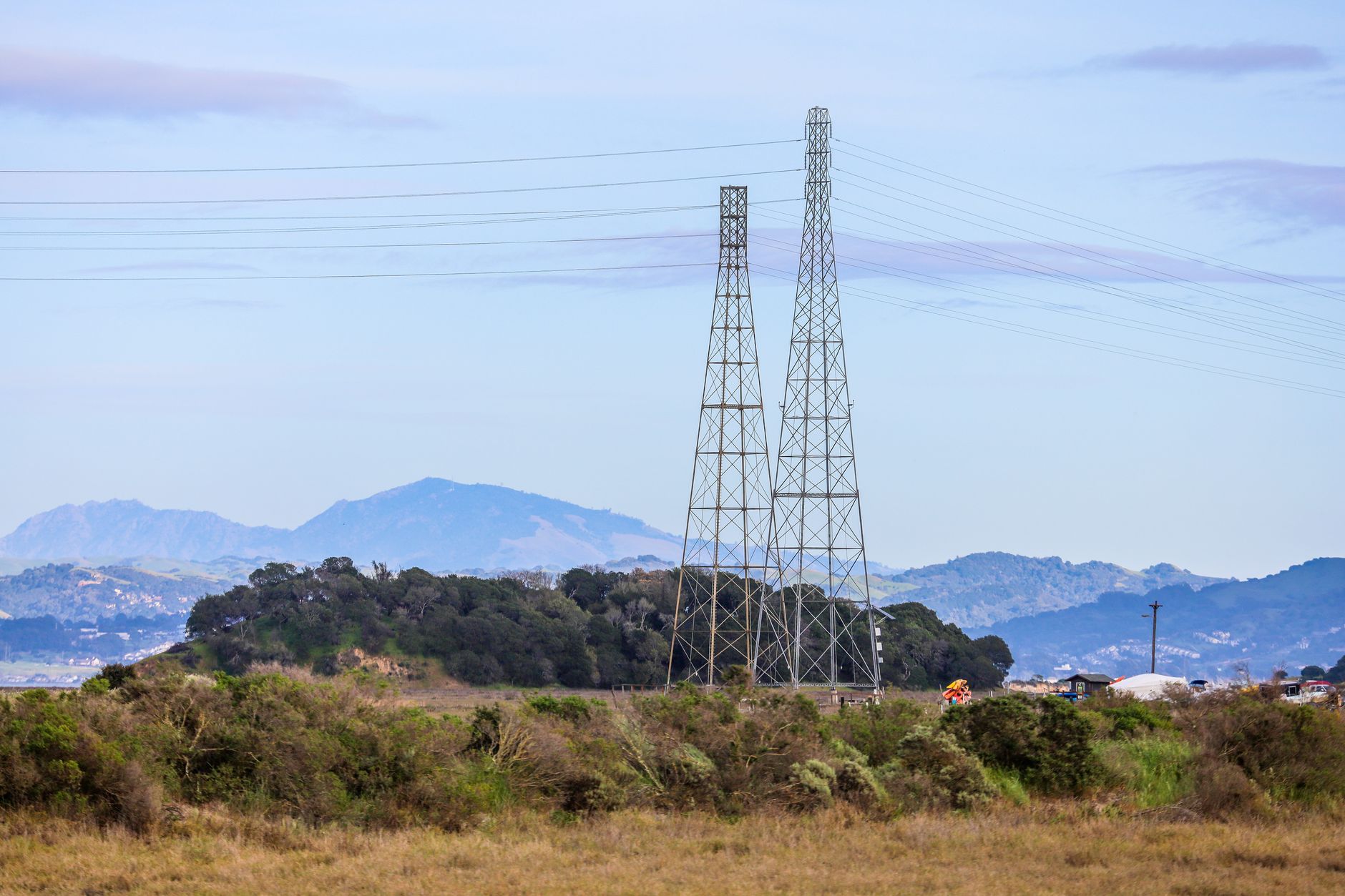
For many interregional transmission projects, the engineering work can be completed before the approvals are assembled. That gap is what transmission permitting reform attempts to close. A high-voltage line that connects a remote renewable resource to a distant load center crosses local land-use boards, state or provincial siting commissions, national environmental agencies, and sometimes a supranational authority. Each body applies its own legal test, on its own timeline, with its own appeal rights, and aligning those separate decisions into a constructible route is the work that determines the schedule.
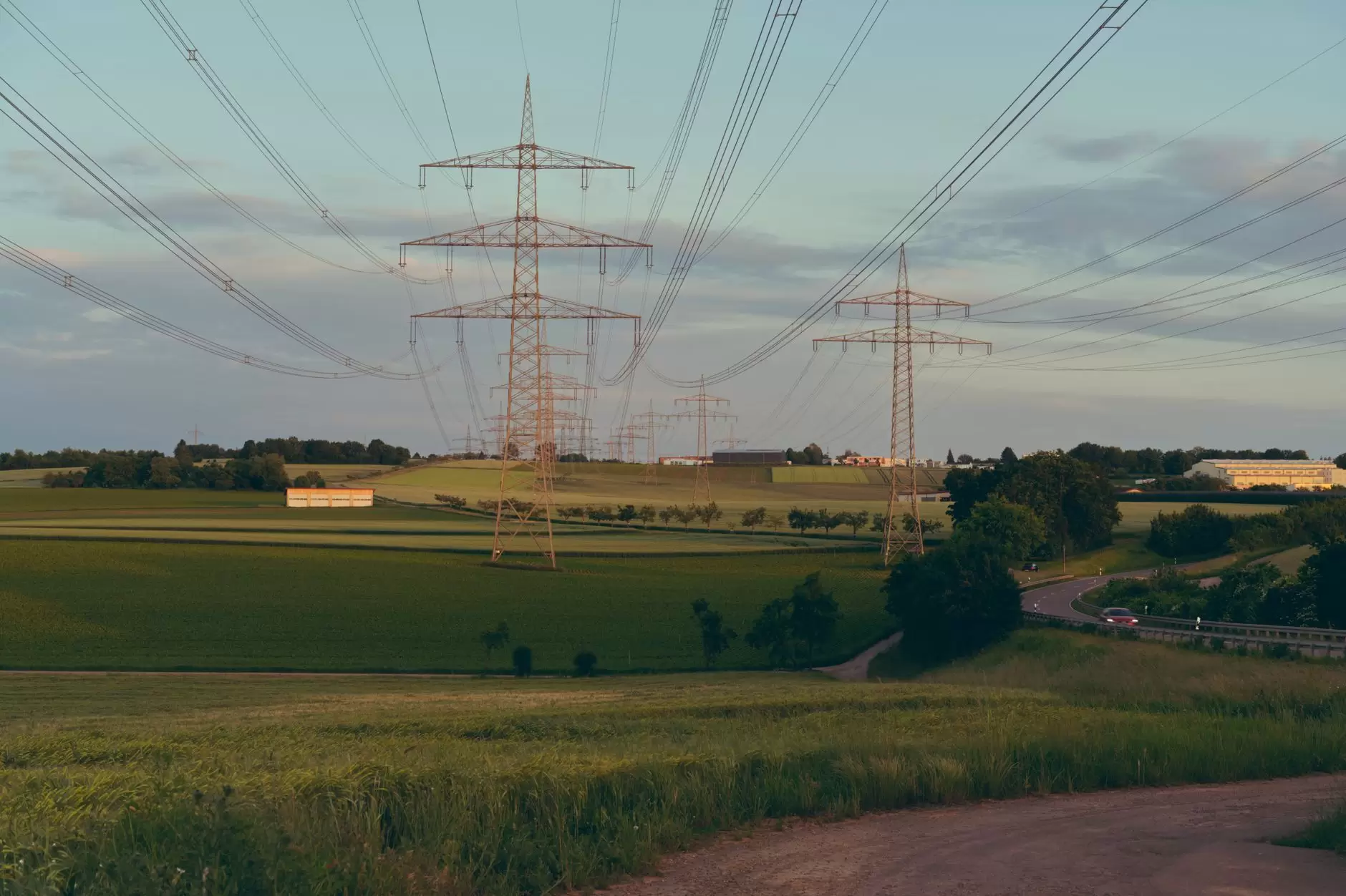
This layering reflects the legal treatment of transmission as infrastructure that crosses multiple jurisdictions while creating benefits far away. Communities along a route may absorb visual, environmental, and land-use impacts without receiving direct power supply or local employment. Early electricity laws assigned authority close to the affected landowner. Later environmental and reliability statutes added national layers on top, but rarely replaced the older local ones. Permitting has become one of the main constraints on grid expansion, alongside interconnection queues and supply-chain limits. The wider context is covered in why transmission is becoming the biggest bottleneck in the energy transition.
The Layered Architecture of Transmission Approval
The approval architecture varies by jurisdiction, but most systems share a common structure. Local authorities control land use and visual impacts. State or provincial bodies weigh need and route alternatives. National agencies handle environmental law and protected habitats. In the European Union, an additional supranational layer sets project priorities and deadlines, while member states retain actual siting authority. Each layer has its own application form, evidence requirements, public consultation window, and appeal mechanism.
Because these layers rarely coordinate around a single timeline, a change at one level can reopen decisions elsewhere. That interaction converts what looks like a step-by-step process into a maze of dependent reviews. Understanding the specific distribution of authority matters more than knowing the total number of permits.
United States: Three Levels of Review Without One Decision Point
In the United States, no single federal permit exists for an interstate transmission line. Outside a rarely used federal backstop authority, the Federal Energy Regulatory Commission does not site most long-distance lines. A project that crosses federal land may need approvals from the Bureau of Land Management, the U.S. Forest Service, the Army Corps of Engineers, and the U.S. Fish and Wildlife Service. Everything beyond those federal touches falls to the states, and how each one distributes that authority varies. Some states assign route and need decisions to a public utility commission; others share the authority with siting boards, legislatures, or local governments, which may hold separate approval over road crossings and land-use compatibility.
- Federal environmental and land-management approvals under NEPA, the Endangered Species Act, and the Clean Water Act.
- State public utility commission certificates of public convenience and necessity, where the route and need are evaluated.
- Local zoning permits, road-crossing agreements, and building permits that can be denied even after state approval.
The sequence matters. A state may approve a route, but a county’s refusal to authorize a road crossing can force design changes. A federal environmental review may identify a new avoidance option that requires reopening the state proceeding. Because these processes are not synchronized, a single change can cascade through multiple dockets. This is separate from the interconnection queue backlog on the generator side. Transmission siting adds another review sequence even after network need is established.
Europe: Cross-Border Ambition, National Control
European transmission permitting operates through a different political geometry. The European Union’s Projects of Common Interest framework identifies priority corridors meant to connect national systems. For those projects, member states are expected to designate a single national competent authority to coordinate permit applications. The aim is one national authority per member state rather than separate federal, state, and local processes.
In practice, national spatial planning still leaves significant discretion with regional governments. Many transmission corridors require environmental impact assessments at both national and subnational level, and local objections can delay projects even after priority status has been granted. A single authority coordinates paperwork, while the underlying need for land rights, protected area clearances, and construction permits continues separately. Even technically advanced alternatives such as HVDC converter technologies do not avoid this. An underground or submarine HVDC link still requires route approval, environmental assessment, and local consent, though it may alter the visual impact calculus.
The institutional contrast is instructive. In the U.S., the federal government controls land and environmental review but not state siting. In the EU, the supranational level sets deadlines and project priorities, but member states control land use. Both systems place the final decision at a level different from the one that pays for or benefits from the project.
Australia: State-Led Planning Under Federal Environmental Oversight
Australia operates a different balance. High-voltage transmission planning and approval are primarily state-based, with each state’s planning act controlling route selection and construction. A project such as a new interstate connector is typically assessed under state law first. If the route potentially affects matters of national environmental significance—threatened species, migratory birds, water resources—it also requires assessment under the Commonwealth Environment Protection and Biodiversity Conservation Act.
This mirrors the U.S. structure in one respect: national environmental review does not replace state planning. But Australia’s state governments tend to take a more active role in selecting and declaring transmission corridors, particularly in the National Electricity Market. The result is a different bottleneck. The system planning process can identify a new renewable energy zone, while the route still has to travel through state planning legislation and, in some cases, Commonwealth environmental review. The plan establishes the system case, while the construction permit remains a separate state or Commonwealth approval.
Where the Years Actually Go
Mapping the institutions explains part of the timeline, but not all of it. The total duration comes from the interaction between sequential and parallel processes.
In many jurisdictions, environmental surveys follow seasonal windows. A missed bird-breeding or wetland survey can push a routing decision into the following year, even though no agency has slowed its own review. This is one of the less visible causes of delay: the calendar, not the regulator, imposes a waiting period.
- Early route identification and stakeholder consultation run in parallel with technical studies, but landowner objections can pause design without pausing legal deadlines.
- Public hearings and appeal periods create waiting time, but that waiting time can be used to negotiate property agreements.
- Permit conditions may require additional surveys, archaeological reviews, or construction method changes that must then be reflected in updated applications.
This is why overall timelines are often measured from the first community presentation to the final notice to proceed, rather than from the filing date. The first presentation triggers the sequential phase—community engagement, permitting, and regulatory review—while engineering studies and land acquisition run alongside. The total duration depends on how these tracks intersect, not simply on how long each step takes on its own.
The Institutional Root of Permitting Delays
Transmission engineering is relatively standardized. Tower design, insulation, thermal ratings, and dynamic line rating are governed by well-established technical standards. Across jurisdictions, differences in timeline usually stem from the number of independent decisions that must align rather than from conductor specification. This is why comparing permit counts across countries is less useful than comparing the number of independent decision points.
Each permitting body applies its own statutory test. A state commission may focus on need and cost. A local board may focus on visual impact. A federal agency may focus on habitat fragmentation. All three can agree the line is needed and still produce different conditions. The developer then works to reconcile those conditions into a single constructible design.
This institutional fragmentation raises the cost of capital and narrows the field of developers who can manage multi-year permitting. It also means that small changes in one law—such as the designation of a new protected habitat or a change to appeal rights—can have more effect on project timelines than advances in line technology. The distribution of costs and benefits across jurisdictions adds a further complication, as discussed in cost allocation for multi-value projects.
What Professionals Should Watch Next
Several jurisdictions are experimenting with institutional responses. The European single competent authority is one. Some U.S. states have consolidated transmission siting at the state commission level, removing county-by-county approvals for large lines. Others leave local vetoes intact but provide earlier pre-application consultation. Australia’s renewable energy zones attempt to resolve route selection before individual projects enter the full assessment process, reducing duplicated studies.
Most reform proposals leave the underlying environmental standards unchanged. What they try to shift is the sequence: a project should be assessed once, with conditions, rather than repeatedly through inconsistent requirements. Whether these reforms accelerate timelines without weakening public accountability remains an open question, and the outcomes vary by legal system.
- Single-window authority design, because it changes where developers submit documents and who can appeal.
- Pre-application consultation requirements, which can reduce later objections but add early costs.
- Coordination between environmental survey schedules and approval deadlines, a frequent source of hidden year-long delays.
- How national reliability assessments interact with local land-use decisions as grid needs shift faster than siting law.
Transmission permitting is an institutional problem built from overlapping legal authorities, each with a legitimate public interest. For professionals planning projects, understanding which authority decides what—and when—is part of the financial case. Successful planning treats the approvals map with the same rigor as the single-line diagram.
References
- International Energy Agency (IEA) — Electricity Grids and Secure Energy Transitions. Background on permitting as a source of grid build-out delay.
- Federal Energy Regulatory Commission (FERC) — Transmission Siting and Permitting. Basis for the U.S. federal-state division of siting authority and the limited backstop role.
- ENTSO-E — Ten-Year Network Development Plan and Projects of Common Interest process. Context on European transmission planning and single-authority coordination.
- Australian Energy Market Operator (AEMO) — Integrated System Plan. Context on renewable energy zone identification and state planning interaction.