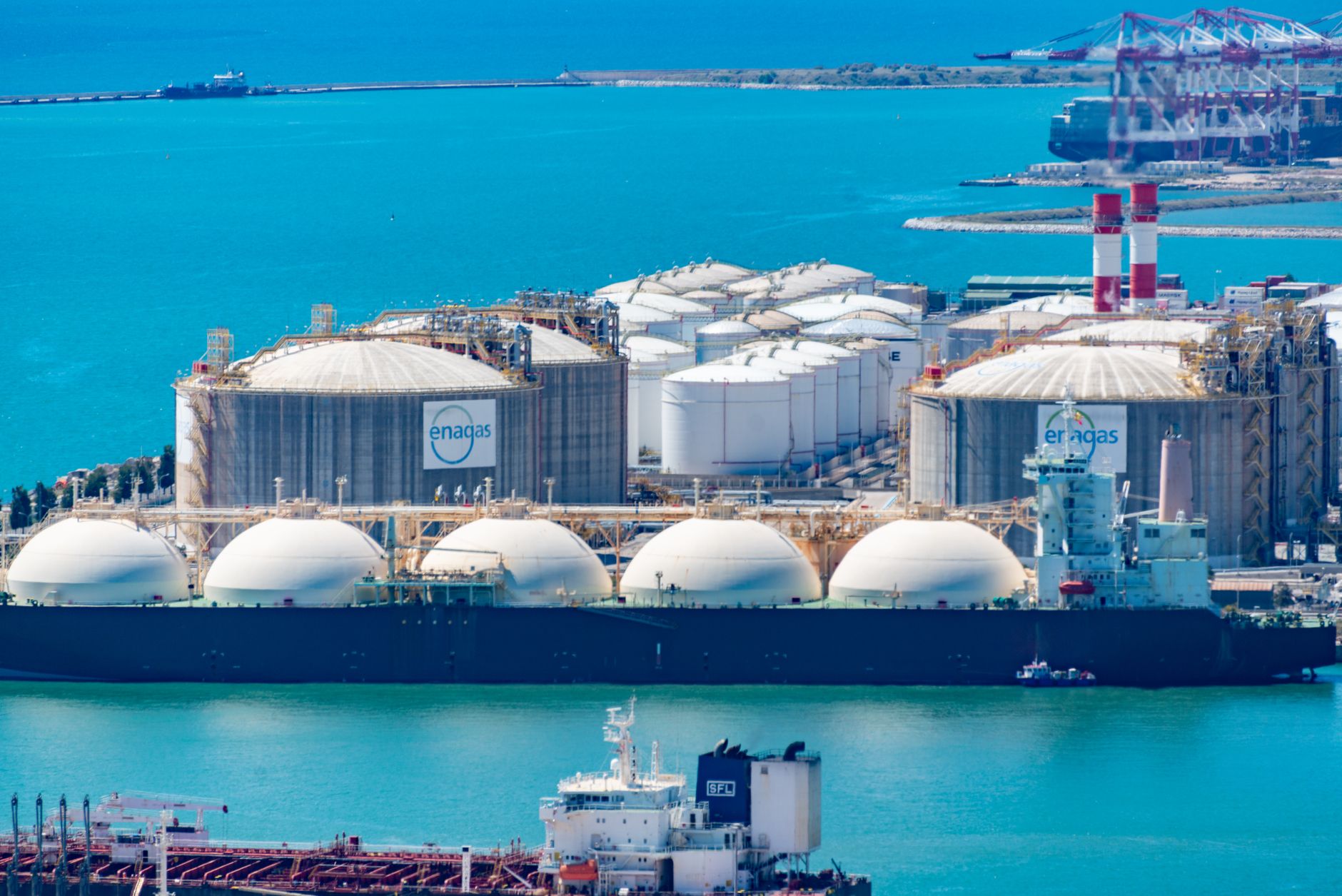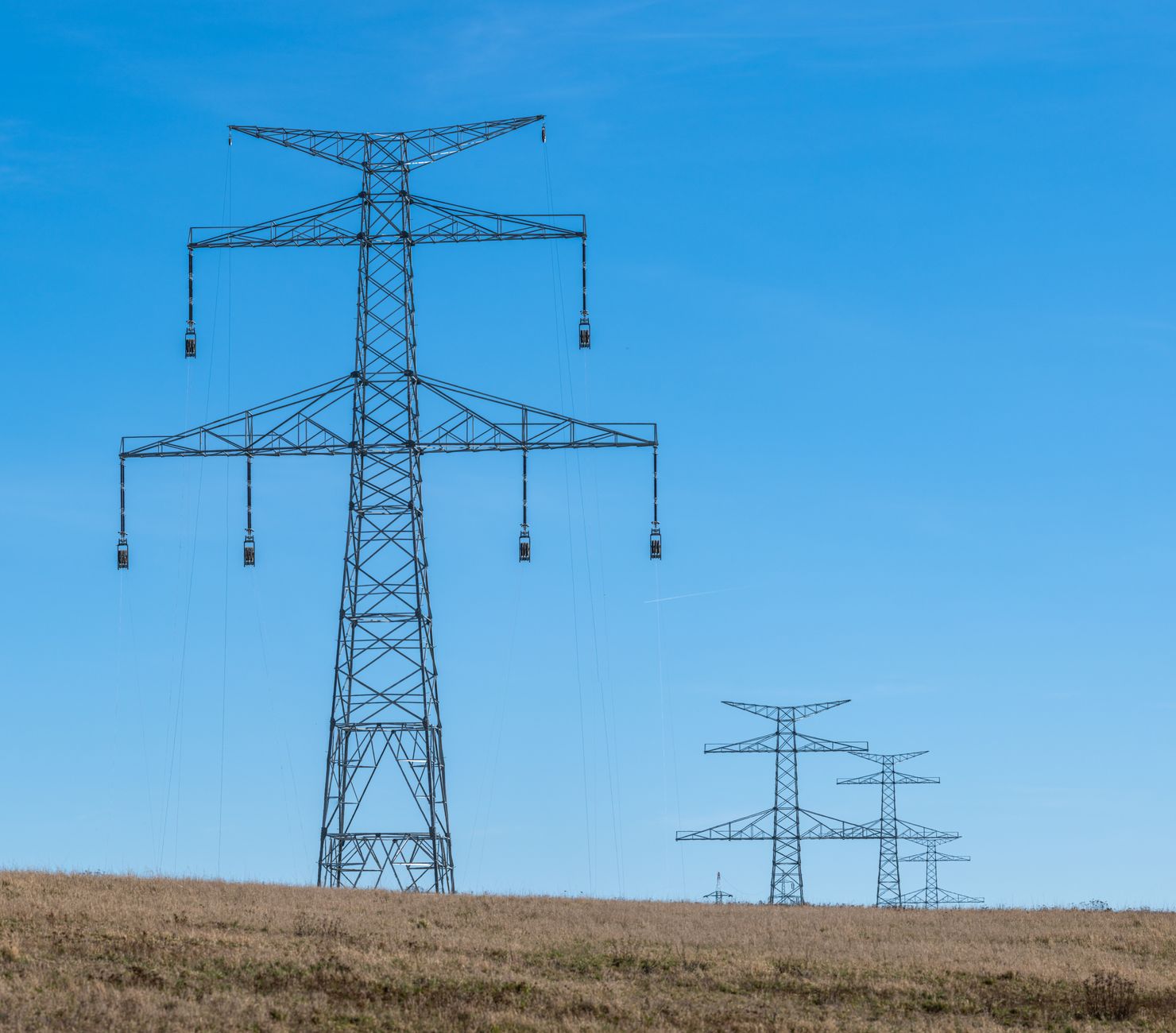
Take-or-Pay Contracts: How LNG Supply Risk Is Allocated
A buyer signs a long-term LNG sale and purchase agreement and commits to lift a minimum annual quantity. The seller then reserves liquefaction and shipping capacity against that commitment. If the buyer’s downstream demand falls short, the buyer still owes the contract price on the undelivered volume. The clause that creates this obligation is called take-or-pay, and it turns a commercial commitment into a payment obligation that exists before a single cargo arrives.
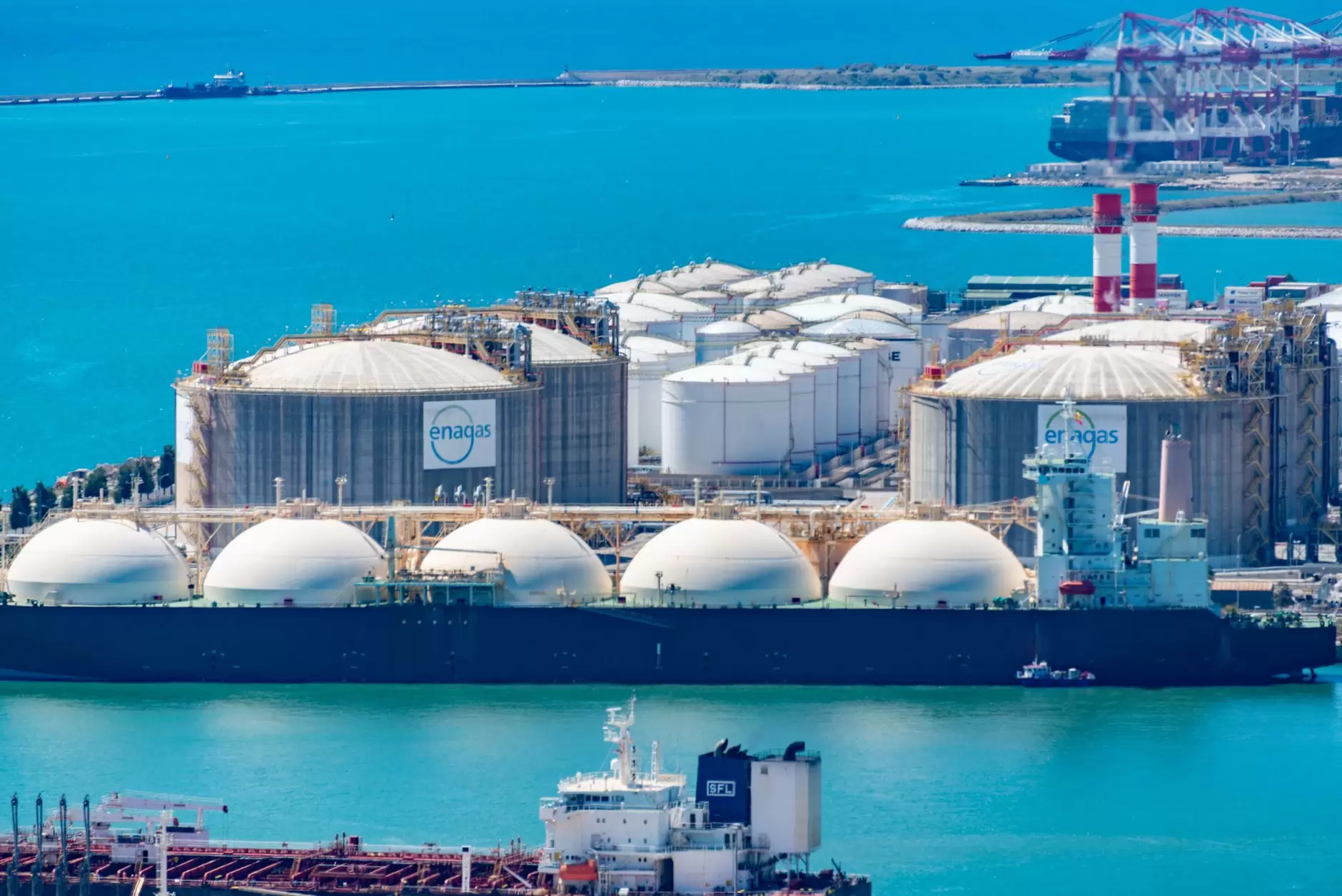
Most natural gas producers include a take-or-pay provision in their gas purchase contracts, a pattern documented in a St. Mary’s Law Journal review of the clause. The original formulation required a pipeline company to take a specified amount of natural gas from the producer or pay for that amount. When demand was insufficient, pipeline companies ended up paying for gas that could not be marketed. The LNG version moves that same logic downstream: the buyer of liquefied gas, not the pipeline, carries the payment obligation.
The practical question is where the cost of that missed offtake actually lands. The buyer’s minimum bill is a cash obligation, but whether the cost is absorbed by the buyer’s shareholders, passed through to retail customers, or recovered through a capacity mechanism depends on the offtake and regulatory layer. A buyer that is a regulated utility sits behind a tariff and pass-through rules; an industrial buyer or gas marketer does not. This article walks the allocation in the order the contract does.
The Minimum Quantity and Tolerance Set the Baseline
The minimum quantity is the first place the risk lands. A contract can define an annual contract quantity and a lower tolerance band, with the take-or-pay obligation applying to the shortfall below that band. The tolerance matters because it gives the buyer a small cushion before the bill starts. Where the contract contains no tolerance, the entire annual quantity becomes the minimum, and any shortfall attracts the contract price.
This allocation is blunt. A buyer that lifts 95 percent of its annual quantity may owe the full shortfall on the remaining 5 percent, depending on how the clause is drafted. The seller’s objective is to make revenue predictable regardless of the buyer’s downstream conditions. The buyer’s objective is to avoid paying for gas it cannot use. The minimum quantity and tolerance are therefore negotiated together, because one sets the size of the exposure and the other sets the size of the escape.
Make-Up and Carry-Forward Rights Soften the Bill
A contract can include a make-up or carry-forward right that allows the buyer to lift the shortfall in a later period and reduce or offset the earlier payment. The design possibilities vary. Some agreements allow the buyer to carry a shortfall forward for a defined window; others require the buyer to take the make-up volume only if capacity is available. Where a make-up right exists, the take-or-pay bill is not necessarily final at the end of the contract year.
From the seller’s perspective, a make-up right introduces uncertainty into the revenue stream that the clause is meant to protect. If the buyer can postpone payment by promising future liftings, the seller’s lenders may discount the value of that revenue. The terms of the make-up right therefore reflect the same tension as the minimum quantity: the seller wants firm cash, the buyer wants operating flexibility. The contract allocates that tension through the carry-forward limit, the deadline, and any capacity conditions.
Price Basis and Review Clauses Determine What the Buyer Pays
The price basis defines how the contract price is calculated, usually against an index or a fixed schedule. A review clause can adjust that basis at intervals, often when market conditions change beyond a stated threshold. The drafting matters because a shortfall bill is calculated at the contract price, not at whatever spot price the buyer could obtain on the day of the missed lifting. A buyer whose contract price sits above the spot market will pay more for gas it does not take than for gas it can buy elsewhere.
Price review clauses are themselves a risk-allocation device. They allow the contract to adapt without renegotiating the whole agreement, but they also create the possibility that the buyer’s minimum bill will rise while its downstream revenue does not. For a regulated utility buyer, the question is whether the tariff permits the difference between the contract price and the spot price to be recovered from customers. For an unregulated buyer, that difference lands on the balance sheet. The instrument that answers this is the SPA and, where relevant, the tariff or pass-through rule.
Destination and Diversion Terms Shape the Buyer’s Mitigation Options
Destination clauses restrict where the buyer can send a cargo. Diversion rights allow the buyer to redirect a cargo to another terminal or resell it, but only where the contract permits. This is important because the take-or-pay obligation is calculated on the shortfall in liftings, and a buyer with diversion rights may be able to reduce its shortfall by sending the gas to a location where demand exists. A buyer with a fixed destination clause has fewer ways to avoid paying for gas it cannot use at the original point of delivery.
The seller’s interest in restricting diversion is tied to its own portfolio and credit exposure. A cargo diverted to a new terminal may create scheduling conflicts, pipeline charges, or exposure to a buyer the seller did not originally contract with. The drafting of the destination and diversion terms decides which party can act to reduce the shortfall. A buyer that negotiates broad diversion rights transfers some volume risk back to its own trading desk; a buyer that accepts a narrow destination clause keeps that risk on its balance sheet.
Credit Support Attaches the Obligation to a Payable Entity
The take-or-pay obligation is only as valuable as the entity that owes it. Sellers therefore insist on credit support before signing a long-term LNG SPA. The security can take the form of a parent guarantee, a letter of credit, or sponsor support from the buyer’s shareholders. The choice matters because it determines who pays if the original buyer cannot. A letter of credit provides a direct claim on a bank; a parent guarantee depends on the parent’s own credit standing.
Credit support also interacts with the incidence question. The minimum bill is owed by the buyer, but the parent guarantee means the parent’s balance sheet stands behind it, and a letter of credit means the bank advances funds that the buyer must repay. Where the buyer is a regulated utility, the regulator may allow the cost of the guarantee or letter of credit to be recovered through the tariff. The security instrument therefore does more than reassure the seller; it allocates the cost of providing that reassurance to a specific layer of the buyer’s financial structure.
The Live Disagreement: Underwriting Finance or Fixing a Cost
The seller’s case is that minimum bills underwrite liquefaction finance. A liquefaction project needs predictable revenue before lenders will commit. Take-or-pay converts volume risk into a credit obligation against a named buyer, which is easier for lenders to assess than the future of global gas demand. The clause gives the project sponsor the revenue certainty it needs to reach a final investment decision. Without such clauses, fewer projects would be financed, because the revenue would depend on the buyer’s willingness to lift cargoes year by year.
The buyer’s case is that inflexible take-or-pay turns a seasonal demand miss into a fixed cost. A utility whose gas burn falls because of mild weather, or because renewable generation displaces gas, still pays the same minimum bill. That fixed cost must be recovered somewhere. If the buyer is a regulated utility, it may seek pass-through; if it is an industrial consumer, the cost reduces earnings. The allocation therefore affects how willing buyers are to sign new long-term contracts. A buyer that fears a fixed payment obligation will demand a lower minimum quantity, a wider tolerance, or a stronger make-up right before committing to new supply.
The disagreement is about who should bear the cost when the need does not materialise in a particular year. Each allocation creates a different incentive to sign new contracts. A strict minimum bill encourages sellers to build liquefaction capacity, but discourages buyers who cannot pass the cost on. A softer clause encourages buyers to sign, but weakens the revenue certainty that lenders require. The balance between those positions is negotiated in every SPA.
Where the Cost Lands After the Buyer Writes the Check
The distinction between payment and incidence is most visible after the buyer pays. The minimum bill itself is a cash obligation of the buyer. What happens next depends on the commercial and regulatory layer above the contract. For a regulated utility, the tariff may allow the buyer to pass the cost through to retail customers over time. For an unregulated industrial buyer, the cost may reduce margins and possibly influence future purchasing decisions or plant dispatch.
A buyer that is also managing coal plant retirements faces a different offtake profile than a pure gas marketer. A gas-fired generator may treat the take-or-pay charge as part of its fixed fuel cost and try to recover it through a capacity mechanism, where one exists. The same contractual obligation therefore produces different economic outcomes depending on whether the buyer operates in a market with capacity payments, a regulated rate base, or a purely merchant revenue model. That second layer, which sits above the contract, is shaped by whichever tariff, capacity mechanism or other market rules apply in the buyer’s jurisdiction.
What Remains Open: The Obligation After the Original Buyer Is Gone
The unresolved question is which entity still holds the obligation after the original buyer is gone. A long-term LNG contract can outlive the corporate structure that signed it. Assignment clauses may allow a buyer to transfer the agreement, but usually only with the seller’s consent. A parent guarantee may not automatically continue if the buyer is sold or merged. A letter of credit may expire or require renewal. The contract’s assignment and guarantee provisions therefore decide whether the take-or-pay burden follows the buyer into a new ownership structure or discharges when the original entity disappears.
This is where the drafting gets most consequential. If the buyer is acquired by a larger entity, the parent guarantee may cover the new owner or it may terminate at the point of change of control. If the buyer assigns the contract to a subsidiary with weaker credit, the seller may require a new guarantee before consenting. Where the contract is silent, the answer depends on the governing law and the specific assignment language. The obligation after the original buyer is gone therefore depends on explicit contractual design rather than a general rule that applies to every LNG contract.
Take-or-pay structures reflect how parties negotiate responsibility when a buyer’s circumstances change. The clause allocates payment, but the incidence of that payment is set by the offtake and regulatory layers around the contract. Those layers determine whether the cost is absorbed, passed through, or recovered through a capacity mechanism. A well-drafted SPA names the entity that owes, the security that stands behind it, and the conditions under which the obligation can be assigned. The area that remains open is whether the contract and the guarantee produce the same answer after a merger, a sale, or a default.
References
- David L. Roland, “Take-or-Pay Provisions: Major Problems for the Natural Gas Industry Co,” St. Mary’s Law Journal, Volume 18, Issue 1, Article 6, https://commons.stmarytx.edu/thestmaryslawjournal/vol18/iss1/6/