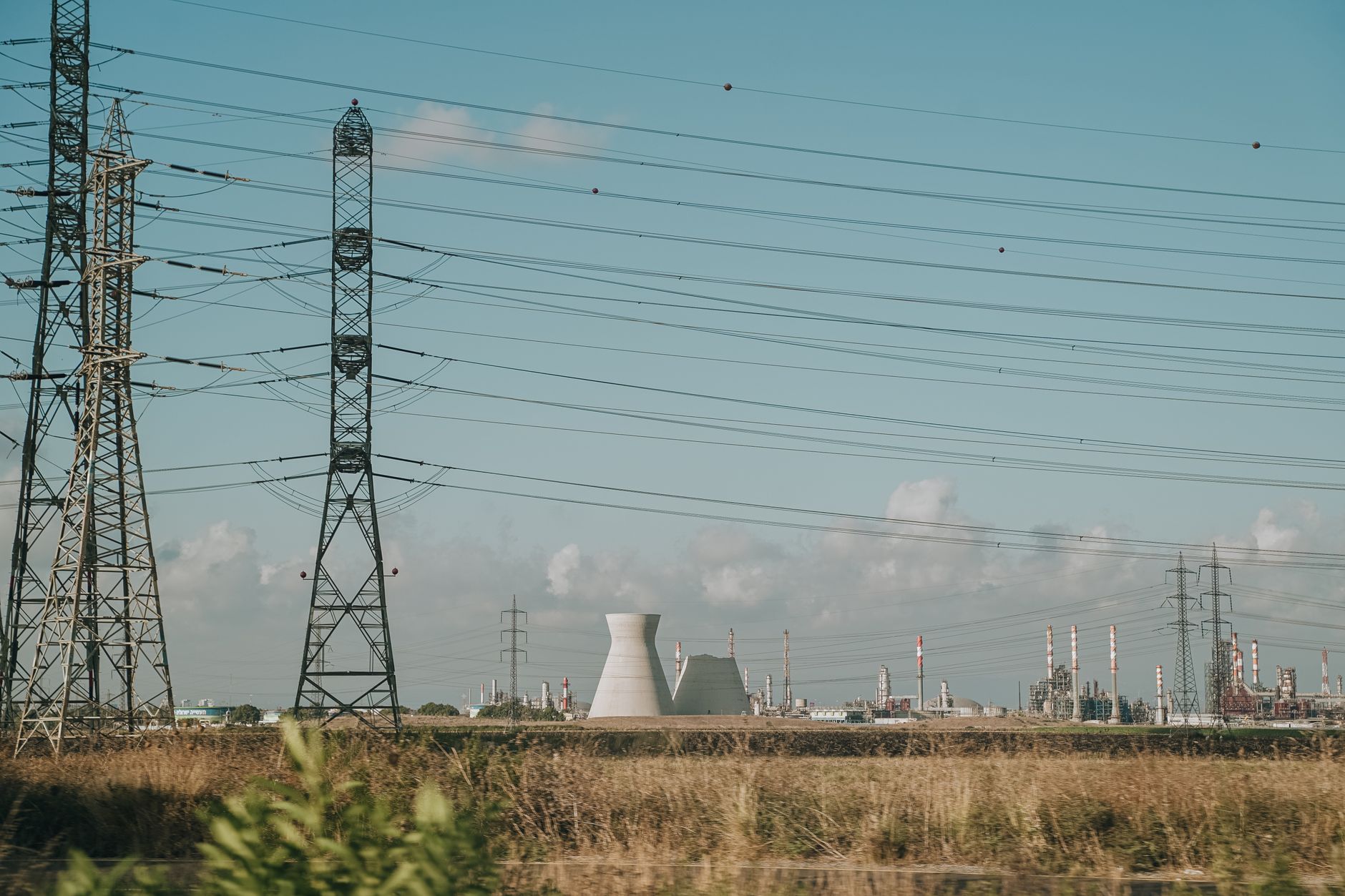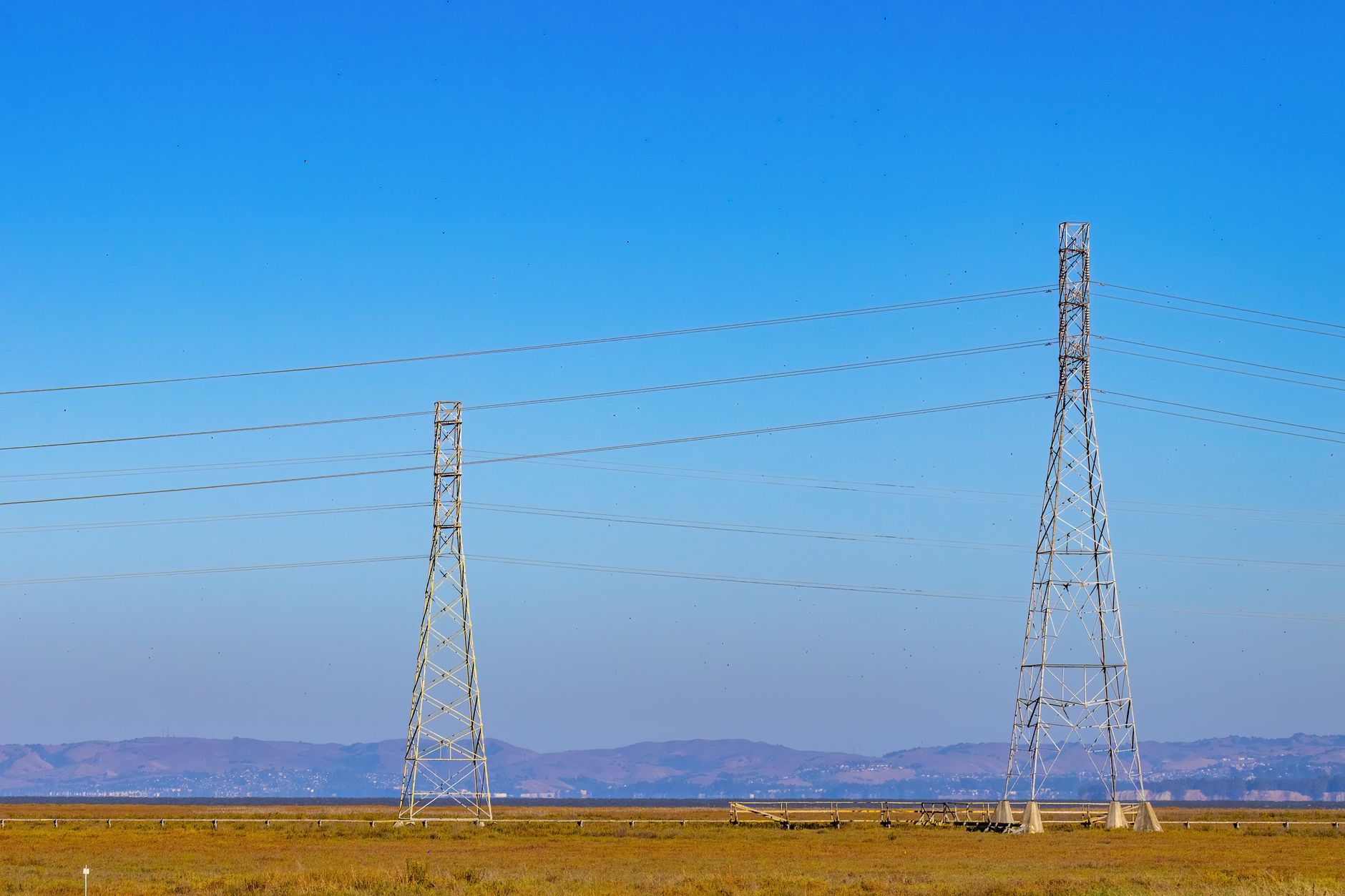
Until the 1990s, natural gas was often flared at the wellhead as an unwanted byproduct of oil production rather than valued as a mainstay of modern power generation. Today it sits at the centre of one of the energy transition’s most consequential investment debates: is it a genuine bridge fuel, or a future stranded-asset liability?
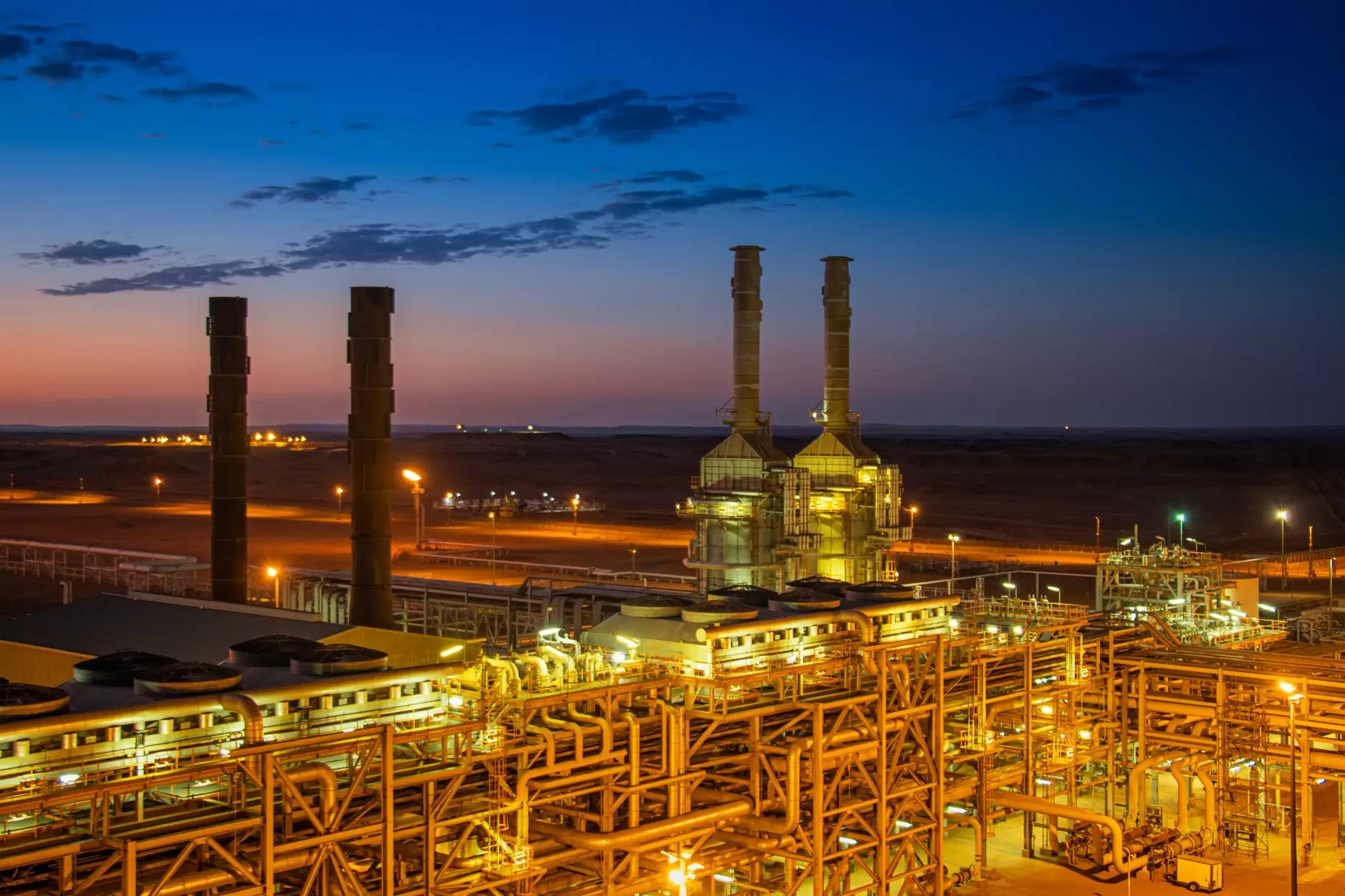
That shift matters because the debate now shapes financing decisions, capacity planning and infrastructure investment across electricity systems that are decarbonising at very different speeds. Gas is cleaner than coal, but the more pressing issue is whether assets built around gas today can earn returns in systems that are already moving toward renewables, storage and electrification.
The Origins of the Bridge Fuel Argument
The bridge fuel concept did not begin as a climate strategy. Its more immediate origin lay in energy security. After the 1973 oil embargo, European utilities and policymakers sought to reduce their dependence on imported oil and saw natural gas—available from North Sea and later pipeline imports—as a way to diversify power generation. Gas was presented as a bridge away from oil dependence. Carbon emissions were not the primary concern.
By the 1990s and early 2000s, the destination of that bridge changed. Natural gas gained favour as a lower-carbon alternative to coal in markets such as the United Kingdom and parts of the United States, where new combined-cycle plants offered substantially higher efficiency than ageing steam turbines. Environmental regulators and some utilities began using the bridge fuel language to describe gas as a medium-term option while renewables matured. The original energy-security rationale quietly merged with a climate narrative.
That history helps explain why the current debate is so difficult. The bridge metaphor has always been elastic. It has pointed toward oil independence, coal replacement and, more recently, renewable integration. Each destination carries different implications for how long gas infrastructure needs to remain useful.
What the Engineering Case Still Supports
Part of gas’s staying power comes from genuine operational strengths. Modern combined-cycle gas plants convert fuel to electricity at higher efficiencies than typical legacy coal units and emit materially less carbon dioxide per megawatt-hour. They can also ramp output quickly, making them well suited to balance short-term fluctuations from wind and solar generation. In cold climates, natural gas provides direct heating and can support combined heat and power, which improves overall energy efficiency.
These characteristics explain why gas is frequently positioned as the default replacement for retiring coal plants. In many Asian systems, gas is central to coal phase-out planning because it offers dispatchable capacity without the decades-long construction timelines associated with nuclear or large hydro. A gas plant can be built comparatively quickly, and its fuel supply can be adjusted to follow demand.
However, the climate advantage is not fixed. Methane leaked during production, processing, transport and distribution is a potent greenhouse gas, though shorter-lived in the atmosphere than carbon dioxide. Even modest leakage rates can erode much of the combustion advantage gas holds over coal. This means the real emissions performance of a gas asset depends heavily on where its fuel comes from and how the supply chain is managed.
That performance is not visible at the plant gate, and lifecycle assessments of gas can vary sharply depending on where the boundary is drawn and how leakage is measured. A facility tied to well-managed production can appear substantially better than coal, while one linked to leaky infrastructure can look worse. The same energy service can therefore carry very different environmental credentials—and very different regulatory exposure—depending on supply chain details that are difficult to verify from the asset itself.
When the Bridge Becomes a Stranded Asset Risk
A stranded asset is an investment that loses economic value before the end of its expected useful life because of policy, market or technology changes. Gas infrastructure is exposed to this risk in several ways, but the risk is not evenly distributed.
For power plants, the core vulnerability is declining utilisation. In markets with high renewable penetration, wind and solar are dispatched first because they have near-zero marginal costs. Gas plants increasingly run only when demand is high or renewable output is low. This shifts their revenue model away from selling large volumes of energy and toward capacity payments, ancillary services and scarcity pricing. Where markets do not adequately reward those services, gas plants can become stranded even if they are still technically needed for reliability.
The problem is compounded by the fact that renewable output has grown faster than many grid planners expected. Gas plants planned in the mid-2010s were often based on demand forecasts that did not fully anticipate the scale of solar and storage cost declines. In some markets, the result has been a mismatch between expected baseline operation and actual dispatch.
The risk is especially visible in emerging economies where coal retirement timelines are front-loaded before grid flexibility catches up. A newly built gas plant may be financed assuming a high capacity factor, but if renewable additions outpace demand growth, that plant could find itself running far less than planned within a few years.
For pipelines and LNG terminals, the time horizon is even longer. These assets commonly have technical lifespans of several decades, and their financing often relies on long-term contracts. A liquefaction terminal planned today may be designed to earn returns into the 2050s, by which time many governments have committed to sharp emissions reductions. If buyers shorten contract durations or shift toward regionally sourced renewables, the terminal’s cash flows weaken.
Distribution networks carry a different kind of stranded-asset risk. Some European cities have begun phasing out new natural gas connections in residential developments. In the Netherlands, for example, network operators have started to decommission older cast-iron mains in areas where the customer base is expected to shrink, rather than replacing them with new gas infrastructure. That is an unusual acknowledgement that some gas assets may never reach the end of their technical life.
The Regional Divergence Is the Real Story
The stranded-asset question cannot be answered at a global level. Different regions face different fuel endowments, demand trajectories and policy commitments.
In Europe, carbon pricing and methane regulations have made new gas-fired generation difficult to finance without a clear role in flexible operations or a future pathway such as hydrogen blending or carbon capture. A number of utilities have pivoted to maintaining existing gas units for reliability rather than building large new combined-cycle plants. Distribution network operators are grappling with decline in residential gas demand as heat pumps and district heating expand. At the same time, grid operators still rely on gas for winter peak demand and periods of low wind, creating an uneasy coexistence between reliability needs and climate policy.
In North America, inexpensive shale gas has kept gas-fired generation economically attractive, and many utilities still view it as essential for reliability. At the same time, long-term decarbonisation targets create uncertainty about the useful life of any new gas plant approved today. Some developers now seek dual-fuel or hydrogen-ready designs, but the commercial case often still rests on natural gas. A few utilities are exploring whether existing gas plants can be paired with carbon capture and storage, though the commercial viability remains uncertain at scale.
In Asia, electricity demand is still growing, and coal remains the largest source of generation in several countries. Gas is attractive because it is cleaner than coal and can be deployed more quickly than nuclear or large hydro. It can also help address local air quality problems that accompany coal, giving it political support even where imported fuel prices are high. Yet many Asian countries are import-dependent, which exposes them to LNG price volatility. Southeast Asian utilities trying to reconcile grid reality with coal phase-out commitments often have limited alternatives to gas in the near term, but they are also signing long-term contracts that could become expensive if cheaper flexibility options scale up.
The Middle East and parts of Africa have different dynamics again. Domestic gas often supports industrial development and desalination, with power generation one part of a broader economic strategy. Stranded-asset risk is less about decarbonisation timelines than about export exposure and the opportunity cost of domestic gas use.
What This Means for Investors and Planners
The practical implication is that the bridge fuel debate is increasingly resolved asset by asset rather than at the level of the fuel itself. A gas peaker in a capacity market with clear reliability payments may remain valuable for years. A baseload combined-cycle plant financed on volume-based contracts in a rapidly renewable market may face early write-downs. The same fuel, the same technology, but very different risk profiles.
Financing structures are adapting. Developers are shifting toward shorter contracts, tolling agreements and portfolio approaches that blend gas with renewables or storage. Lenders increasingly ask how a gas asset would perform in a lower-utilisation scenario, not just how it performs under current dispatch assumptions. Some gas plant owners are seeking revenue from multiple sources—energy, capacity, balancing and ancillary services—rather than relying on any single stream.
For regulators, the challenge is to recognise both the reliability services gas still provides and the risk of locking in infrastructure that may outlive its economic or policy support. This is especially acute in systems where coal is retiring quickly. The same flexibility that makes gas useful today can also shape how it is compensated, and how easily it can be replaced later.
Storage has become a more direct competitor to gas peakers in several markets. Batteries can respond faster for shorter durations, while demand response and interconnections can reduce the need for new gas capacity. Batteries generally compete for shorter-duration services, while multiday resilience remains a gap that gas or hydro often fills. Each improvement in storage economics narrows the range of services for which new gas capacity is essential.
A Role That Shrinks Slowly but Unevenly
Current evidence does not point to a single, simultaneous exit from natural gas. Renewables and storage are scaling quickly in many markets, but electricity demand is also growing in parts of Asia, Africa and the Middle East. Gas is likely to remain relevant for reliability and industrial use in those regions for longer than in Europe or parts of North America. The more useful question is which specific gas investments can adapt to systems that are changing around them.
That is a less satisfying answer than declaring gas a winner or a loser. It is also closer to how investment decisions are actually made. A gas plant with flexible operation, access to capacity payments and a credible future conversion pathway can remain financeable even under strict decarbonisation. A pipeline or terminal built on assumptions of permanently growing demand faces a different risk altogether.
The bridge fuel label has always been a metaphor rather than a technical classification. The asset-level reality is messier. Some gas infrastructure is likely to become redundant before its planned retirement date. Other units may operate profitably for decades precisely because they help manage the variability that renewables introduce. Understanding which is which requires looking beyond the fuel label and into the contracts, markets and grid needs that shape each asset’s useful life.
References
- IEA — World Energy Outlook: used for general context on natural gas demand and power sector trends.
- Ember — Global Electricity Review: used to inform discussion of renewable generation growth and its effect on gas-fired utilisation.
- IPCC — Sixth Assessment Report: used for methane leakage and its impact on the climate advantage of natural gas.
- BloombergNEF — levelized cost of electricity analysis: used for relative cost comparisons between gas, renewables and storage.