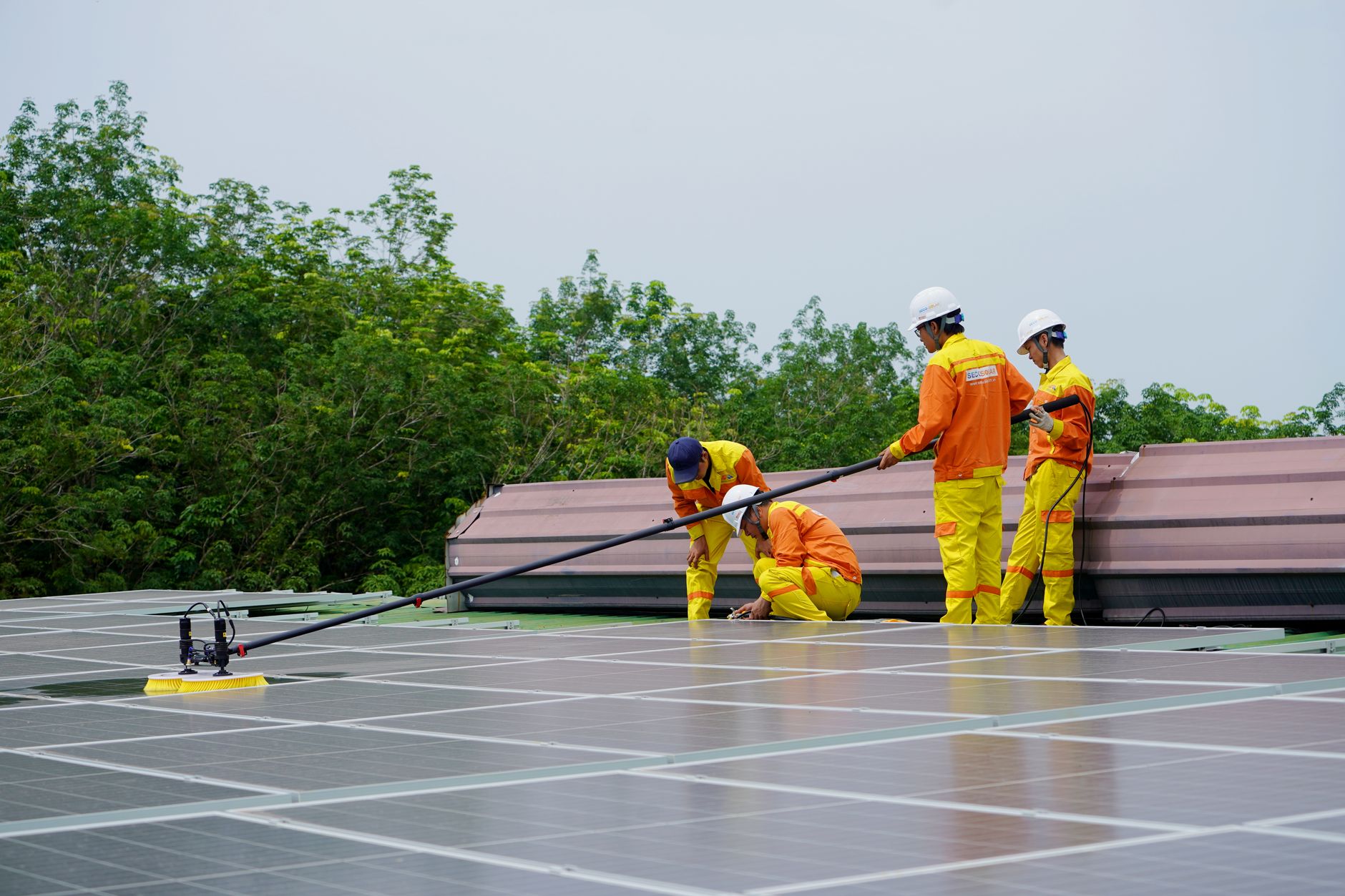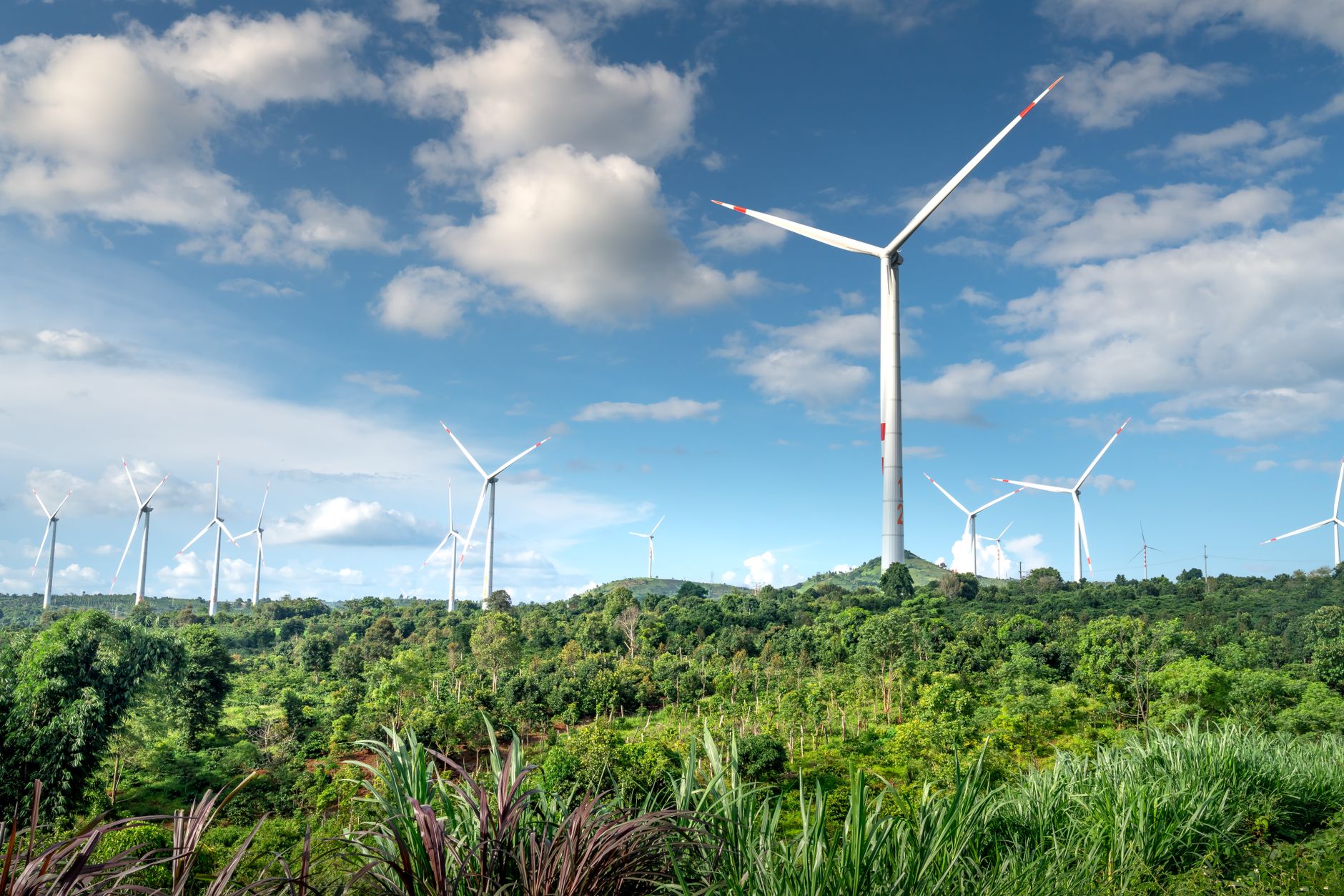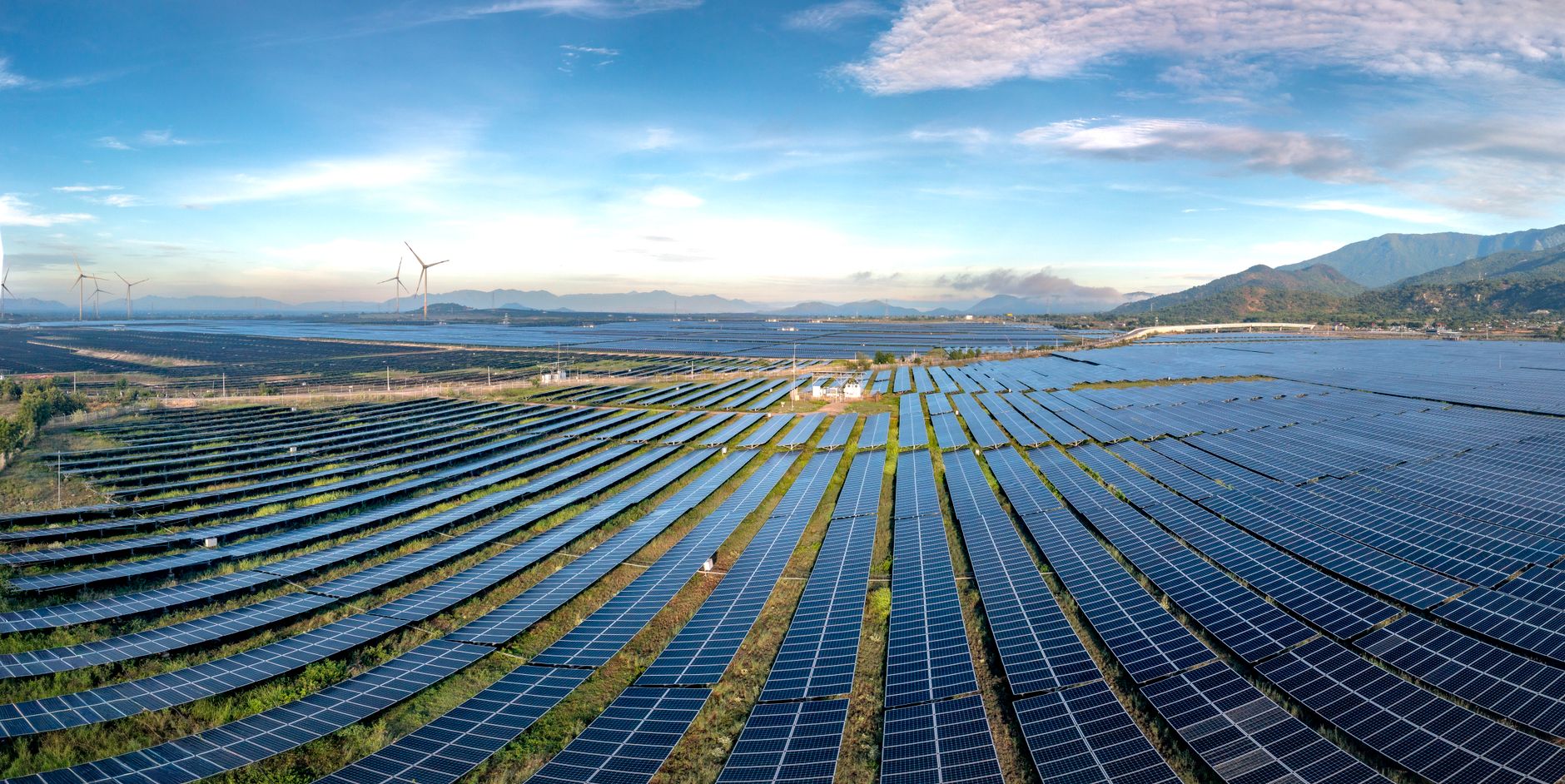
A solar farm can move from lease signing to commercial operation in under two years. The transmission line needed to connect that same project often spends the better part of a decade moving through planning, permitting, routing negotiations, environmental review and cost-recovery proceedings before construction starts. Those two timelines sit side by side in the same interconnection queue, and they point to a question that runs through transmission planning: why does it take so long to build transmission when the generation it serves can be completed in a fraction of the time?
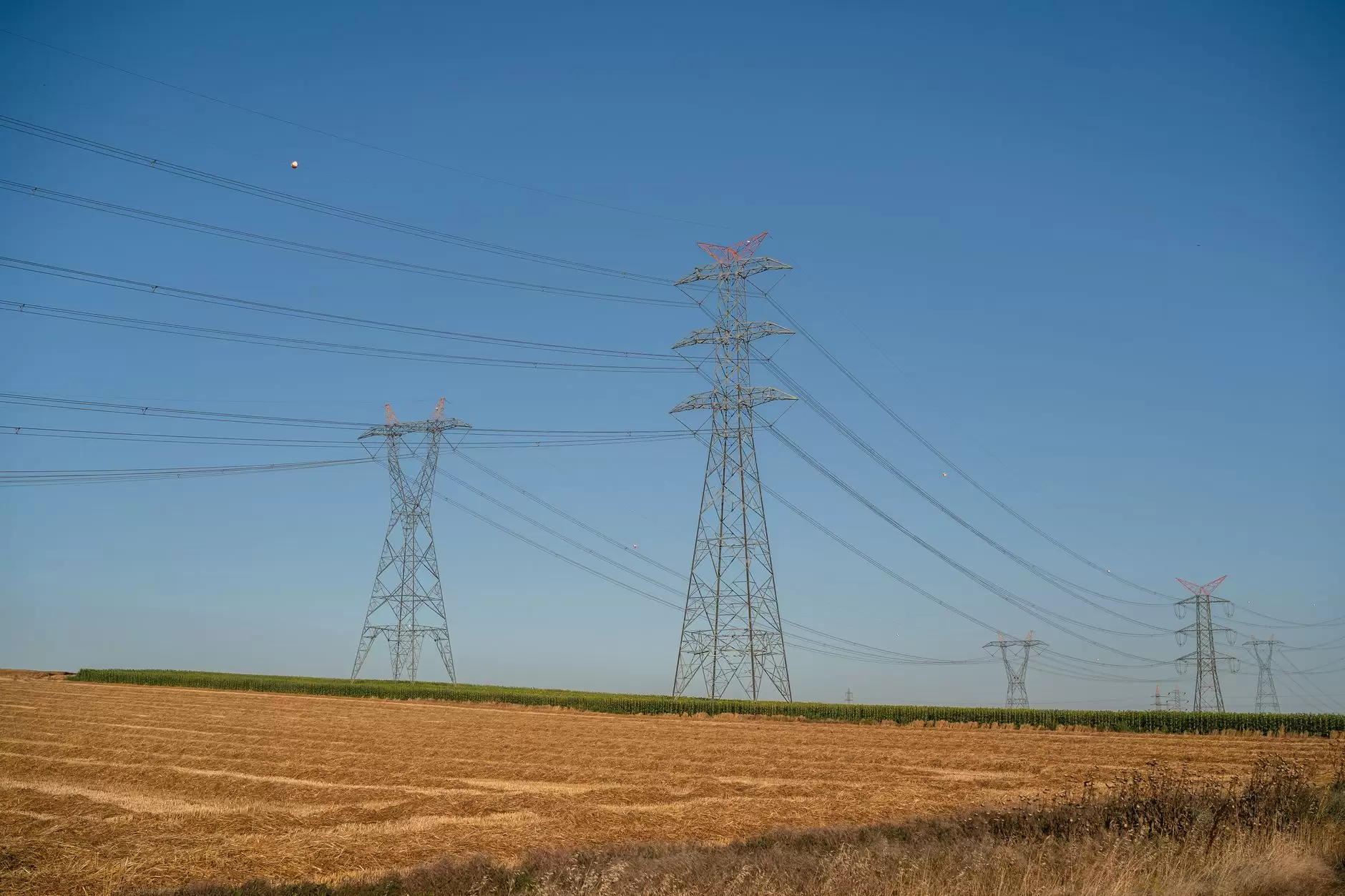
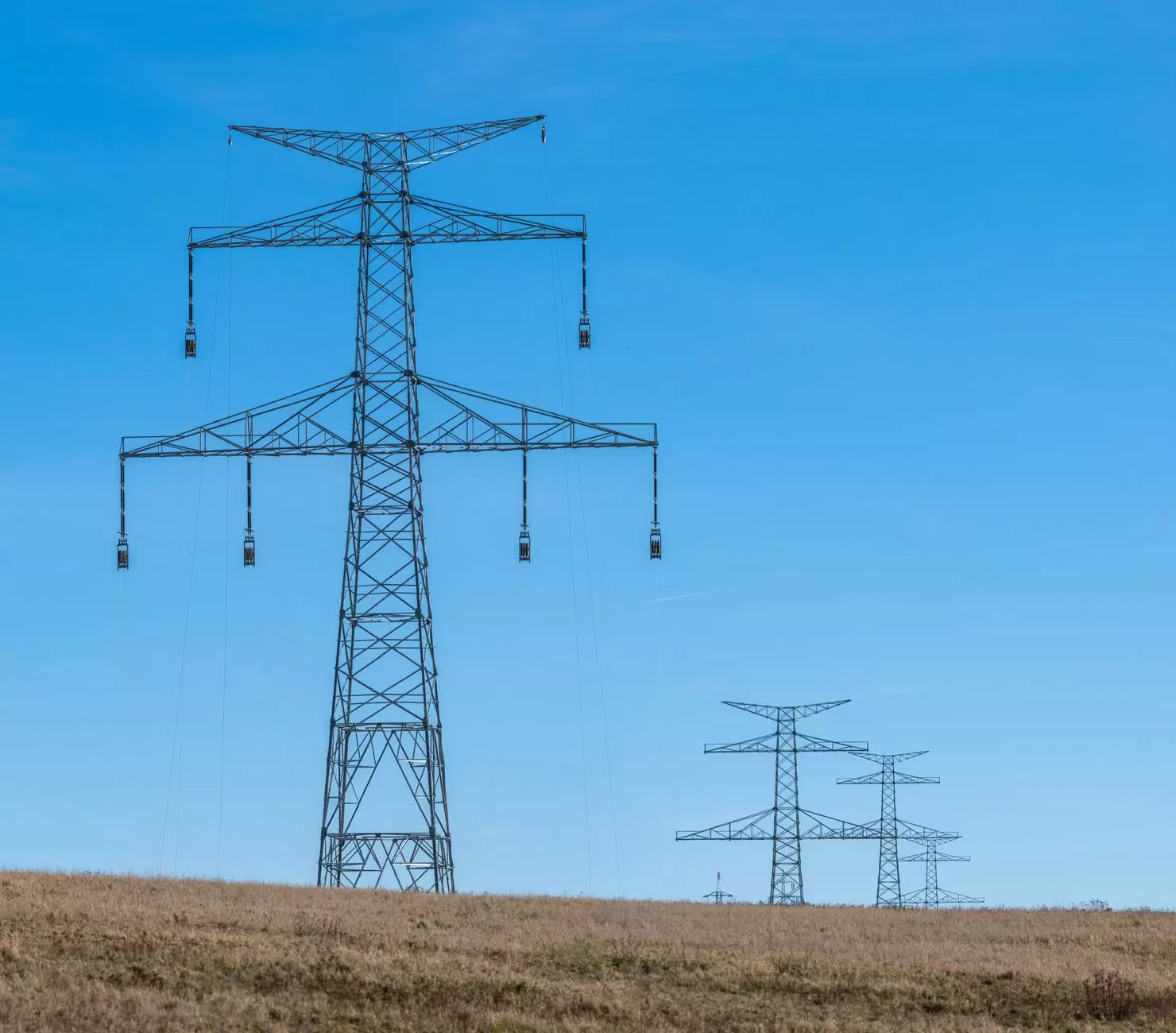
The gap reflects the nature of the two assets. A solar project is a modular asset installed on a single site. A transmission line is a linear asset that crosses dozens or hundreds of properties and jurisdictions at once. The linear route multiplies the number of approvals and property interests, which extends permitting and routing timelines at each stage. The power system is therefore trying to connect fast-moving generation to slow-moving infrastructure.
The result is visible in interconnection queues that contain far more proposed capacity than existing grids can connect in the near term. Many generation projects have development timelines measured in months, but their grid connection dates depend on a process originally built around a smaller number of long-lived, centralised assets.
Two Asset Classes, Two Decision Processes
A solar farm is a standard product assembled from proven components and governed largely by local land-use rules. Once a developer secures a site, obtains permits and reaches financial close, construction can follow quickly. For many solar projects, the main uncertainties are commercial rather than procedural, though site-specific permitting and grid connection requirements still matter.
Behind the procedural difference is a structural one. Generation developers can build merchant projects and carry the risk themselves. Transmission is typically built by regulated entities under cost-of-service frameworks, with investment decisions subject to regulatory approval before costs are recovered. That distinction means transmission investment depends on a different set of decisions and time horizons.
A transmission line is bespoke. Its route, voltage, tower design and land assembly are unique to the landscape it crosses. The permitting process cannot follow a single template because each corridor raises different landowner, habitat and community concerns. A standardised review would struggle to account for those specific objections and trade-offs.
Transmission planning also remains deliberative because it must allocate costs across multiple beneficiaries and account for environmental and land-use conflicts. Planners are not designing for a single project; they are reshaping the network for a generation mix that is itself uncertain. The IEA’s Electricity Grids and Secure Energy Transitions report documents that grid investment has not kept pace with renewable capacity additions, which is one reason the mismatch has widened.
The transmission system was originally designed around large, centralised thermal plants with predictable output and fixed locations. Interconnection rules, grid codes and planning assumptions inherited that structure. Much of what looks like administrative delay in transmission permitting is a legacy of a system built to deliberate over a small number of large, long-lived assets.
Interconnection Queues Turn Cheap Options Into a Backlog
Where formal queues exist, an interconnection queue is the ordered set of projects awaiting study and connection. Many markets allow a developer to enter with modest study fees and limited financial commitment. From an individual developer’s perspective, that is rational: a request costs less than the option value of keeping a site alive.
From a system perspective, it fills the queue with projects that may never be built, slowing study time for everyone. The queue operates less like a construction schedule and more like a low-cost option market. Reforms such as FERC Order 2023 in the United States have introduced cluster study approaches and financial readiness requirements, but clearing the backlog accumulated over years takes time.
Curtailment is one immediate consequence. In parts of China’s western provinces, high-quality renewable output has at times been curtailed because transmission capacity lagged. In Chile, excellent solar resources in the Atacama Desert connect to the main grid through constrained corridors, making curtailment a regular operational feature. Each curtailed megawatt-hour is capital already spent that cannot reach load.
Less visible is the effect on investment risk. A project facing a multi-year queue before connection carries considerably higher development risk than one with firm interconnection within a couple of years. That risk is priced into financing, and at some point marginal projects drop below bankability. The queue data then overstates how much generation is actually on the way.
The transmission deficit also shapes the economics of existing generation. When new renewable capacity cannot reach load centres, an older thermal plant that would otherwise be uneconomic may keep running because it is already connected. The transmission infrastructure serving it was often built decades ago and is fully depreciated. Keeping that plant running a few more years can cost less than building new transmission to replace it with cleaner generation, even when the environmental case for replacement is compelling.
Reform Attempts Address Different Parts of the Problem
Responses vary by jurisdiction because institutions differ. The European Union’s TEN-E framework, supported by ENTSO-E’s Ten-Year Network Development Plan, identifies priority corridors and streamlines permitting for Projects of Common Interest, though implementation varies across member states. The framework sets deadlines and priority status, but national authorities still conduct the underlying reviews, which is why even priority projects can face delays. The United Kingdom has moved toward anticipatory investment for offshore wind, building transmission ahead of generation rather than waiting for individual connection requests.
In parts of Australia, the regulatory framework allows network businesses to build transmission into high-resource regions before generation developers commit, accepting upfront risk. These approaches tackle different constraints: permitting delays in the EU, phasing mismatch in the UK, and the chicken-and-egg problem in Australia. They do not generally resolve the underlying tension completely, but they reduce specific frictions in their own systems.
Cost allocation remains one of the hardest institutional problems. A line connecting a wind-rich region to a distant load centre may cross multiple states or provinces with different beneficiaries and regulators. The negotiations over who pays can add years even when the project is approved. Some of the costs may then be recovered across a broader customer base, creating distributive questions that are difficult to resolve purely on technical grounds.
Advanced technologies help at the margin. High-voltage direct current moves power farther with lower losses. Grid-enhancing technologies such as dynamic line rating and power flow control can extract more capacity from existing corridors. These tools do not eliminate the need to build new lines where none exist, but they can narrow some constraints without new construction.
Closing the Gap Means Changing Planning Institutions
In many cases, the binding constraint is institutional rather than technical. Generation developers lack authority over transmission. Utilities cannot reform permitting alone. Regulators generally cannot allocate costs across jurisdictions that do not answer to them. Progress requires coordination across institutions that were not designed for this speed and scale.
Some jurisdictions are adjusting faster than others, and the differences are already shaping where renewable investment concentrates. Countries and regions that close the gap more effectively tend to be those whose planning institutions adapt quickly, rather than simply those with strong renewable resources or ambitious decarbonisation targets.
New hardware alone does not narrow the transmission deficit where entirely new corridors are required. Grid-enhancing technologies can relieve some constraints on existing lines, but they cannot substitute for missing routes. The deficit narrows when planning, permitting and cost-recovery arrangements move at a speed closer to the generation they are meant to serve.
Construction itself is often not the longest phase. Once a route is approved and land is acquired, stringing conductor and erecting towers can often be completed in a few years. For many projects, most of the decade is spent in the pre-construction phase: studies, consultations, hearings, route revisions and cost-recovery proceedings. Shortening the timeline therefore means shortening the front end, not accelerating construction.
That mismatch is structural rather than technical: a generation project can be financed, built and energised in a few years, while the network reinforcements it depends on pass through successive approval stages, each with its own consultation and route. Closing that timing gap, and settling who carries the cost of anticipating demand that has not yet arrived, remains the central challenge for the coming phase of grid expansion.
References
- IEA — Electricity Grids and Secure Energy Transitions (2023): context on grid investment lagging renewable capacity additions and planning lead times.
- FERC Order No. 2023 — Improvements to Generator Interconnection Procedures and Agreements: U.S. interconnection queue reform provisions including cluster studies and financial readiness requirements.
- ENTSO-E — Ten-Year Network Development Plan: European cross-border transmission planning framework and priority corridors.