For most of the past two decades, electricity demand in many advanced economies was flat or declining. Utilities planned around efficiency gains, deindustrialisation and the offshoring of energy-intensive production. Load growth was weak enough that some planning studies treated it as a rounding error. That assumption no longer holds.
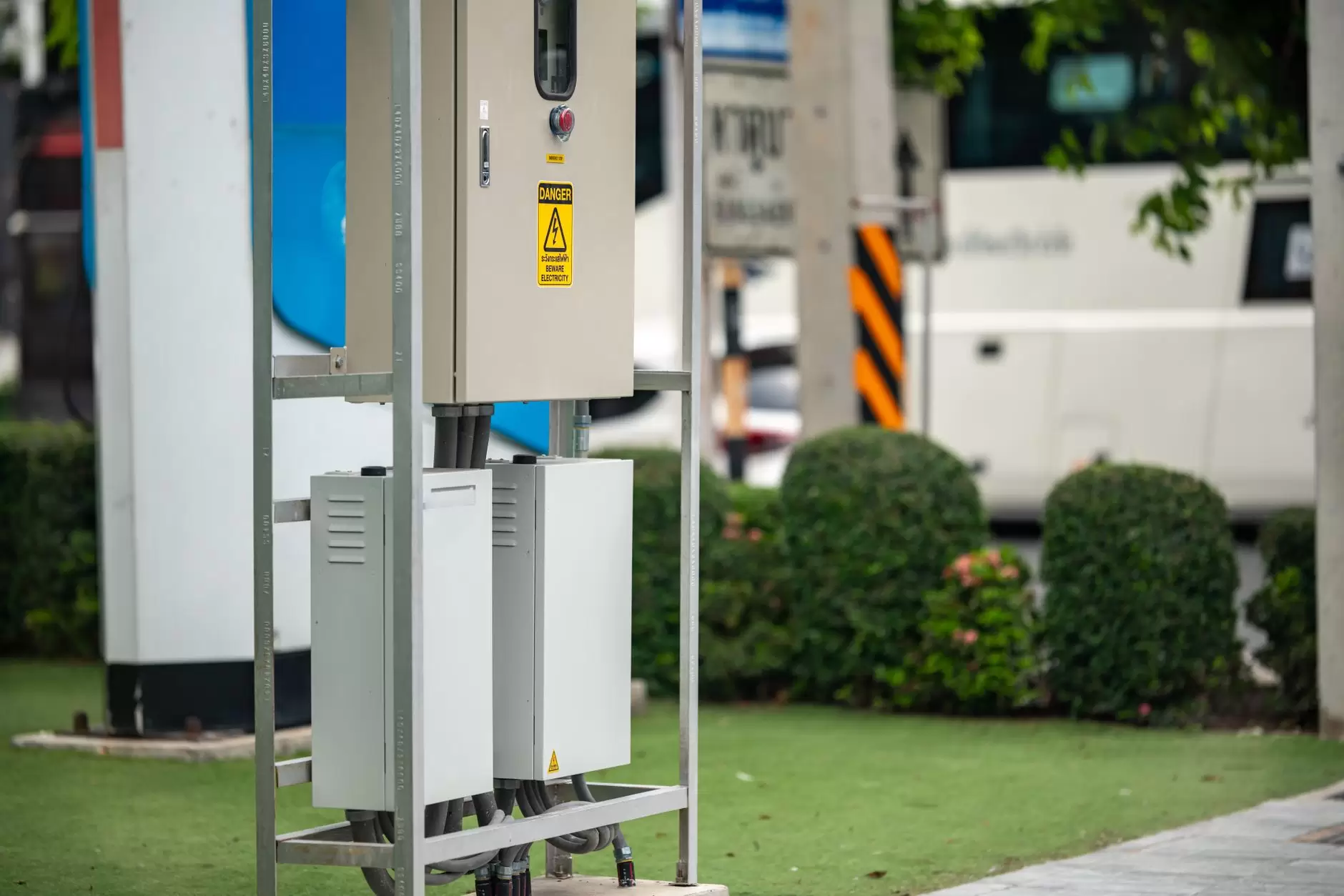
Electric vehicles, heat pumps and industrial electrification are now adding load in ways the system has not seen for decades. Data centres have added another layer in certain regions. The change involves not only higher annual consumption but a shift in where demand appears, when it peaks and how it interacts with distribution infrastructure.
This matters because grids are built around peak demand, not average energy. A transformer or feeder must be sized for the worst half-hour of the year, not the annual total. When electrification pushes those peaks higher, the constraints appear first at local level, often before they show up in national statistics.
This article brings together the demand questions that arise most often in practice. It covers which loads are growing, why their timing matters more than their size, how the legacy of the existing grid shapes the response, and where planners are looking for flexibility. The sections can be read in any order depending on what the reader most needs to understand first.
Growth is also uneven across regions. In some emerging economies, air conditioning remains a stronger demand driver than electric vehicles. In parts of Europe, heat pump adoption is reshaping winter load. Understanding these differences helps explain why a single electrification forecast is not useful for grid planners.
The rest of this article treats electrification as an engineering and planning challenge rather than a promotional story. It explains the distinction between annual energy and peak demand, why distribution infrastructure is often the first physical limit, and what network operators are doing to accommodate new loads without waiting years for reinforcement.
Why Electricity Demand Stopped Shrinking
Between 2010 and 2020, electricity consumption in many OECD countries stayed roughly flat. Energy efficiency programmes reduced lighting and motor loads. Economic growth shifted toward services. Offshoring moved some energy-intensive manufacturing abroad. These trends suppressed demand even as economies expanded. It was a period of structural decline in per-capita electricity use in several countries.
That pattern began to change around 2022. IEA analysis and BloombergNEF research show global electricity demand returning to growth, driven by air conditioning in emerging economies and electrification in advanced ones. The return is not concentrated in one country or one technology. It is the combined effect of multiple sectors moving from direct fossil fuel use to electricity at the same time.
The shift reverses a decade of stable planning assumptions. Utilities had grown accustomed to low load growth. Regulators had built incentive frameworks around efficiency. Network investment was often focused on replacing ageing assets rather than expanding capacity. The new demand wave is changing that calculus. The slow, predictable grid of the 2010s is not the one now being planned for.
The Three Loads Reshaping Demand
Three categories account for most of the new electricity demand in advanced economies: transport, buildings and industry. Each has a different load shape, a different location pattern and different consequences for grid infrastructure. Treating them as one undifferentiated block of new demand would obscure the engineering choices that follow.
Electric Vehicles
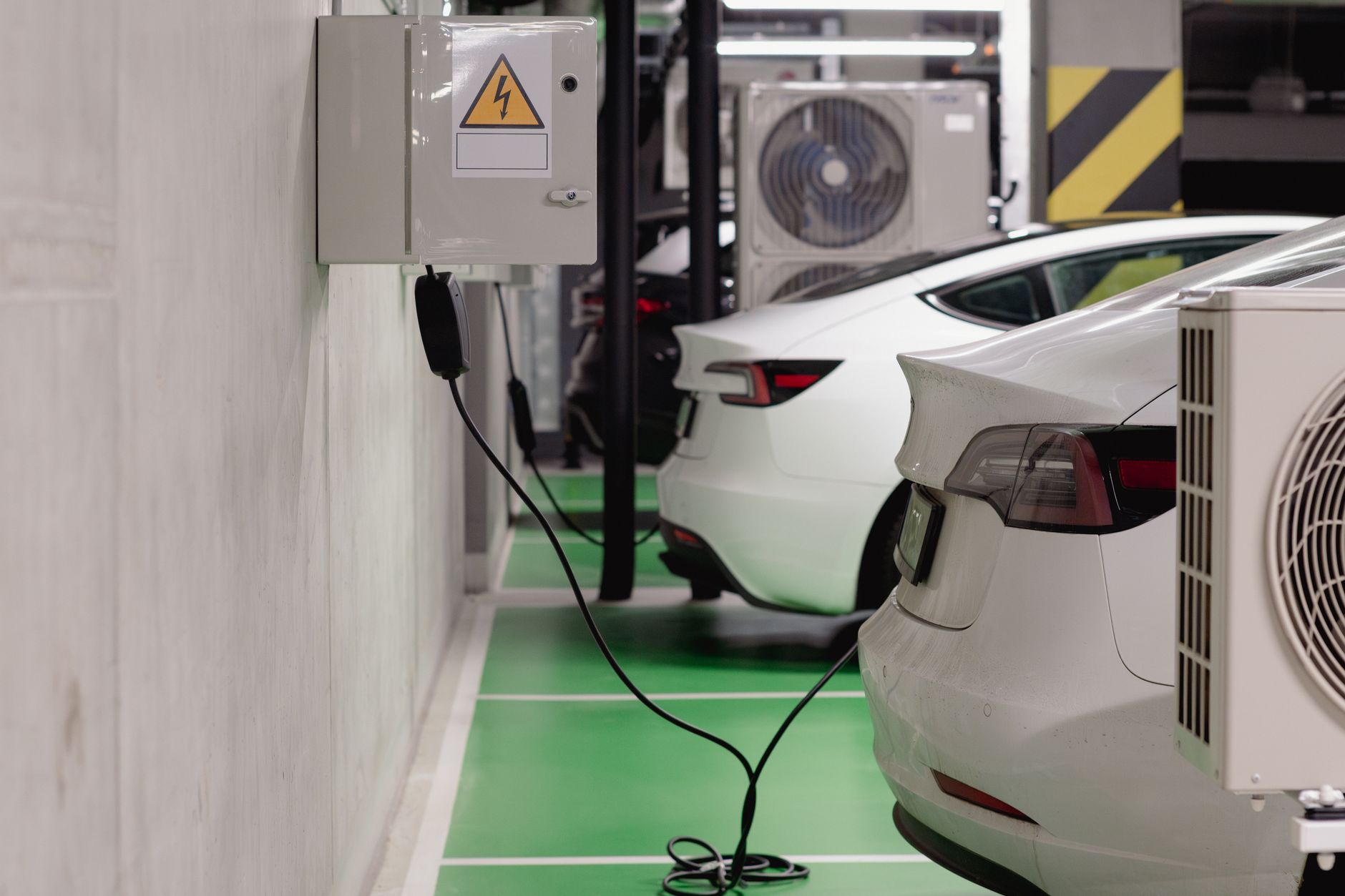
EV charging loads are concentrated in both time and space. Most drivers plug in when they arrive home in the evening, which overlaps with existing evening peaks. The first bottleneck is often a distribution transformer rather than a high-voltage line. A single ultra-fast charger represents a load comparable to the evening demand of dozens of homes, and clusters of chargers at highway rest stops or depots can exceed what the local feeder was designed to carry.
This is an operational observation rather than a promotional one. Even where total annual EV electricity use is modest, the instantaneous draw can be high. Fleet depots that charge large numbers of commercial vehicles overnight create a different pattern, but they still concentrate load in one location. Managed charging and vehicle-to-grid interaction deserve their own article; the short version is that until incentives change, drivers plug in when they park.
Heat Pumps
Heat pumps move heating demand from gas networks to electricity networks. That shift changes the shape of winter load. In cold-climate systems, the heating season peak grows relative to the cooling season peak. The extra load also depends on outdoor temperature, which means grid planners must account for weather in a way that gas networks did not.
The distribution effect can be sharper than the national effect because heat pump adoption clusters in certain neighbourhoods and housing types. A street with high uptake can push local transformers beyond their design limits even when the system-wide demand increase looks manageable. The cold-weather performance of heat pumps and its interaction with grid planning is a subject best treated separately.
Industrial Electrification
Some industrial processes that used gas or coal are shifting to electric heat, electric boilers or electric arc furnaces. These loads are often large, continuous and located at existing industrial sites. They can be easier for grid operators to forecast than millions of small devices, but they require dedicated connection upgrades and often trigger reinforcement costs at the transmission level.
Unlike EV charging, industrial electrification usually presents a steady base load. That can improve the utilisation of existing assets, but only if the grid connection and local network can absorb the additional megawatts. Where the industrial site is remote or the local network is already congested, the cost of connection can become the deciding factor in the project’s viability.
Peak Demand, Not Just Annual Energy
The distinction between energy and peak is central to understanding why this load growth is different. Annual consumption can rise modestly while evening peaks rise sharply because new loads coincide with existing demand. EV charging and heat pumps both tend to peak in the early evening, which is already one of the highest-load periods in many systems. That coincidence can turn a few percentage points of annual energy growth into a much larger increase in required capacity.
Distribution utilities experience this first. Transformers that were sized for a historical peak can become overloaded when a cluster of homes adds EVs and heat pumps. The upgrade path is not just a matter of replacing one device; it can involve new feeders, new substations and revised planning assumptions. This is a local problem that national demand statistics can hide.
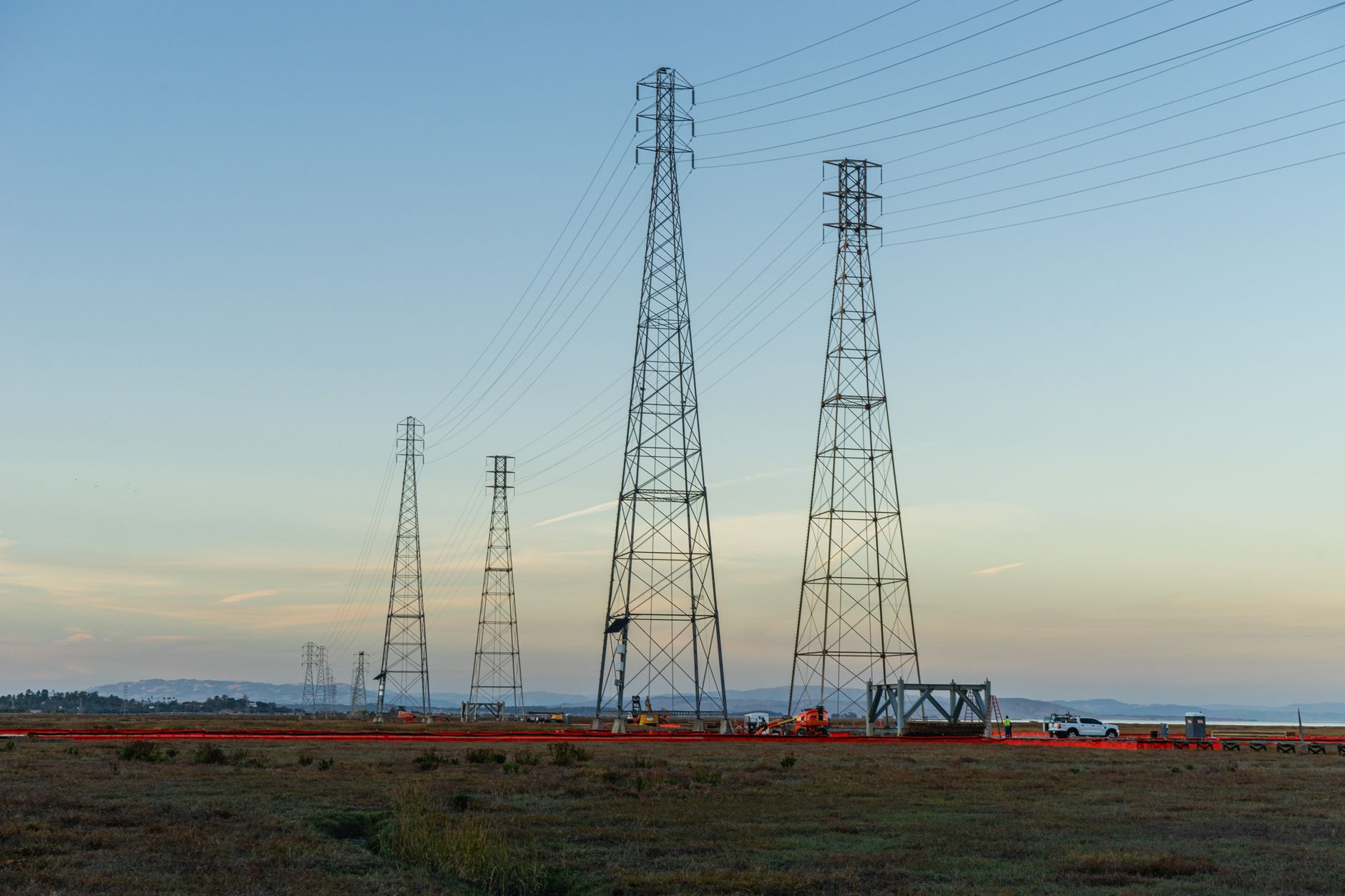
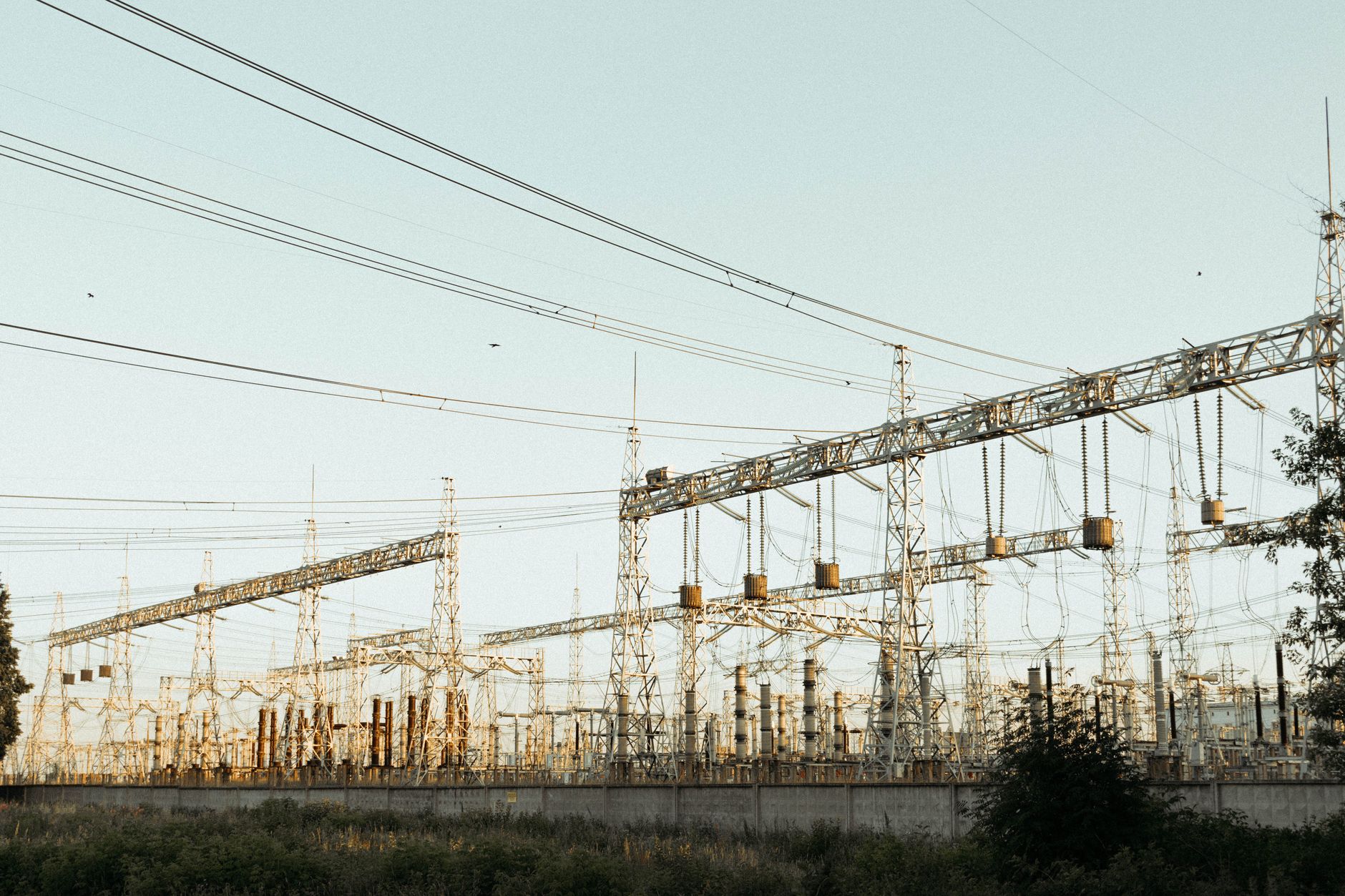
Transmission planners face a different version of the problem. New large loads such as data centres or industrial sites often request connection at specific locations where the existing network may not have spare capacity. The queue for new connections has become a constraint in several markets, and the process of studying and approving connection requests can take years. Interconnection queues deserve their own article; the short version is that load connections are beginning to compete with generation connections for the same grid capacity.
The Historical Legacy That Makes This Harder
Most of the current grid was built around centralised generation and load growth that followed economic expansion and air conditioning adoption. Planning methods, interconnection rules and grid codes inherited that assumption. The system was designed so that power flowed from large plants through transmission and distribution networks to consumers whose demand was predictable within a narrow range.
That legacy shows up in several ways. Connection standards often assume a customer’s maximum demand is stable and well understood. Load forecasting tools were built around weather-driven cooling demand and classic industrial baseloads. Distribution transformers were sized for a typical suburban home with a gas boiler and a petrol car. None of those assumptions are wrong in themselves; they simply describe a different system than the one now emerging.
What feels like red tape around new load connections makes sense once you see what the original system was designed to do. A distribution utility cannot simply approve a large new load without studying whether the upstream network can handle it. The study process is slow, but it exists to protect reliability. The challenge is that the volume of new requests has outpaced the processes that were built for a slower era.
Regional Differences In How This Plays Out
Electrification is not happening at the same speed everywhere. In parts of Europe, electric vehicle sales have grown quickly, while in many emerging economies the main electricity demand driver remains the growing use of air conditioning. Heat pumps are spreading fastest in Scandinavia and other cold-climate regions where policy and electricity prices make them attractive. The grid implications differ accordingly.
In markets with strong distribution networks, the near-term constraints tend to appear at local transformers and feeders. In markets with less developed networks, the constraint may be generation adequacy or transmission capacity first. This difference explains why one country’s electrification plan may focus on flexible tariffs while another prioritises new substation investment or additional generation. AEMO’s integrated system plan has identified electrification as a central driver in some scenarios.
What Grid Planners Are Doing Now
Planners are moving from treating electrification as a distant scenario to including it in base-case demand forecasts. The tools include updated load models, more granular data from smart meters, and new connection processes that require customers to provide better information about their expected load shape. Some regulators are asking utilities to publish hosting capacity maps that show where new loads can be connected without reinforcement.
Flexibility plays a growing role. Time-of-use tariffs can shift EV charging away from the evening peak. Managed charging programmes allow a utility or aggregator to control when vehicles charge. Heat pump controls can pre-heat homes before peak periods. These measures do not eliminate the need for network investment, but they can reduce the amount of capacity that must be built and paid for. IRENA has documented the role of demand-side flexibility in managing electrification.
At transmission level, dynamic line ratings and other grid-enhancing technologies are being applied to existing lines rather than building new ones. This is not a solution to all constraints; it addresses thermal limits but not voltage or stability issues. The interplay between flexible demand and network reinforcement remains an active area of commercial and regulatory debate.
Where to Go Next
The central takeaway is that electricity demand growth has returned, but its character matters more than its size. A kilowatt-hour used by an EV at midnight has different grid consequences than a kilowatt-hour used at 7 pm. The second point is that the distribution network, not the transmission system, is often where the first physical limits appear. The third is that load growth is now being planned for, but the tools and processes lag behind the pace of change.
If the load-shape questions are what brought you here, the most useful next read is the article on managed charging and demand flexibility, which walks through how tariffs and controls can move consumption to periods of low system stress. If the connection backlog is the main concern, the separate treatment of interconnection queues explains why the backlog exists and what regulators are doing about it. If the interest is the physical network itself, the article on grid-enhancing technologies covers how existing lines can carry more current before new construction becomes necessary.
References
- International Energy Agency — Electricity 2024 and World Energy Outlook analysis of global electricity demand trends and electrification drivers.
- BloombergNEF — research on electric vehicle charging load profiles and heat pump adoption patterns.
- IRENA — analysis of demand-side flexibility and renewable electrification in energy transition scenarios.
- Australian Energy Market Operator — Integrated System Plan demand scenarios incorporating electrification.