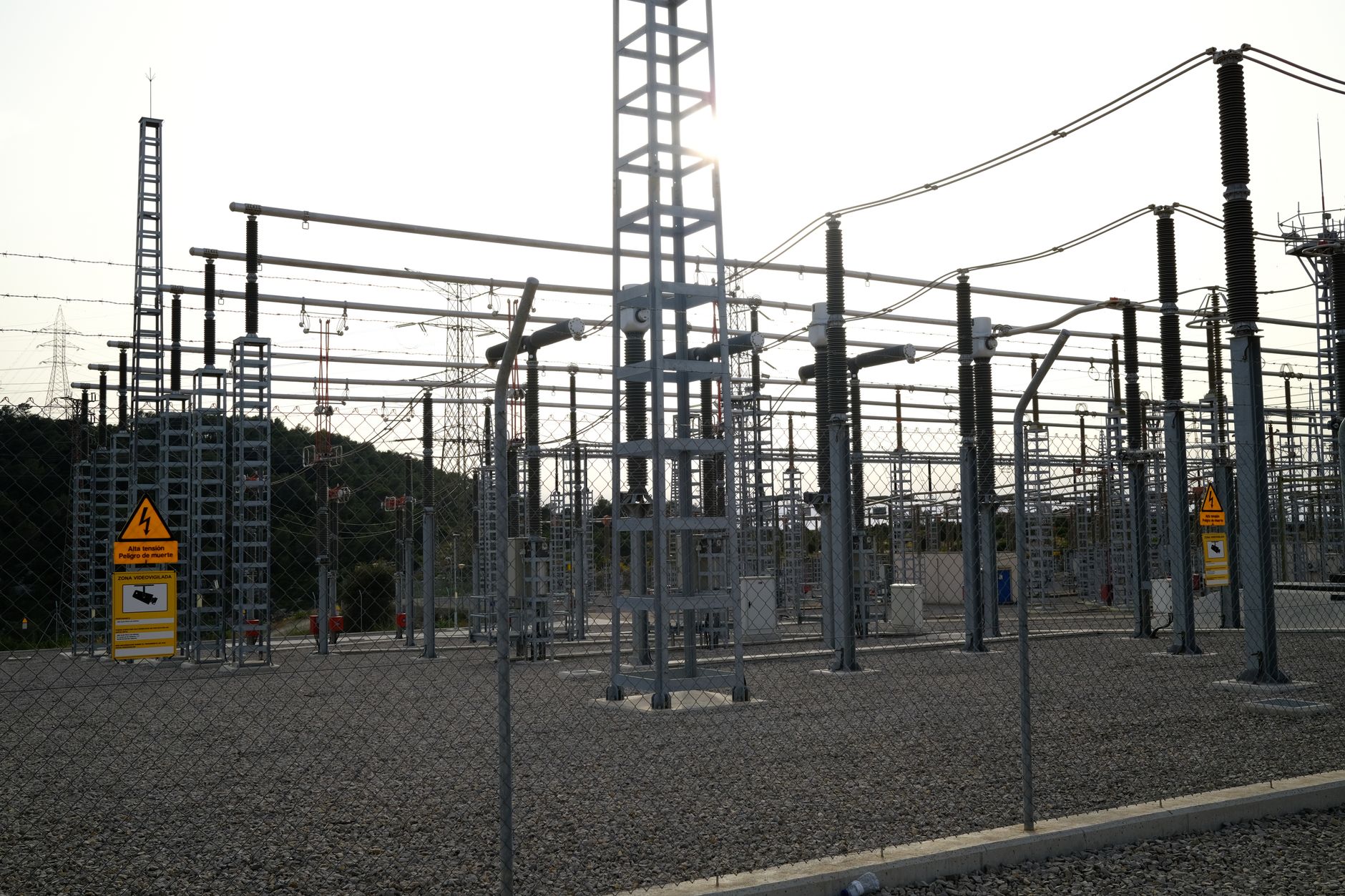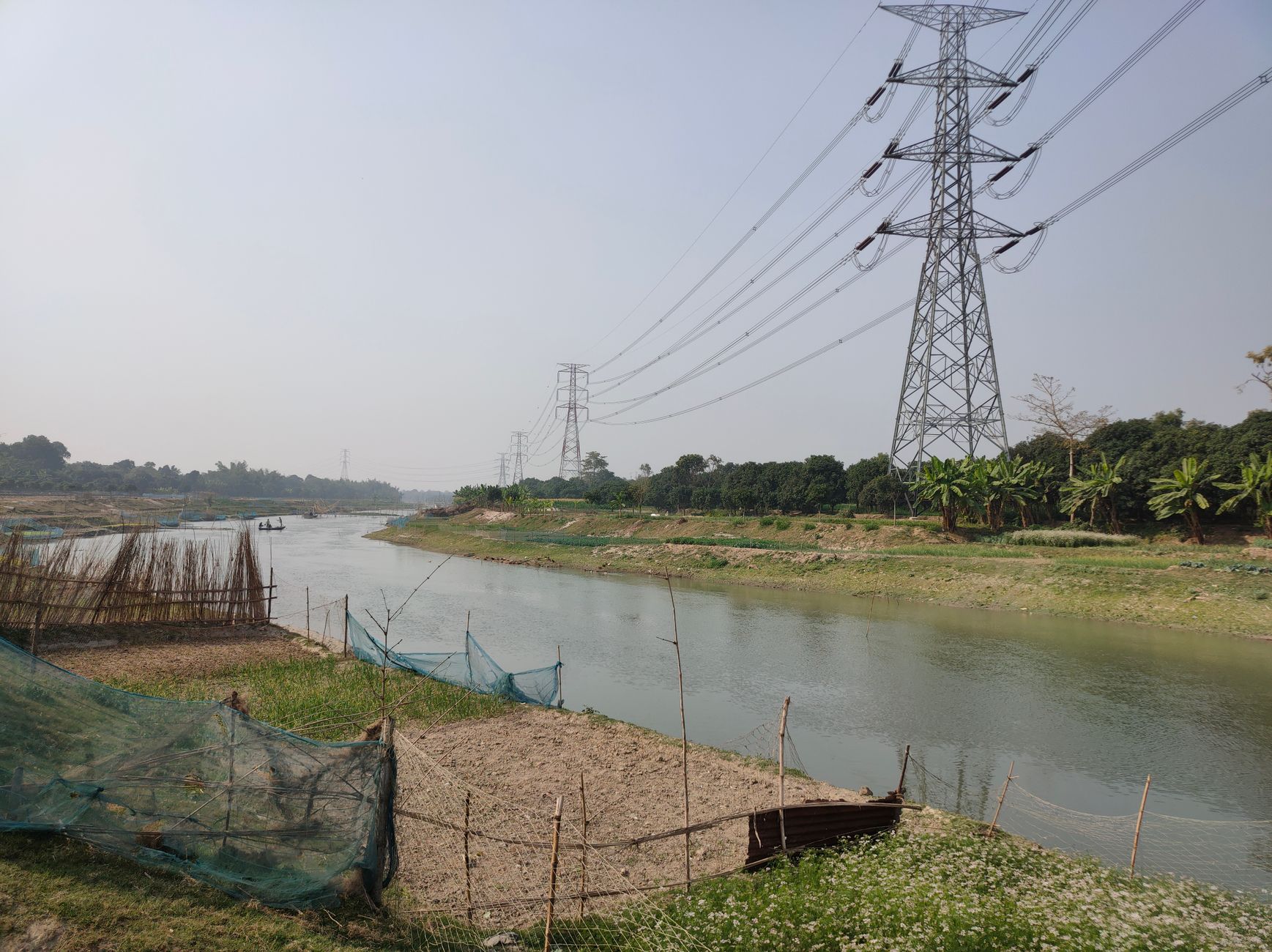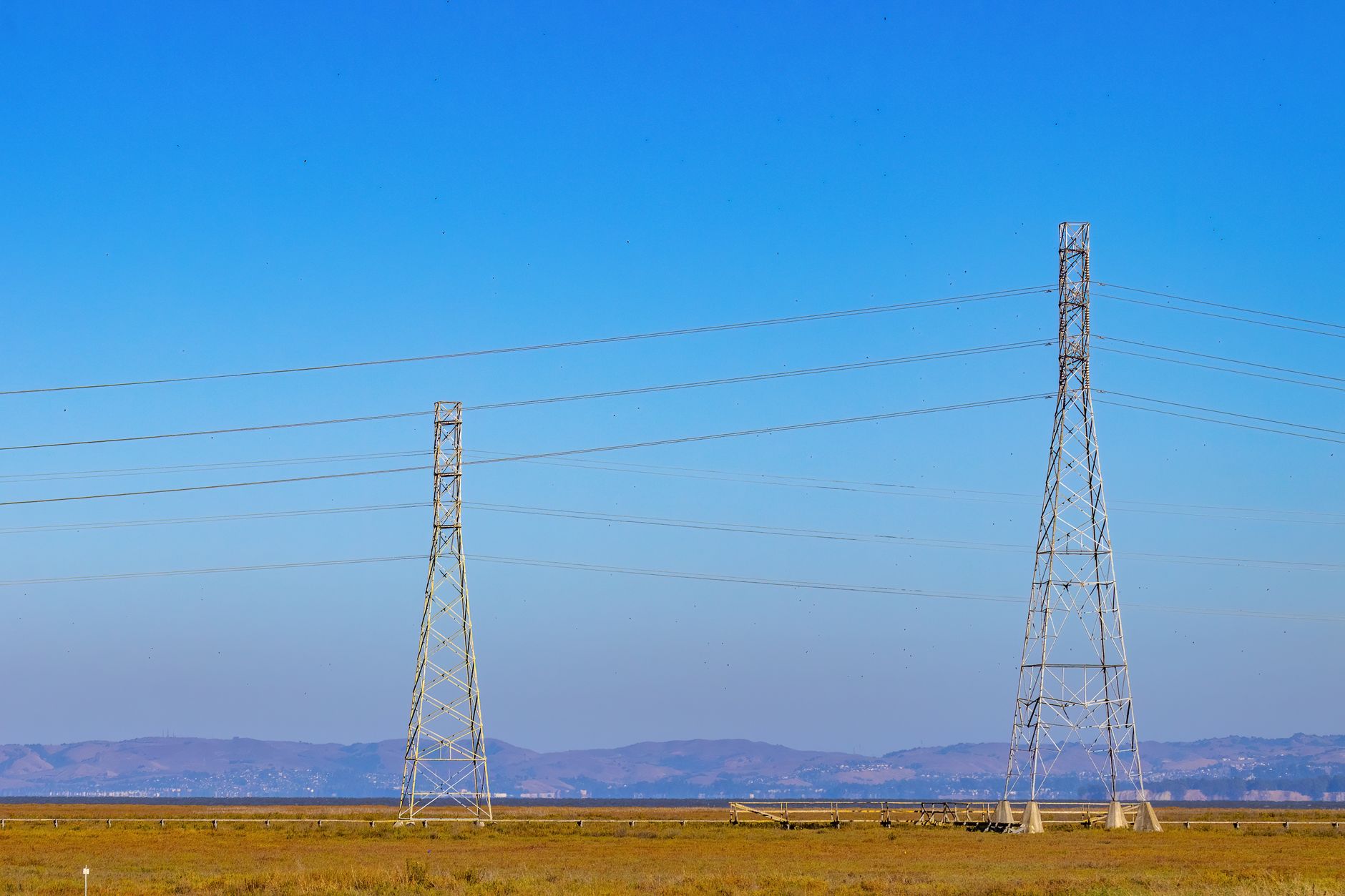
When a grid-connected battery is discussed in project finance meetings today, the first question is rarely whether it can earn a margin from daily price spreads. The more relevant question is how many separate revenue channels the same physical asset can serve at once, because battery storage ancillary services revenue now carries as much weight in those conversations as arbitrage does. A single installation may provide frequency regulation in one interval, stand ready as contingency reserve in another, and hold a contractual obligation to support voltage at a congested substation.
Each service values a different capability, carries its own performance requirements, and pays according to a different commercial logic. Those differences explain how storage has moved into functions once reserved for synchronous generators, and why two otherwise identical batteries can earn materially different revenue depending on the market in which they operate.
The Shift From Energy Arbitrage to Ancillary Services
For the first utility-scale battery projects, the investment case rested on buying electricity when prices were low and selling when they were high. Price spreads alone rarely supported projects once financing, cycling degradation, and operational costs were considered, so the more durable revenue opportunity came from services that compensate availability and speed rather than energy movement.
In many organized markets, a battery can now submit offers into energy, regulation, and reserve products simultaneously, with dispatch software deciding which service to provide in each interval. That stack of revenue channels is why the sector tends to speak less about the energy price and more about the net revenue across all market products. The practical consequences of this stacking are covered in more detail in the day-to-day economics of battery storage.
The shift has been driven by the physical characteristics that set batteries apart from thermal and hydro units. A battery can change output almost instantaneously, follow a rapidly varying signal, and respond without the fuel-start and ramp constraints that affect combustion plants. These attributes matter most in markets where precision and speed determine payment, rather than in simple energy sales.
Frequency Regulation: The Product That Rewards Speed
Frequency regulation is one of the most visible ancillary service markets for batteries. It requires a resource to adjust output continuously in response to a system operator’s signal, often on a sub-second or few-second basis. Traditional generators can provide regulation, but their response is constrained by ramp rates, mechanical limits, and the cost of frequent movement. Batteries can track the signal more closely, which matters in markets that include a performance component in the payment formula.
This does not mean regulation is always the highest-value service. In several markets, regulation prices compressed as large numbers of batteries entered the service, a pattern consistent with basic supply and demand. The result is that some developers now treat regulation as one layer of a broader portfolio rather than a standalone revenue anchor.
Reserve Products: Capacity Without Fuel, Duration With Limits
Reserve markets compensate resources for standing ready to inject or withdraw power if a contingency occurs. Spinning reserves typically require a resource that is already synchronized and can respond within a short period. Non-spinning reserves allow a slightly longer response time. Batteries can qualify for both in many jurisdictions because they can hold charge and discharge on command without consuming fuel.
However, a reserve product is not a pure capacity sale. It carries an energy duration requirement, and a battery can only sustain output for as long as its stored energy lasts. A battery that qualifies for a fifteen-minute reserve product in one market may not qualify for a longer replacement reserve product elsewhere unless it has sufficient energy stored. This is the constraint that often shapes battery sizing decisions. A developer may add energy capacity not to earn more arbitrage, but to qualify for a specific reserve product. The trade-off between battery duration, cost, and operational flexibility also appears in the comparison of long-duration storage technologies.
Voltage Support and Locational Value
Grid-scale battery inverters can produce or absorb reactive power, often independently of active power output. This allows them to help maintain voltage within required limits at a local level. In some cases, reactive power capability is a condition of interconnection rather than a compensated service; in others, utilities or system operators contract for it where local voltage conditions are difficult to manage.
Technical standards such as IEEE 1547-2018 set out inverter reactive capability for distributed resources, while larger plants are typically addressed through specific interconnection agreements. The commercial treatment of reactive power varies considerably by region, which makes it difficult to generalize. A battery that provides essential voltage support in one network may receive only a modest payment, while an identical unit in another market may provide the same service without direct compensation because the obligation is embedded in its connection terms.
Black Start: The Rare Contract That Tests a Battery’s Limits
Black start is the most demanding and least frequent service discussed in storage revenue conversations. It requires a resource to energize a portion of the grid from a de-energized state, establish voltage and frequency, and hold that reference while other generators synchronize and pick up load. Historically, this role fell to hydro units or gas turbines designed for the task because they could operate without an external power source.
Some battery systems with grid-forming inverter controls can provide black start, but the service is not simply a matter of injecting power. The battery must energize transformers, buswork, and auxiliary loads before a larger thermal or hydro unit can start. Its stored energy must be sufficient to ride through that sequence, and it must coordinate closely with the system operator. In many systems, black start is not a standard cleared market product but a bilateral arrangement with defined technical requirements. The value lies less in the per-megawatt payment and more in the locational importance of having a fast-start resource available after an outage.
The Commercial Logic of Participation
A single battery cannot provide every service at full capacity simultaneously. Dispatch decisions must respect state of charge, energy duration, inverter limits, and market rules. If the battery commits to a reserve product, its ability to perform arbitrage during that period may be constrained. If it follows a fast regulation signal, it cycles more frequently, which affects degradation and warranty conditions. These interactions are why revenue stacking is not a static list of products but an operational optimization problem.
The same underlying logic appears in daily stacking decisions: the most profitable use of the battery changes from hour to hour based on prices, system conditions, and the cost of future state-of-charge recovery. As battery fleets grow, some ancillary service prices face downward pressure, while value shifts toward capacity obligations, reliability contracts, and locational services. The pattern points toward a market in which simple arbitrage becomes less central, and the ability to participate credibly across many products becomes the defining commercial skill.
What This Means for Grid Operators and Developers
For grid operators, the increasing availability of batteries across regulation, reserve, voltage, and black start functions changes reliability planning. A resource class that was once considered an energy source is now evaluated for its ability to cover multiple operational needs. That evaluation must account for the limitations as well as the strengths: finite energy, inverter-based behavior, and the need for precise control coordination.
For developers, the implication is that site selection and sizing cannot be reduced to a single price spread. The revenue stack in one interconnection region can look entirely different from the stack in a neighboring market, even when the hardware is identical. A project that appears marginal on energy arbitrage alone may be viable when the full set of ancillary service opportunities is considered. Conversely, a market that currently pays well for regulation may not remain as attractive once several batteries are online.
What happens next is less about a single technology breakthrough than about market design. The services batteries provide are already physical realities. The open questions are how system operators choose to define those products, how compensation is allocated, and how project developers build portfolios that can adapt as those rules change.
References
- NERC — Long-Term Reliability Assessment: definitions and role of balancing and reserve services used in this article.
- IEEE 1547-2018 — Standard for Interconnection and Interoperability of Distributed Energy Resources with Associated Electric Power Systems Interfaces: inverter reactive power capability requirements cited in the voltage support section.
- IEA — Electricity 2025: context on growth of grid-scale storage and system flexibility needs.
- BloombergNEF — Energy Storage Outlook: analysis of revenue stacking across ancillary service markets.