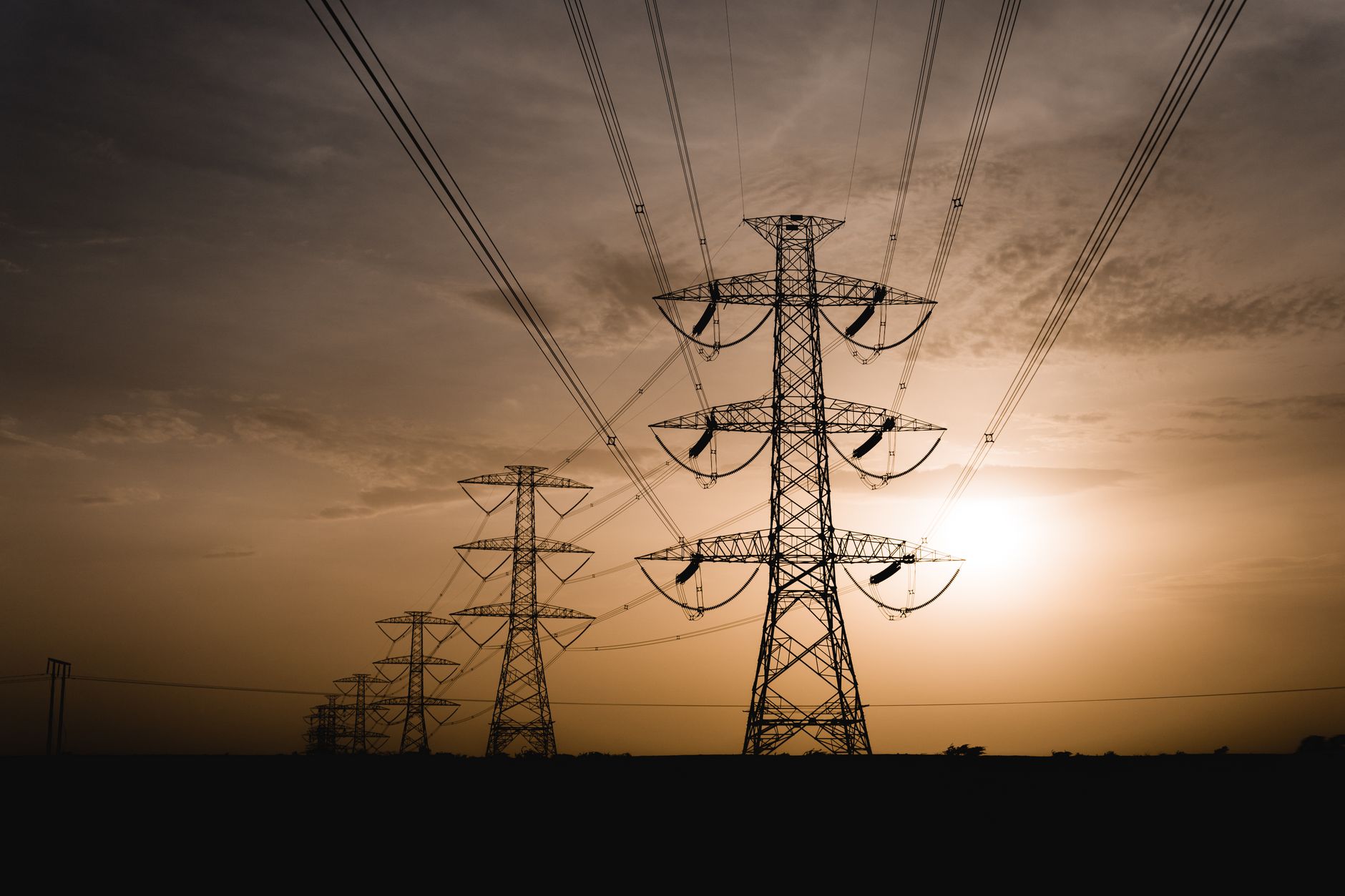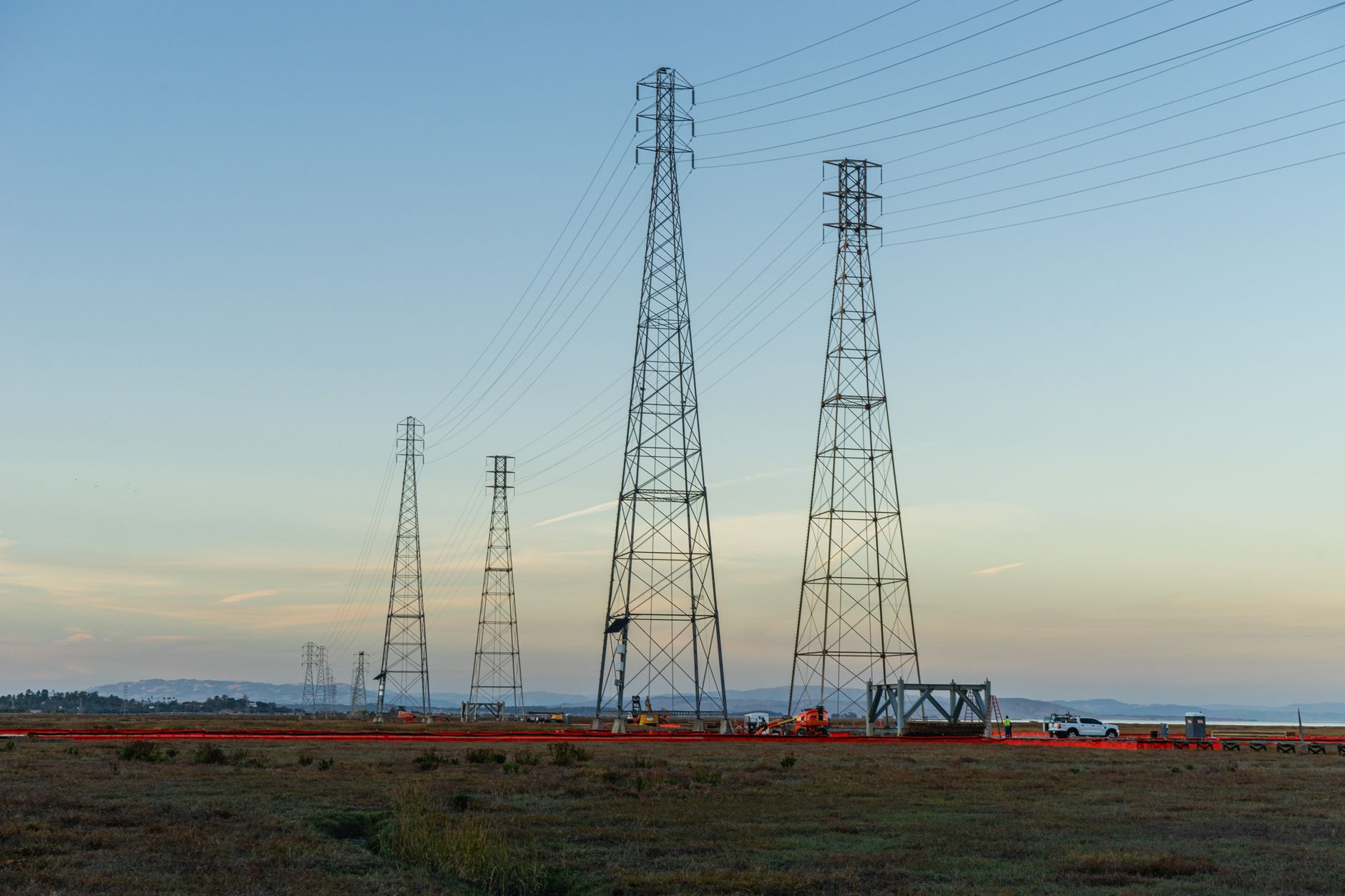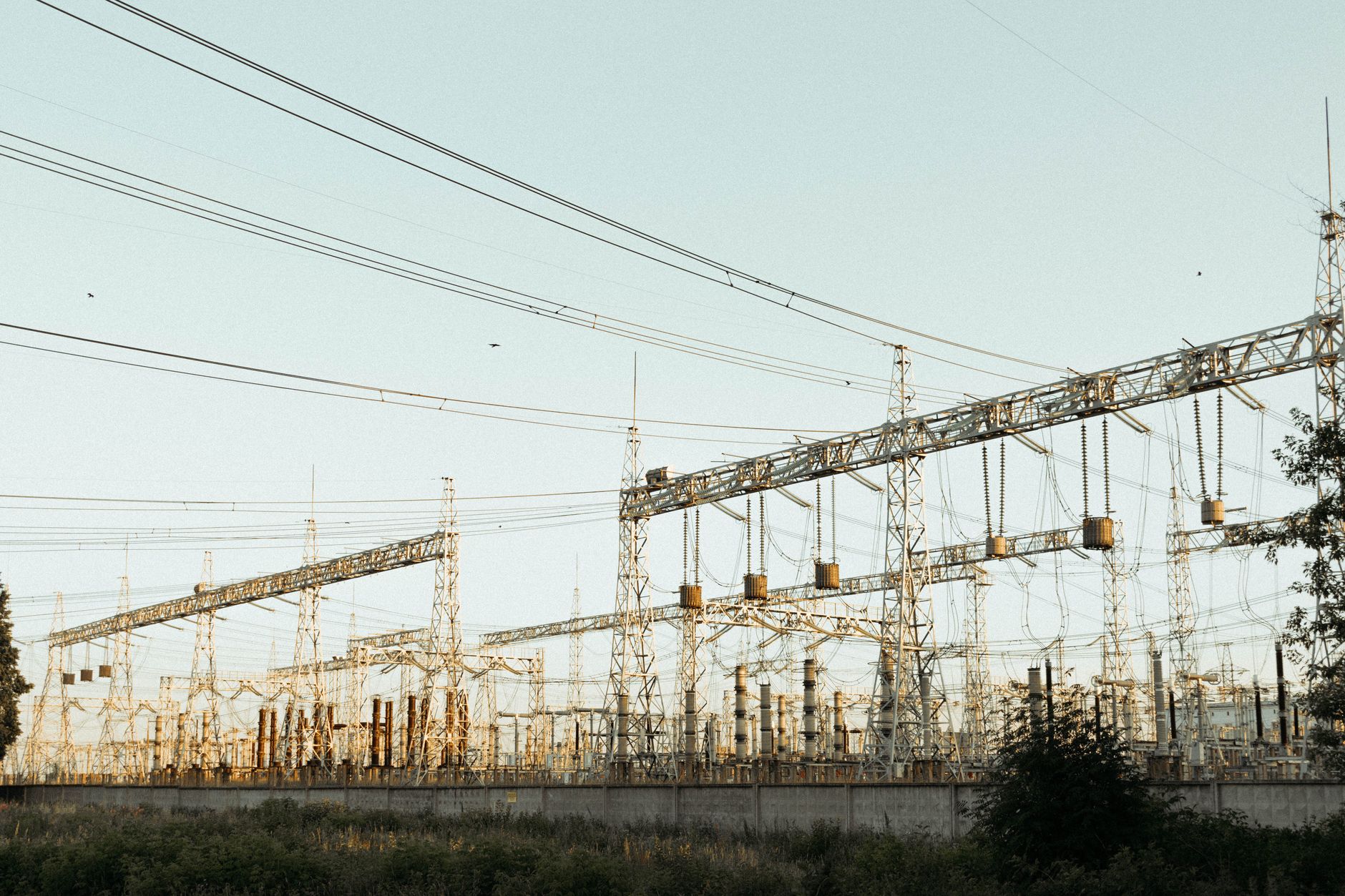
Data center siting grid constraints now often surface before land price, fiber routes, or tax incentives are weighed. A candidate site with abundant land and connectivity can be eliminated because the nearest substation is already operating near its thermal limit or lacks a spare high-voltage bay. Electricity availability has become an early and often decisive screen that narrows the shortlist long before traditional real-estate comparisons begin.
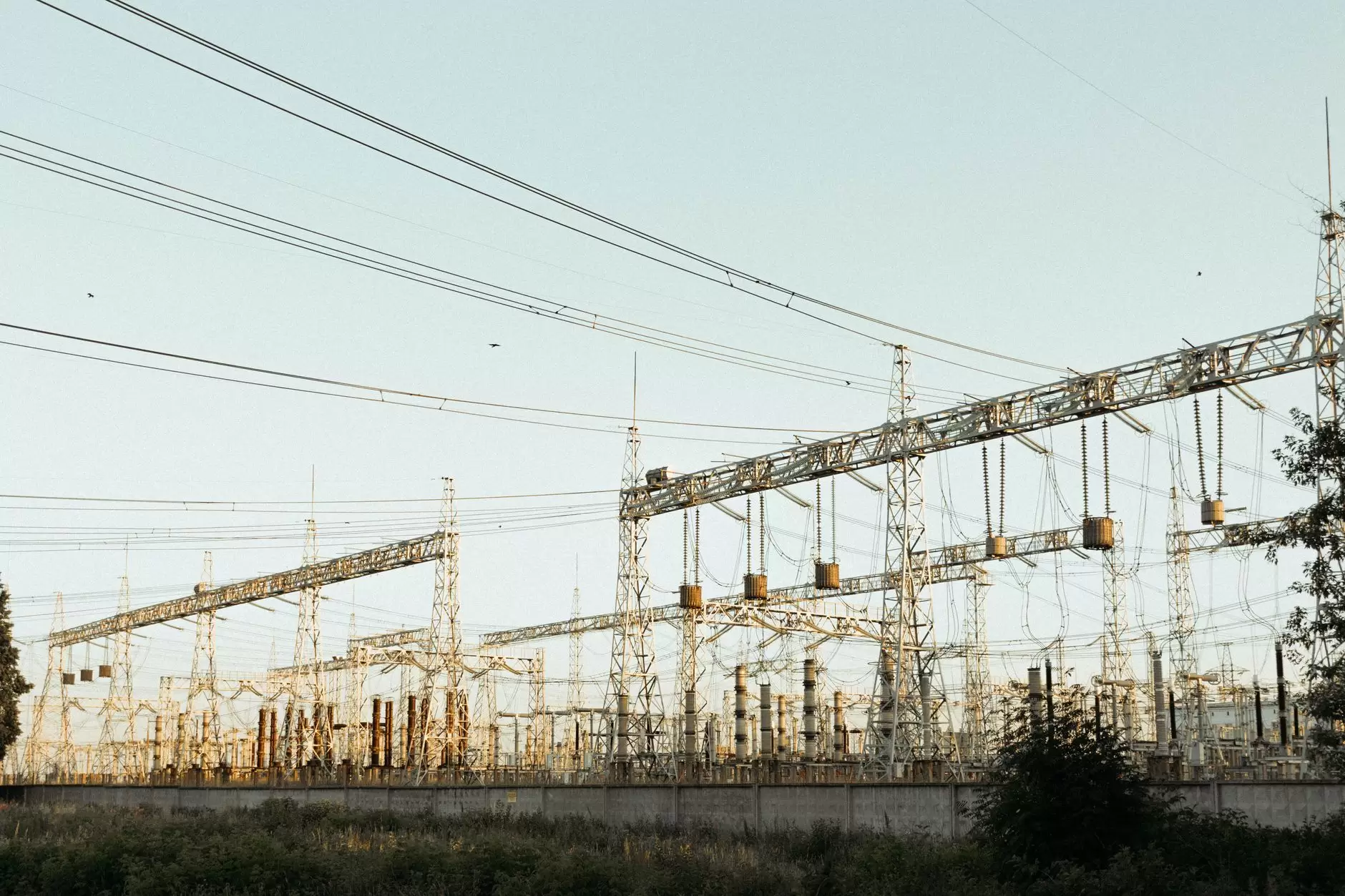
A decade ago, site selection teams treated power as a detail to resolve after signing a lease. Loads were smaller, and spare distribution capacity was usually enough. Today, an AI training campus can concentrate demand at a scale previously associated with heavy industry. Planners now assess whether the transmission network can absorb that load at a specific point without degrading reliability for other customers. The companion article on why data center electricity demand is surging covers the demand-side drivers in more detail.
The Local Network Has Become the First Screen
In many markets, the limiting factor is the local network rather than generation availability. Spare capacity at a specific substation, the voltage level of the nearest line, and the cost of reinforcing that connection are central to whether a site is viable. A data center campus can exceed the spare capacity of most distribution substations, which means large projects generally need a high-voltage connection. The exact voltage depends on local utility practice and project scale, but the practical question is the same: is there a suitable connection point close enough to the site?
- Available fault current and short-circuit duty at the point of connection
- Spare transformer capacity and high-voltage bay availability
- Thermal ratings of nearby transmission lines and substation busbars
- Voltage level and redundancy of the nearest connection point
These network conditions are only half the picture. A second set of constraints comes from the load itself: the scale of demand a campus presents at a single connection point and the headroom the surrounding system has left after serving existing customers. In many attractive markets, this second set has become the binding limit. Developers therefore look for sites where the grid already has headroom, because building new transmission or adding a substation can take longer than constructing the data center itself.
Generation Adequacy Is Not the Same as Local Network Headroom
Data center load densities have risen with high-performance computing and AI training clusters that concentrate large demand in a single building. At the same time, many markets have less available network and generation headroom than they did a decade ago, as electrification and other large loads absorb spare capacity. A country can therefore show adequate generation on paper while the local network cannot serve a specific industrial park. The distinction between generation adequacy and network adequacy has become one of the decisive factors shaping which sites are shortlisted in many markets.
Analysis from the International Energy Agency indicates that data center load growth is concentrated in a relatively small number of markets. That concentration means national surpluses matter less than local network conditions. A developer may find only a handful of substations with enough spare capacity for a large campus, and most of those are already being pursued by other projects. Site selection often resembles a search for substation headroom rather than a conventional real estate comparison.
The regulatory environment also shapes the shortlist. A site in a jurisdiction where utilities routinely expect large-load customers to fund upgrades may be deprioritized in favour of one where existing infrastructure can absorb the demand. Planning and environmental approvals for new high-voltage equipment can add years to a project, and in some cases the timeline for a new transmission connection exceeds the time required to secure the data center lease itself. Developers weigh these timelines before committing to a location.
Regional Grid Conditions Shape the New Geography of Data Centers
Grid conditions differ enough between markets that identical projects can face very different outcomes. In regions where industrial load has declined, utilities may have spare substation capacity and actively seek new large customers. In regions where load growth is strong, the same request can trigger studies and a queue of projects waiting for network upgrades. That difference is now a location variable as much as real estate price or connectivity.
Some of the most visible pressure is in Asia, where the AI data center boom is colliding with power systems built around different load patterns. The article on whether Asia’s power grids can keep up with the AI data center boom examines that mismatch. For siting teams, the lesson is that a promising market can be unavailable at the local level even when national supply looks adequate. Developers are also learning that a country can have enough power plants but lack the transmission capacity to deliver power to a specific site.
In some markets, developers have begun looking at former industrial sites or retired power plant locations that retain high-voltage connections. Those sites can offer spare network capacity without waiting years for a new bay, though they often bring other constraints such as environmental remediation or community opposition. The trade-off is real: the grid may already be there, but the site may be colder in other respects.
This explains why data centers tend to cluster around existing high-voltage infrastructure rather than dispersing to rural sites that may have abundant land but thin network connections. A remote site with no high-voltage line within a practical distance is rarely feasible, regardless of land cost. The new geography of data centers is increasingly shaped by where the grid already has capacity, often more than by where land is cheapest.
Regulatory Timelines and the Price of Certainty
Before choosing a site, developers often ask utilities a direct question: how long the utility expects to take to energize a specific level of capacity at this location. The answer depends on the utility’s planning process, whether the site is within a designated growth area, and whether the nearest substation already has spare capacity or requires expansion. In some jurisdictions, utilities maintain public maps of available hosting capacity, allowing developers to screen sites without filing a formal request. In others, the answer only emerges through a study process.
The distinction matters because a site can look ideal on paper but fail the timeline test. Developers often pay a premium for a location with a utility commitment to deliver power within the construction window. A site that requires new transmission or a substation upgrade may still be viable, but it carries schedule risk. The siting decision becomes a comparison of how much the developer is willing to pay for certainty.
Some jurisdictions are responding by treating large data center loads as a distinct class in planning processes, with dedicated capacity zones or fast-track reviews for sites near existing transmission assets. Others have not adjusted their frameworks, which pushes developers toward markets where the rules are more predictable. That divergence is beginning to influence where new data center clusters form.
Evaluating Grid Risk Before Committing to a Site
Site selection teams now treat grid risk as part of due diligence. They examine the voltage level of the nearest connection point, the spare capacity on nearby transformers, and the thermal limits of the lines that would serve the site. They also assess whether the load can be supplied with the degree of redundancy a data center requires. Many facilities require two independent supplies or a utility substation designed to avoid single points of failure.
This changes the kinds of sites that reach the shortlist. Land near a high-voltage switching station is often more valuable than land a few kilometres away from a lower-voltage line, even when the property cost is higher. The capital cost and schedule impact of the grid connection often outweigh the land acquisition cost in site value. In some markets, a developer may filter out any site that lacks a high-voltage line within a certain distance.
A less obvious but equally real constraint is fault current. Before a large connection is approved, utilities typically check the short-circuit duty at the point of connection against the rating of the existing switchgear. Network reinforcement, or additional generation connected nearby, can raise fault levels enough to exceed those ratings, forcing expensive equipment upgrades. This operational detail is invisible to a non-technical site selector but can make a site unusable.
What This Means for the Wider Power System
Data center siting decisions are beginning to influence grid planning in some markets, rather than simply following existing network capacity. Utilities see large, concentrated loads as anchor customers that can justify new transmission lines, provided the developer commits to a long-term contract. But many data centers have limited flexibility, so they impose a particular kind of demand on the system: high and steady, but difficult to shed in an emergency. The location of new data centers is therefore becoming a public planning question, not just a private real estate decision.
One consequence is that regions with spare substation capacity are attracting projects that would previously have gone to established data center markets. Local economic development agencies now market grid headroom alongside tax abatements. In constrained markets, existing industrial customers worry that large data center loads could raise connection costs or degrade reliability. Both reactions flow from the same underlying reality: much of today’s grid was not designed for concentrated digital loads at this scale.
Industry research from BloombergNEF points to power availability as a leading constraint on data center development. Understanding why data center electricity demand is surging helps explain the demand backdrop behind these siting pressures. The siting question is becoming a central part of how the power system adapts to new load geography. Developers who understand grid constraints early usually prioritise locations where power can be delivered on time and with acceptable risk, even when the land costs more.
References
- International Energy Agency — Electricity 2025 (data center load concentration and power system integration analysis)
- BloombergNEF — Data Center Power Market reports (power availability as a leading constraint on data center development)