Why Carbon Pricing Confuses Even Industry Professionals
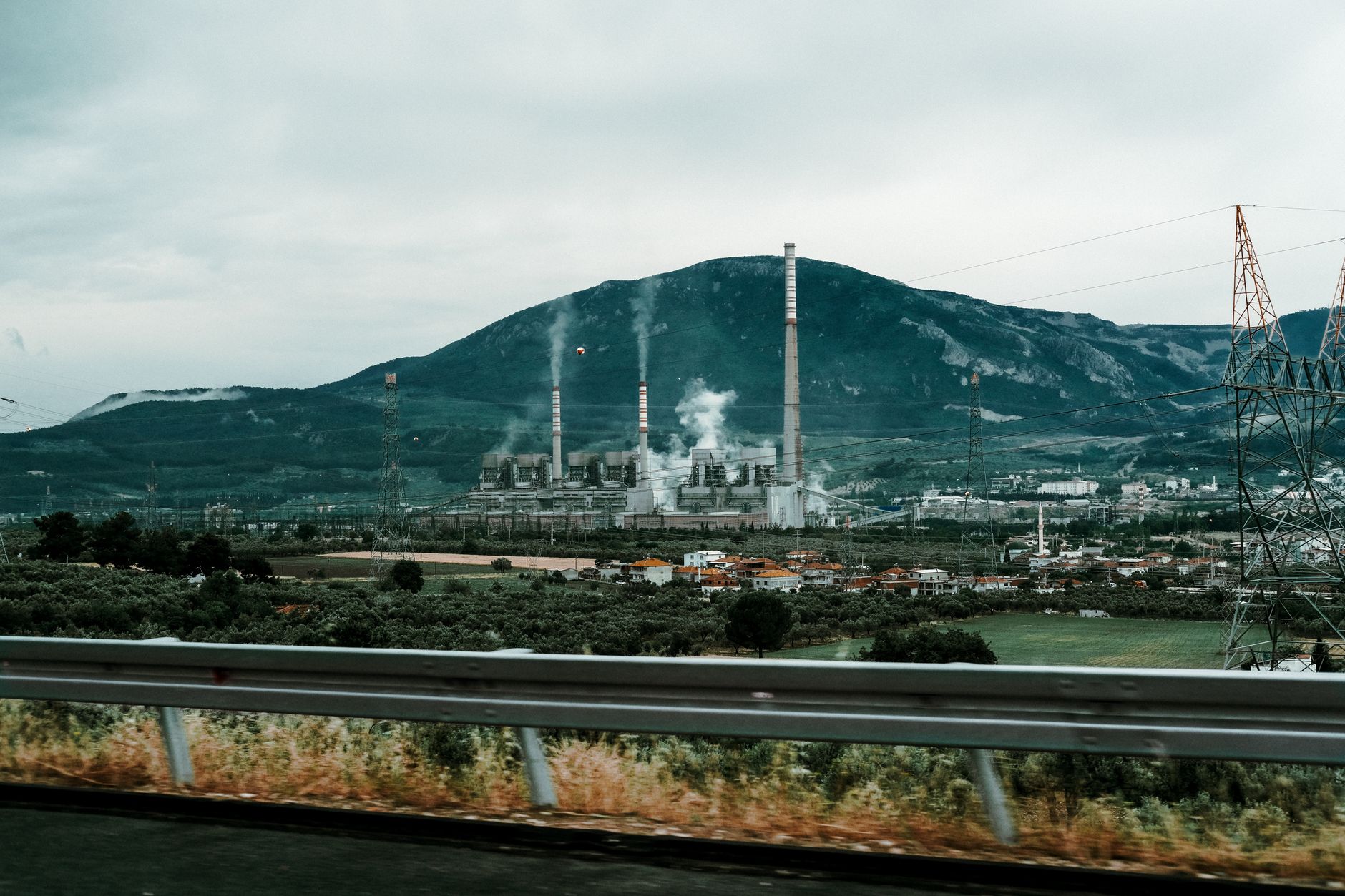
A plant manager reviewing a monthly energy invoice now finds carbon-related line items that did not exist a decade ago. The same tonne of carbon dioxide can appear as a tax, as an allowance surrendered under a cap, or as a credit purchased from a project thousands of kilometres away. That is where this carbon markets guide begins: three instruments, one physical tonne of emissions, and three different mechanisms for putting a price on it. For a manufacturer in Sweden, the line item is a tax. For a utility in the European Union, it is an allowance price embedded in power costs. For a corporate buyer in Singapore, it may be a voluntary credit attached to a renewable energy purchase. Each instrument changes behaviour in a different place, and the three are often confused in boardrooms and policy discussions alike.
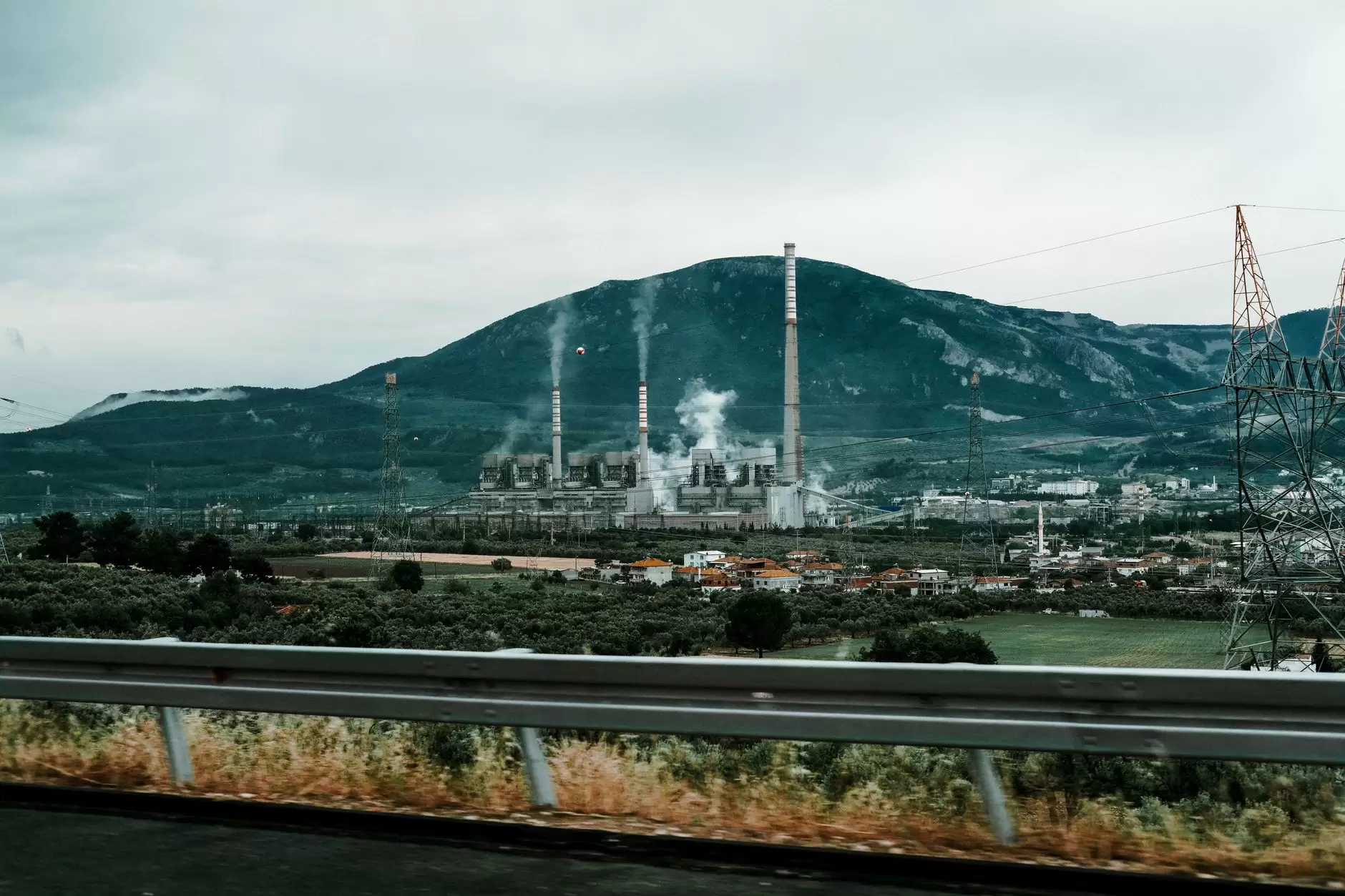
This guide follows a single tonne of emissions through each instrument to show where the financial obligation lands and what decision changes as a result. The objective is not to rank the mechanisms but to make the distinctions clear enough that a plant operator, a trading desk, or a sustainability team can see which instrument they are actually dealing with. That distinction matters because the three are not interchangeable, and treating them as if they were leads to mispriced risk and misplaced confidence.
Carbon pricing has moved from academic theory to a patchwork of mandatory and voluntary systems covering a steadily larger share of global emissions. The 2025 update on carbon markets and offsets describes that expansion in more detail, including the latest national system revisions. For this article, the focus stays on the mechanics: who pays, what changes, and why the three instruments exist side by side.
The article is structured as a map rather than a sequence: the tax section explains price-based control, the cap-and-trade section explains quantity-based control, and the offset section explains accounting-based claims. Each section identifies where the instrument bites and where it does not, so a reader can jump to the part most relevant to their role.
The Carbon Tax: The Price Is the Policy
A carbon tax sets a price per tonne of carbon dioxide emitted. The government chooses the rate, and an emitter pays that amount for every tonne released. For a plant operator, the decision is straightforward: compare the tax with the cost of avoiding the emission. If abatement costs less than the tax, reduce emissions. If abatement costs more, pay the tax and continue operating. This simplicity is the main strength, because the price is known in advance and does not fluctuate with market sentiment.
The tax does not, however, guarantee any particular level of emissions. A high tax may reduce them; a low tax may not. The outcome depends on how emitters respond to the price signal. Some jurisdictions use the revenue for general government spending, while others earmark it for energy efficiency or household rebates. That choice shapes the political durability of the tax, though it does not change the basic pricing mechanism.
Carbon taxes exist at different rates in different countries. Sweden’s tax on fossil fuels is among the highest in the world, while Canada’s federal backstop sets a minimum price that provinces can exceed. Singapore’s carbon tax applies to large emitters and rises on a schedule set in advance. The rates vary because each jurisdiction balances emissions goals against competitiveness concerns and political acceptability.
Cap-and-Trade: The Quantity Is the Policy
A cap-and-trade system starts from the opposite end. The regulator sets a total quantity of emissions allowed in a given period and issues allowances equal to that cap. Each allowance permits one tonne of emissions. Covered emitters must surrender one allowance for every tonne they release. The price of allowances is not set by the regulator; it emerges in the market as emitters buy and sell.
The allowance price therefore carries information about abatement costs. If reducing emissions is expensive, allowances trade higher; if low-cost abatement is available, prices fall. The compliance desk at a power generator or industrial firm watches that price daily and decides whether to buy allowances, sell surplus allowances, or invest in emission reductions. This is a fundamentally different decision from the tax case, because the emitter cannot know the future price with certainty.
One of the largest cap-and-trade systems is the European Union Emissions Trading System, which covers power generation, industry, and aviation. Regional systems in North America, such as the Regional Greenhouse Gas Initiative, cover power sector emissions in participating states. China’s national ETS covers the power sector and is expanding to other industries. Each system sets its own cap trajectory and rules, so the same allowance concept produces different market outcomes.
In systems without a price floor or a market stability reserve, additional policies on covered sectors can shift allowance prices without changing total emissions. For example, if a country inside a cap-and-trade system adds a subsidy for renewable generation, emissions from fossil plants may fall within that country, but the freed allowances can be used by emitters elsewhere in the system. The overall cap remains unchanged. Market participants sometimes describe this as the waterbed effect: pressure in one part of the system pushes allowances to another part, but the total volume does not compress.
Voluntary Offsets: Paying Somewhere Else, Not Here
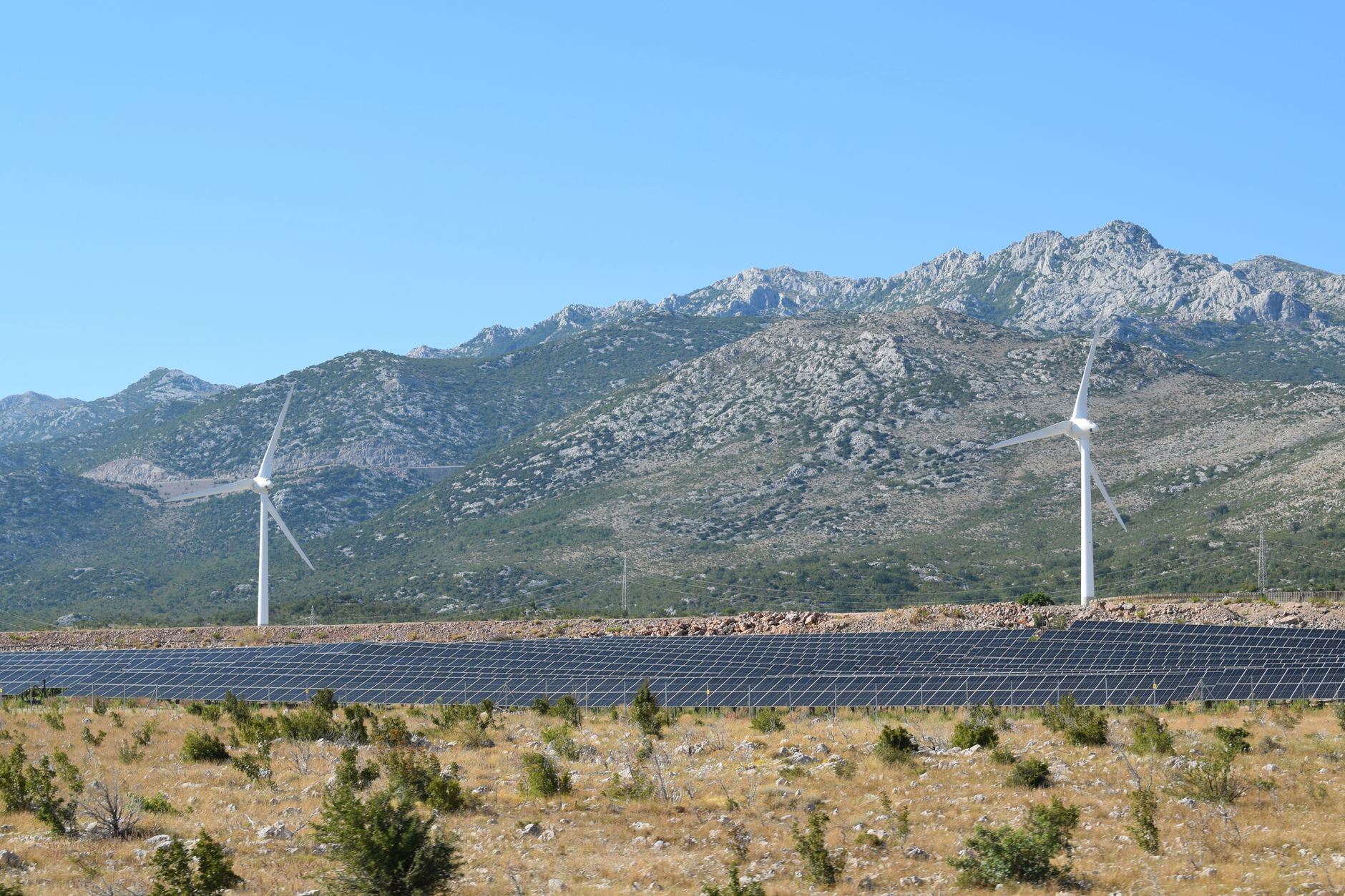
A voluntary offset credit is not a compliance instrument. It represents one tonne of carbon dioxide equivalent that was reduced or removed by a project outside the buyer’s own operations. A company buys these credits to claim that its emissions have been neutralized. The physical emission at the company’s facility does not change; the reduction happens elsewhere and is accounted for separately. This distinction is the source of most confusion.
The decision to buy offsets usually sits with a corporate sustainability or procurement team, not with a plant operator or a compliance desk. The buyer compares the price of credits against internal abatement options or renewable energy purchases. Because offsets are not accepted in most compliance markets, they do not reduce a company’s obligation under a carbon tax or a cap-and-trade system. The separation between a company’s own emissions and offset claims relates to the distinction between Scope 1 and Scope 2 accounting, which the article on Scope 1 vs Scope 2 emissions explains.
Offsets also carry quality risks that compliance allowances do not. A credit is only meaningful if the underlying reduction would not have happened anyway, is permanent, and is not counted twice. These tests — additionality, permanence, and avoidance of double counting — are difficult to verify, and different crediting programs apply different standards. Some voluntary markets have moved toward stricter methodologies, but the variability remains wider than in regulated compliance systems.
Where Each Instrument Bites: Three Different Decision Points
| Instrument | Who pays | What decision changes | Certainty |
|---|---|---|---|
| Carbon tax | Emitter on every tonne | Plant-level abatement vs paying tax | Price known, quantity uncertain |
| Cap-and-trade | Emitter on every tonne via allowances | Trading desk buys/sells allowances; plant abatement | Quantity known, price uncertain |
| Voluntary offset | Buyer (often corporate, not emitter at source) | Sustainability team chooses credits vs internal reduction | Claim, not compliance |
The table makes the core point: the three instruments address different layers of the same problem. A carbon tax changes the cost of emitting today. A cap-and-trade system changes the total quantity of emissions over a compliance period. A voluntary offset changes the accounting around a company’s reported footprint without changing the physical emission at the facility. They can coexist, but they are not substitutes.
This is why a company that buys offsets does not automatically reduce its carbon tax liability or its allowance surrender obligation. Conversely, a plant that pays a carbon tax does not generate a credit it can sell. The instruments operate in different legal and accounting frameworks, and the boundaries matter. The Scope 1 and Scope 2 distinction is relevant here: offsets generally attach to Scope 1 or Scope 3 claims, while Scope 2 claims involve electricity procurement choices.
For policy makers, the choice between a tax and a cap is a choice between two kinds of predictability. A tax gives businesses a known price but an unknown emissions outcome. A cap gives a known emissions outcome but an unknown price. Neither is universally preferable; the right instrument depends on what the jurisdiction is trying to achieve and what its political constraints are.
The voluntary offset market adds a third logic: corporate demand for carbon neutrality claims, separate from regulatory compliance. That demand has grown, but the market remains fragmented and varies widely in price and quality. The 2025 update on carbon markets and offsets provides a current summary of how that market is evolving, including shifts in buyer preferences and crediting standards.
Historical Context: How Carbon Pricing Evolved from Theory to Patchwork
The idea of pricing pollution dates back to the early twentieth century, when economists argued that emitters should bear the external cost of their emissions. The clean division between price-based and quantity-based instruments became formalised later, but the underlying logic is the same: make the person who causes the harm face a cost. The first national carbon taxes appeared in the early 1990s in Northern Europe, and the first large cap-and-trade system followed in the European Union in 2005.
From the beginning, the systems were shaped by existing energy and fiscal structures. Carbon taxes often replaced or complemented existing fuel taxes, which meant rates varied by fuel and by sector. Cap-and-trade systems often grew out of electricity market liberalisation, where regulators already had experience with tradable certificates. The result is a patchwork: some jurisdictions have a tax, others a cap, and some have both, layered on top of fuel duties and renewable support schemes.
That patchwork is not an accident. Each instrument was introduced at a different time, in response to different political and fiscal pressures. Overlapping policies can dilute each other, as the waterbed effect in cap-and-trade systems shows. Understanding the history helps explain why today’s carbon pricing landscape is not a single global market but a collection of national and regional systems that interact only at the edges.
Where to Go Next
The most useful takeaway from this map is that the instrument defines the decision. A plant operator under a carbon tax thinks about abatement cost. A trading desk under a cap-and-trade system thinks about allowance price. A sustainability team buying offsets thinks about accounting claims. The same tonne of carbon creates a different conversation in each seat.
A second takeaway is that the three instruments are not interchangeable, and confusion between them is costly. A company that treats an offset purchase as if it reduced a compliance obligation has misread its exposure. A jurisdiction that adds overlapping policies on top of a cap may not achieve the emissions reduction it expects, because the cap holds total emissions constant while shifting prices.
If you are trying to follow the latest changes, the 2025 update on carbon markets and offsets is the natural next read; it covers recent policy adjustments and market developments. If the accounting boundaries matter most to you, the article on Scope 1 vs Scope 2 emissions explains where offset claims fit and where they do not.
The goal of this guide has been to give you a map, not a verdict. Carbon pricing remains a set of tools, each built for a specific purpose and each carrying its own trade-offs. The readers who benefit most are those who can look at a carbon-related line item and identify which tool they are holding.
References
- ICAP — Emissions Trading Worldwide: Status Report 2025 — detailed review of emissions trading systems, coverage, and allowance allocation.
- World Bank — State and Trends of Carbon Pricing 2025 — global overview of carbon taxes and emissions trading systems, including price levels and coverage.
- GHG Protocol — Scope 2 Guidance — accounting framework for scope 2 emissions relevant to offset and renewable energy claims.
- Verra — Verified Carbon Standard Program Guide — rules and methodologies for voluntary carbon crediting.