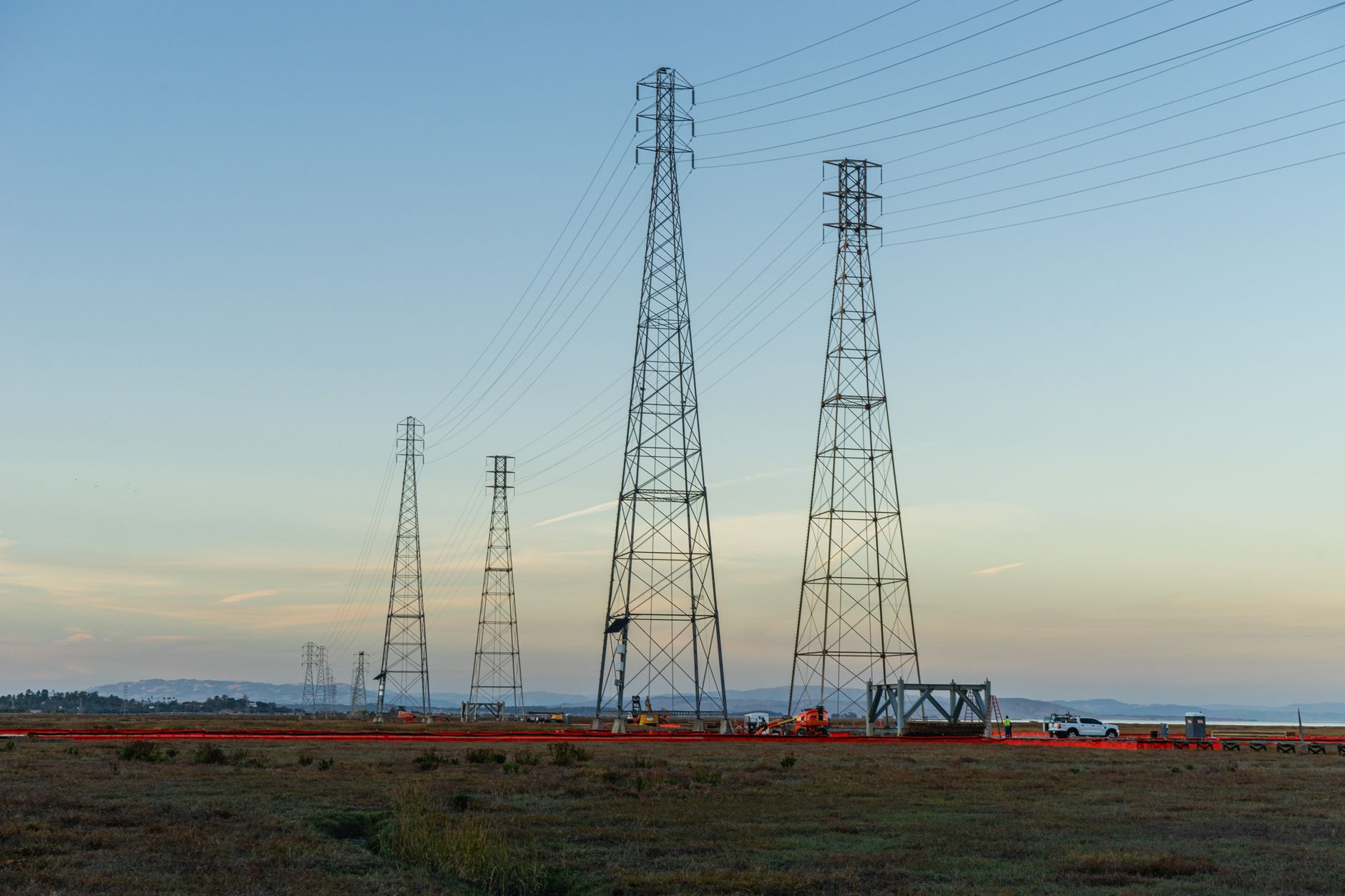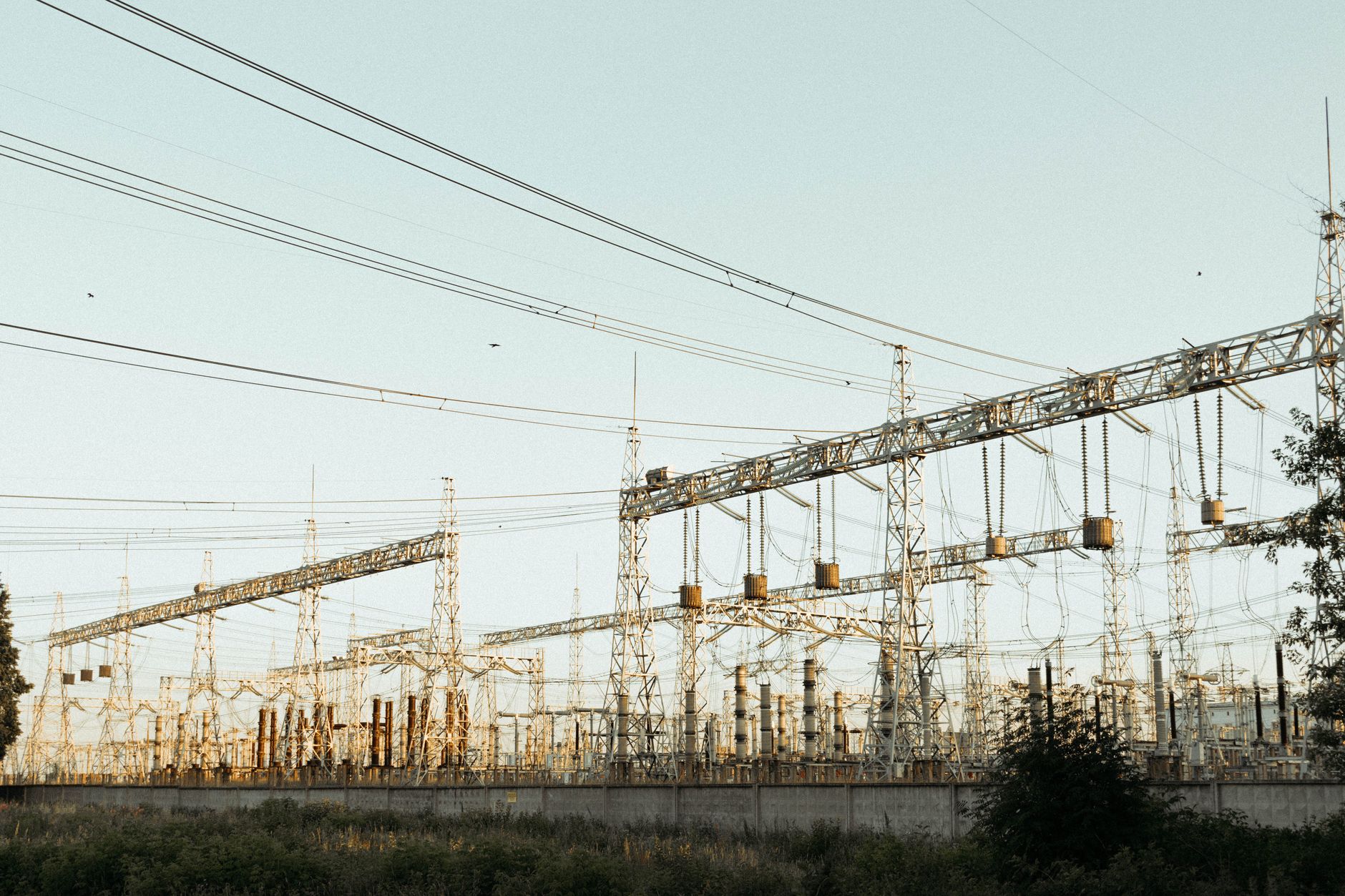
Across several major electricity markets, some of the largest new grid customers is no longer a factory, a mine, or a commercial district. It is a data center campus. Some interconnection requests now cover several hundred megawatts, more than many existing load centres, and they arrive in clusters that did not appear on grid planners’ maps a decade ago. The speed and scale of those requests are what make them difficult to ignore.
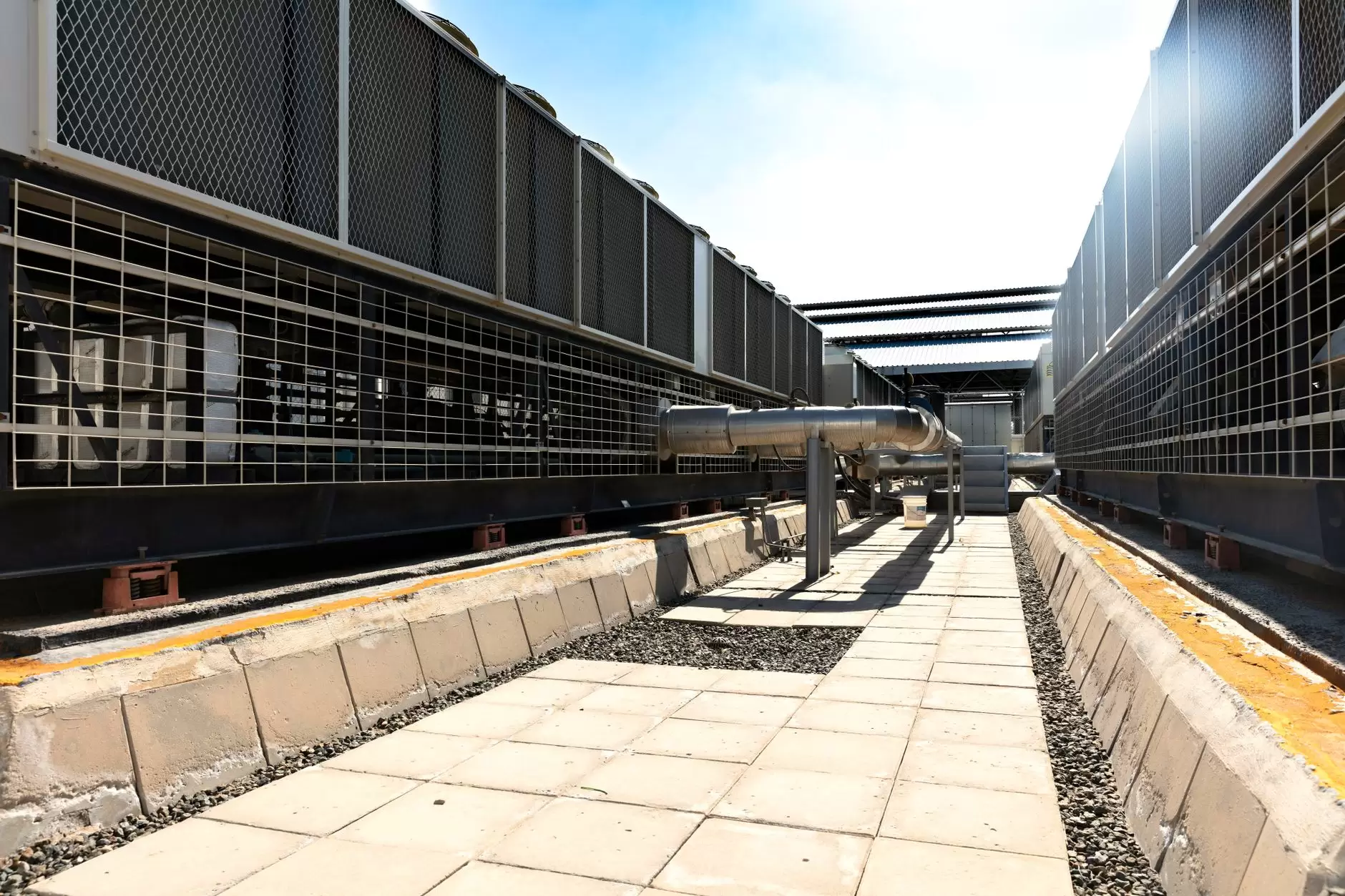
For utilities, the challenge is not simply that demand is growing. Data center electricity demand appears quickly, can operate at a high load factor, and concentrates around specific nodes. That combination is forcing transmission planners, market designers, and investors to re-examine assumptions that have shaped power systems for decades—from how peak demand is forecast to who bears the cost of network upgrades.
Previous efficiency gains kept data center electricity consumption roughly stable even as computing workloads expanded. That changed when AI training began consuming far more energy per computation. The IEA projects global data center electricity consumption could rise from around 415 TWh in 2023 to roughly 945 TWh by 2030, a trajectory that would make data centers one of the largest new sources of electricity demand. The projection deserves attention because it arrives after a decade in which efficiency gains had kept total data center consumption almost flat.
This article maps what that shift means across generation, transmission, market design, and investment. It does not focus on regional grid readiness—Asia’s specific constraints are covered separately—but on the broader system questions data center load raises wherever it lands. The aim is a working mental model: why this load is qualitatively different, where the friction points sit, and which questions are likely to shape decisions in the coming years. A reader who grasps that model can engage with regional differences, technology debates and market reforms without losing sight of the underlying constraint.
Why Efficiency No Longer Offsets Computing Growth
For much of the past two decades, data center electricity use rose far more slowly than computing activity. Hyperscale operators concentrated workloads in large, efficient facilities, improved cooling, and consolidated older server rooms. As a result, the same kilowatt-hour supported far more computation than before. That efficiency trend created a convenient planning assumption: even if digital activity grew, grid demand from data centers would remain manageable. Transmission and generation planners could treat digital infrastructure as a modest, steady load category rather than a dominant driver of new capacity.
AI training has changed that equation. Training a large language model involves sustained, simultaneous use of thousands of specialised processors over weeks or months. The chips themselves are more power-dense than general-purpose servers, and the facilities that house them require additional power for cooling. The result is a step change in energy intensity per computation, and that step change is why global projections now point upward after years of flat forecasts. It also explains why this load is concentrated in a relatively small number of markets where hyperscale operators can assemble land, power, and network access quickly.
Not all data center demand is AI, and not all AI demand sits in hyperscale facilities. Enterprise data centers continue to grow as organizations shift workloads to cloud and edge infrastructure. But the load that has captured grid planners’ attention is the new generation of AI-focused campuses, which combine large capacity requirements with a strong preference for specific locations. Those locations are rarely random. They follow access to fibre, low-cost land, cooling resources and, increasingly, a utility willing to make an expedited connection.
The Operating Profile Utilities Actually See
Grid operators typically plan for peaks, not average demand. Residential and commercial load rises in the evening, falls overnight, and varies with weather. Data center campuses often do not follow that pattern. Many sit near their contracted capacity around the clock, with only modest variation, though the profile is not universal: workload mix and operating practices can make demand at some campuses more variable. From a generator’s perspective this is attractive: a flat load improves utilisation and can support financing for new capacity. From a grid planner’s perspective it creates a different problem, because the load must be supplied before the first server rack is energised, and any shortfall becomes a reliability risk rather than an inconvenience.
The physical arrangement explains part of the profile. Data centers contain uninterruptible power supplies and banks of on-site diesel generators to protect against grid interruptions. These systems mean the facility can continue operating through short disturbances, but they also mean a single campus represents a large, concentrated block of demand that does not shed easily in an emergency. When a data center ramps down, it typically does so because of a commercial or operational decision, not because of a weather event or price signal. That behaviour differs from most industrial load and affects how system operators think about demand response.
That rigidity interacts with reliability standards. A large industrial plant can often reduce load or trip when frequency falls. A data center’s first priority is continuity, so it may ride through disturbances behind its own protection. In extreme system conditions, system operators must account for the fact that this load may not respond to involuntary load shedding in the same way as conventional industrial demand. The result is a planning dependency: the data center expects the grid to be highly reliable, while the grid planner must accept that the data center offers limited flexibility in return.
Where the Friction Appears: Interconnection, Transmission and Reliability
The friction begins long before a facility is built. Interconnection queues in several wholesale markets now contain data center requests that exceed the existing grid’s ability to serve them at a specific node. A request for several hundred megawatts in a rural area with limited transmission may trigger network upgrades whose cost and lead time exceed the data center’s own construction schedule. The project cannot be energised until those upgrades are complete, but the developer often needs certainty before committing to a site. That sequence inverts the usual planning logic, in which load arrives after the grid is in place.
Transmission lead times have become the binding constraint in many regions. High-voltage transformers, switchgear, and skilled construction crews are in short supply, and the permitting process for new lines rarely moves faster than a data center build-out. The result is a scheduling mismatch: data center operators can fully build and equip a facility well before the transmission needed to energise it is in service. That mismatch pushes developers toward locations where spare capacity already exists, creating geographic clusters rather than a broad distribution of load. Clustering can make individual projects easier, but it concentrates risk for the wider system.
The North American Electric Reliability Corporation’s long-term reliability assessments have identified large load additions as a growing planning consideration in several regions. That recognition reflects a broader shift: a load category once treated as background demand now enters resource adequacy and transmission studies as a discrete planning variable.
Those clusters can shift the reliability picture. A region that already had spare generation or transmission headroom may absorb one large campus, but three or four campuses in the same area can exhaust that headroom quickly. Utilities must then decide whether to reinforce the local network before all projects are confirmed, or wait and risk losing customers to other jurisdictions. That decision is commercial as much as technical, because the cost of anticipatory investment may fall on existing ratepayers if some projects never materialise. The same dynamic plays out across multiple regions simultaneously, which is why data center load has become a transmission planning issue rather than a routine interconnection matter.
Generation and Resource Adequacy Consequences
Data center load changes the economics of generation in a way that is not evenly distributed. Because the load is flat, it rewards assets that can run continuously: existing nuclear plants, hydroelectric stations, combined-cycle gas turbines, and geothermal resources. It also raises the value of new gas turbines that can be sited quickly close to load. Peaking resources may see changed utilisation if data centers contract for round-the-clock supply, but the flat profile does not map neatly onto renewable output without storage or firming. That distinction helps explain why the same data center load produces very different resource decisions in markets with different existing fleets.
This is one reason utilities in the United States and elsewhere have reassessed planned retirements of fossil or nuclear units, while developers propose dedicated gas plants next to data center sites. The commercial attractiveness is clear: a creditworthy buyer that needs firm power can underwrite a new plant. The system-level question is whether those dedicated resources contribute to broader reliability or operate outside the visibility of the system operator. A campus with its own on-site or co-located generation may reduce its demand on the grid, but the plant serving it may not be fully available to support wider system needs during emergencies.
Storage is often proposed as a counterpart, but a few hours of battery storage does not by itself cover a load that runs continuously. Batteries can shift renewable output and provide fast response, and their role is expanding as durations improve. Even so, the gap between battery duration and a flat data center load remains wide enough that gas continues to appear in near-term proposals across many markets. The result is a mixed resource picture in which renewables, storage, and firm thermal capacity each serve a different function, and the balance among them depends on local constraints more than on any universal technology preference.
Market Design Questions the Load Raises
Data center load also stresses the assumptions behind electricity market design. Many wholesale markets rely on forecast peak demand to set capacity requirements. If a large flat load appears without corresponding generation, the capacity margin erodes. The natural response is to procure more firm capacity, but the way that capacity is procured—through capacity markets, resource adequacy programs, or long-term contracts—affects who pays and how quickly the system responds. The same underlying load can therefore lead to very different market outcomes depending on the regulatory framework already in place.
On the procurement side, data center operators commonly sign long-term power purchase agreements to secure clean energy or dedicated generation. The commercial logic is clear: a flat, creditworthy off-taker can support financing for new generation. The system-level question is whether the contracted resource actually matches the location and timing of the load. A solar plant in one region does not serve a data center in another without transmission, and a wind farm produces according to weather rather than server utilisation. Matching contracts on paper does not automatically deliver electricity to the right node at the right time. Even where contracts are matched, the physical flow on the grid remains a shared pool, and a clean-energy claim is an accounting matter rather than a dispatch instruction.
Those mismatches mean that behind-the-meter or nearby gas generation often becomes the default firming resource, regardless of broader decarbonisation goals. Some projects propose co-located gas plants, while others rely on existing grid resources. The central debate concerns which market signals reveal the true cost of serving an inflexible load at a specific location, and whether current market rules allocate those costs to the developer, the local utility, or all consumers. Each allocation choice creates different incentives for siting, efficiency, and transparency.
Questions about whether co-located generation should be visible to system operators have been examined in regulatory forums, including a FERC technical conference on large loads co-located at generating facilities. The same questions apply to capacity markets. Existing eligibility and performance rules were written for conventional resources, and a data center with dedicated on-site backup may not be treated as curtailable load. A gas plant contracted by a data center may not participate in the same way as one serving the broader market. Visibility determines whether the system can rely on a resource when it is needed, rather than only when a private contract says it should be available.
Historical Context: How the Grid Inherited Its Current Assumptions
Today’s planning assumptions were built around a different kind of demand. For most of the grid’s history, large load additions arrived as factories, smelters, or commercial districts with predictable operating hours and some ability to flex. Utilities designed interconnection studies, demand forecasts, and rate structures around that pattern. Even large industrial customers typically had a single point of connection and a known process that could be interrupted during emergencies. Those patterns shaped everything from transformer sizing to emergency response protocols, and they remain embedded in current planning models.
That legacy helps explain why a data center request that is technically straightforward—large, flat, high load factor—can still create so much procedural friction. Interconnection rules that were designed for a factory with a few megawatts of motors may not handle a large campus with its own backup generation and contractual priorities. Market rules that assume load responds to price may not reflect a facility that values continuous uptime above all else. Understanding that mismatch is more useful than treating the data center as simply another large customer. The practical consequence is that even routine grid studies require rework when the underlying assumptions no longer match the customer being studied.
The transition from mainframe computing to distributed cloud services already forced some of these assumptions to evolve. Data centers grew from specialised facilities into essential infrastructure, and grid operators learned to include them in demand forecasts. AI accelerates that shift. What is new is the scale and speed of that shift, and the number of jurisdictions feeling it at the same time. Earlier waves of data center growth were often absorbed because efficiency improved in parallel. The current wave has arrived with efficiency gains still present but no longer sufficient to offset the energy intensity of new workloads.
Where to Go Next
Three takeaways are worth keeping. First, data center load is not just more demand; its operating profile is unusually flat, concentrated, and difficult to shed. Second, the binding constraint is often transmission capacity and the pace of interconnection rather than the absence of generation. Third, the unresolved questions are mostly commercial and regulatory: who bears the cost of anticipatory network investment, how firm capacity is procured, and how market rules account for load that does not behave like traditional industrial demand.
Where a reader goes next depends on their role. If regional constraints matter most, the article on Asia’s power grids and the AI data center boom works through country-level differences in more detail. If interconnection queues are the immediate concern, the full treatment of that topic explains why the backlog exists and how different jurisdictions are trying to clear it. If the market-design questions are what brought you here, capacity remuneration is probably the next useful read—it explains how reliability is actually paid for across different market structures.
The useful next step is to follow the constraint that matters in your part of the system. Data center electricity demand changes the shape of load, and the response that works in one market may not work in another. The specific answer depends on existing grid headroom, the local generation mix, and the regulatory framework in place.
References
- IEA — Electricity 2024: global data center electricity consumption estimate for 2023 and projection to 2030.
- IEA — Energy and AI: energy intensity of AI workloads and data center efficiency trends.
- NERC — Long-Term Reliability Assessment: identification of large load additions as a growing planning consideration in several regions.
- FERC — Large Loads Co-Located at Generating Facilities (technical conference, Docket AD24-11): questions about visibility of co-located generation.