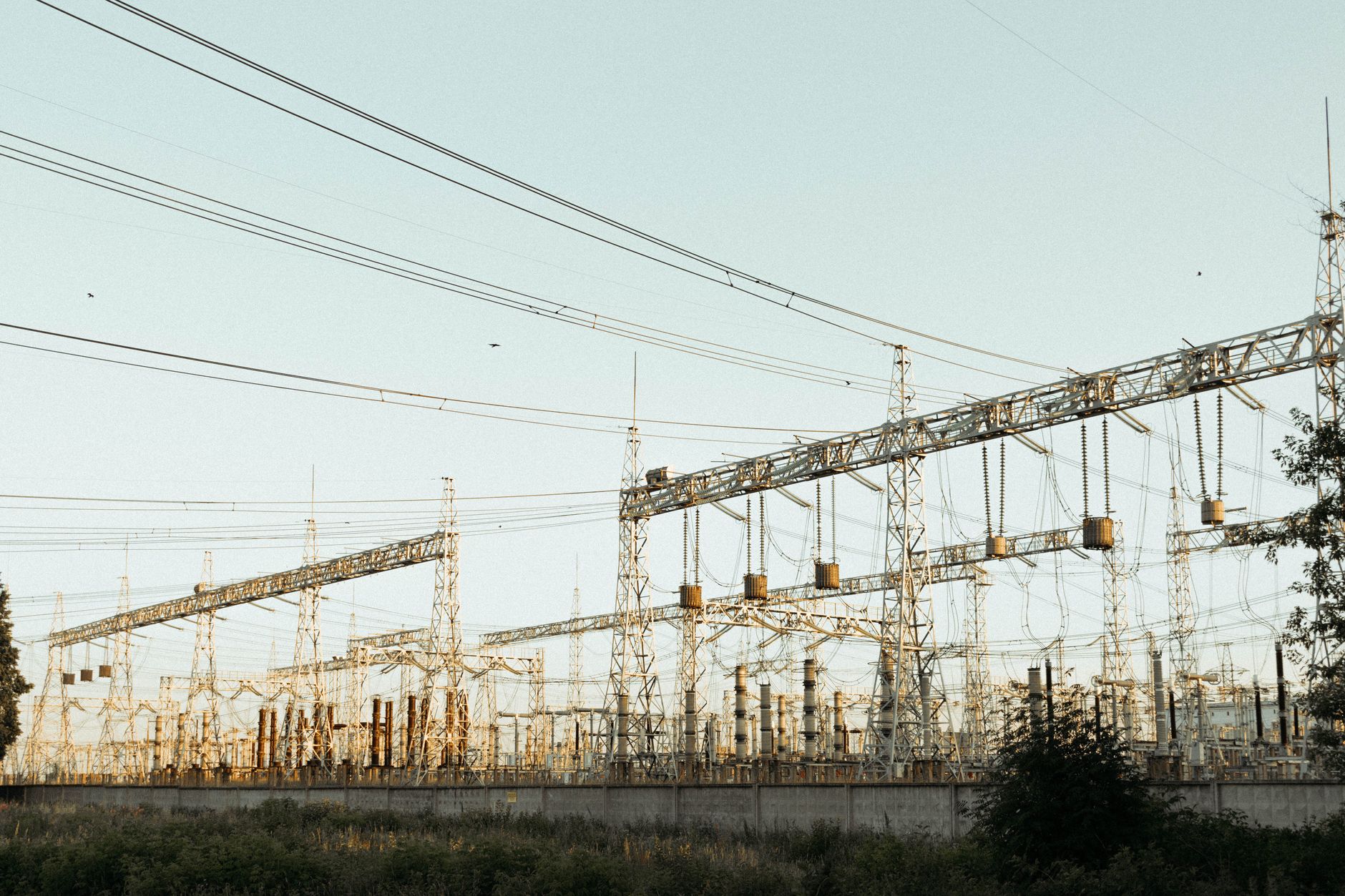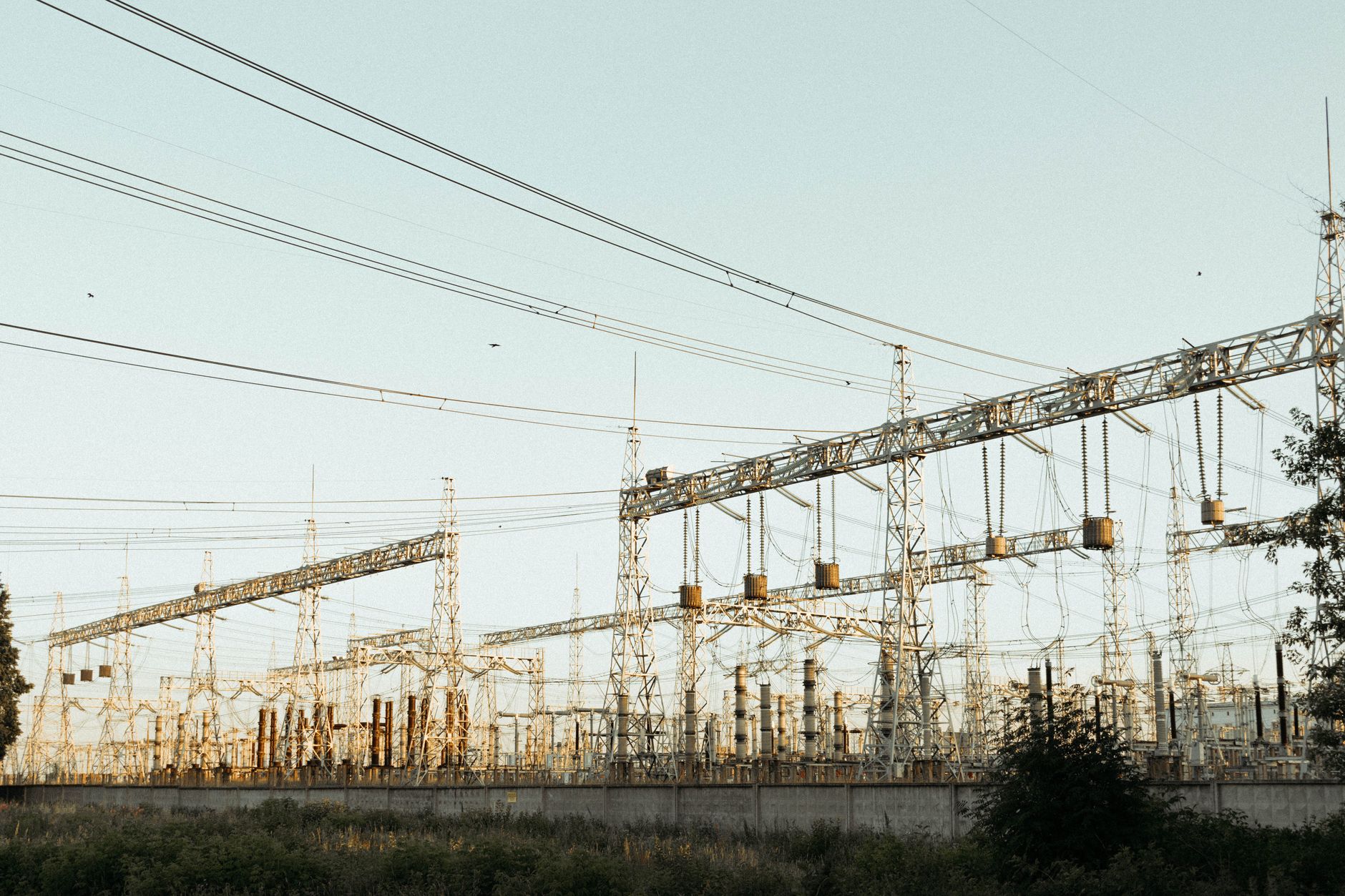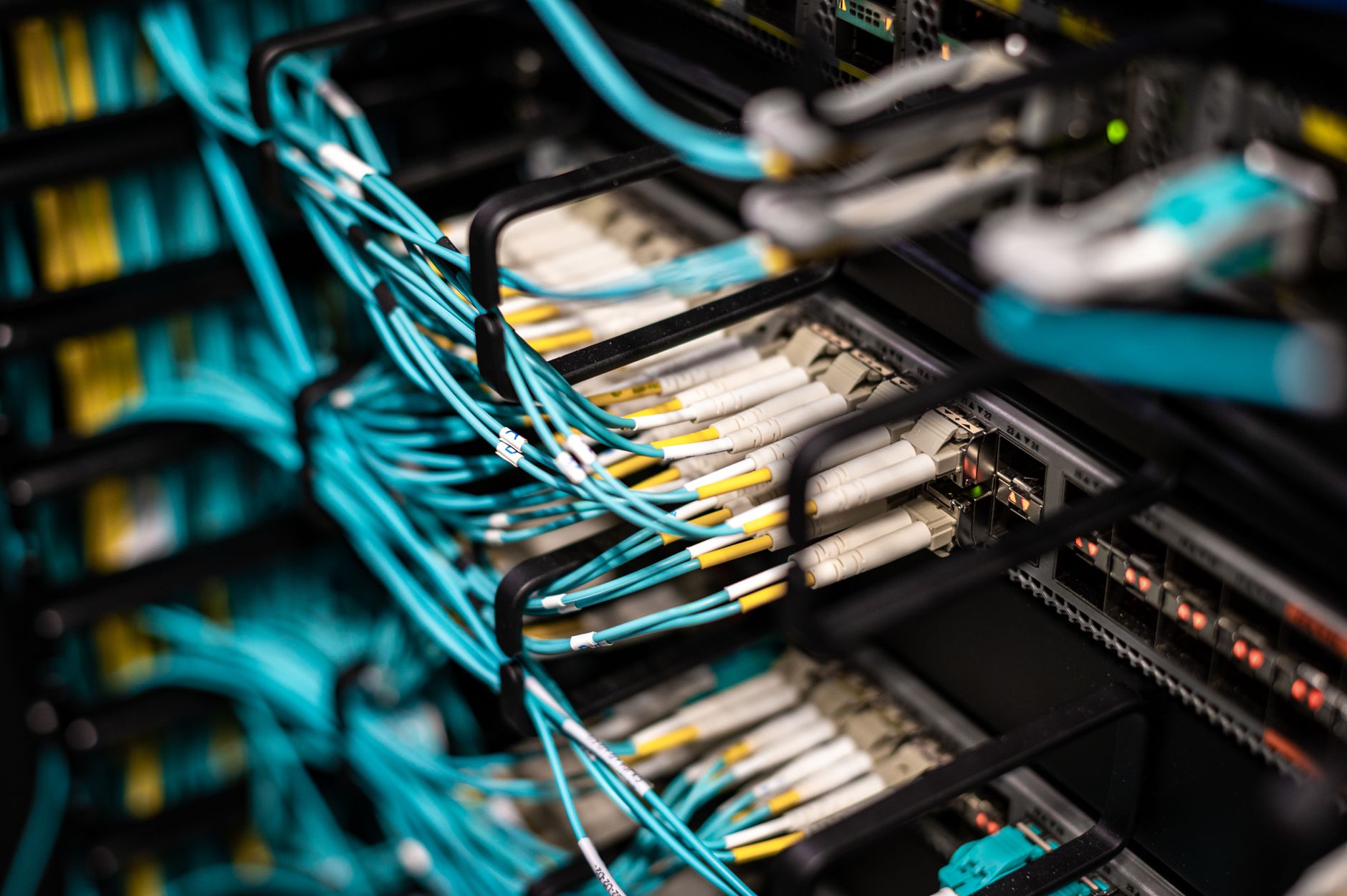
A factory drawing a few megawatts can often be connected within months. Data center campuses requesting several hundred megawatts, by contrast, can spend years in the data center interconnection queue before the same utility completes the transmission and substation work needed to energise the first server rack.
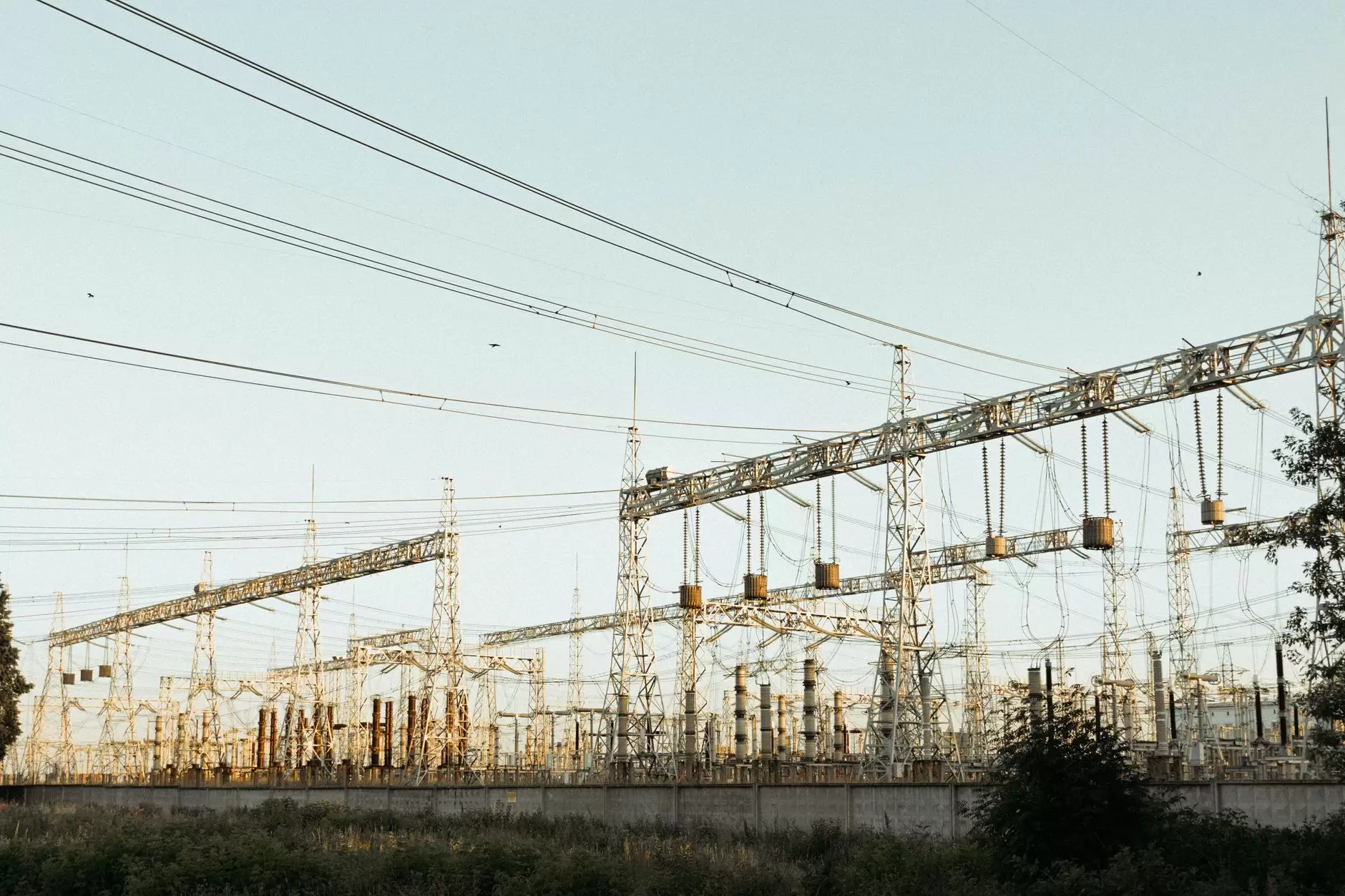
The controlling factor is physical work rather than paperwork. As data center electricity demand has surged, utilities are receiving load requests that sit far outside the distribution-scale assumptions their planning processes were designed to handle. Those processes typically assume a handful of new feeders and a transformer addition at an existing substation; a request of this scale instead triggers transmission-level impact studies, new or expanded substations, and construction work that cannot be shortened by administrative streamlining alone.
Where formal queues exist, an interconnection queue is the ordered set of projects awaiting study and connection. For a data center, that queue functions as an active engineering workload rather than a simple first-come, first-served line. Position depends on network location, requested load size, and how each new request interacts with the projects ahead of it.
Why a Data Center Request Is Not Just a Bigger Factory
Many industrial connections begin with a load that can be served from a distribution substation, often through one or more medium-voltage feeders. The utility studies the local substation, adds a transformer or switchgear bay, and can usually complete the work within months.
A data center campus is filed at a different scale. Requests commonly arrive in the hundreds of megawatts, sometimes split into phases but submitted to reserve capacity for the full build-out. That size triggers transmission-level studies covering multiple substations and, in some cases, new high-voltage lines. A single campus can exceed the capacity of an existing distribution substation.
The load profile changes the engineering task. A factory draws power intermittently as production lines start and stop. A data center typically operates close to its contracted capacity around the clock, with limited ability to shed load without shutting down servers. The utility must therefore plan for a steady, high-load-factor addition that stresses transformers and cables differently from a variable industrial load.
Many developers also request more capacity than the first phase needs, reserving headroom for later expansion. From the utility’s perspective, each request must be studied at its full contracted size, even if early actual demand is lower. That reserved headroom is part of what makes some data center requests demanding in the study phase: the network upgrades are sized for a load that may not materialise for years, but the engineering work cannot assume a smaller figure.
Inside the Interconnection Study Process
A large load request enters the utility’s queue after basic information is submitted: location, requested capacity, expected in-service date, and load characteristics. From that point, the utility runs a sequence of interconnection studies, assessing the grid under the proposed new demand and verifying that existing equipment remains within safe operating limits.
The first stage examines thermal loading, voltage limits, and fault duty across the local network. Fault duty studies are a specific technical check: short-circuit current is set by connected generation, transformer impedance, and network configuration, not by the size of the new load itself. The study determines whether existing switchgear can withstand the fault current already present in that part of the network, and whether proposed network additions change that duty.
If the request is large enough, the utility runs a system impact study covering multiple substations and transmission lines, looking at voltage stability and reactive power support. For FERC-jurisdictional transmission providers in the United States, large-load requests are generally handled through load-interconnection procedures rather than the generator interconnection queue, so the study sequence follows the load-specific tariff instead of a generation queue position.
After the impact study, the utility develops a facilities study that identifies the specific equipment and network upgrades required and assigns responsibility for their cost. Only after these engineering studies are complete does the utility issue an interconnection agreement. The agreement comes later than many developers expect because the design work and cost allocation are completed first.
For a factory, many of these stages often collapse into a single distribution service study. For a multi-hundred-megawatt data center, the same request may require changes to protection schemes, transformer replacements, new transmission feeders, or a dedicated substation. Each additional element adds its own design, procurement, and construction timeline.
Queue Position and the Interdependence of Large Loads
Queue position influences whether a data center is studied under a realistic set of network assumptions. Where transmission providers maintain a formal base case of existing generation, load, and approved projects, a connection request that sits far down the queue is often assessed against assumptions that may change as earlier projects are built, delayed, or withdrawn. A data center’s timeline can therefore be affected by decisions made by other developers years earlier.
Large load requests also interact with generator interconnection queues. In many regions, the same network upgrades can be shared by new renewable plants and new large loads, especially where data centers are located near inexpensive land and existing transmission corridors. A data center can be studied alongside several generation projects in the same area, which increases the complexity of the analysis and can delay the final cost allocation.
This is one reason interconnection availability has become part of the site selection process, as discussed in the article on siting data centers. A site with available network headroom can be far more valuable than one requiring extensive upstream reinforcement, even if the underlying land or power price looks attractive on paper.
Queue position carries another implication. A project that withdraws or revises its request can invalidate study assumptions for everything behind it, forcing utilities to re-run work. Because data center developers often adjust their capacity or phase timing after initial filing, churn in the queue creates delays beyond the time consumed by any single study.
Where the Time Goes: Engineering, Procurement, Construction, and Commissioning
Preliminary engineering can take months, depending on utility workload and the completeness of the application. System impact studies for large loads can take similar periods, while facilities studies and the negotiation of an interconnection agreement add further time. In congested regions, the study and agreement phase alone can extend well beyond a year.
Construction is the least predictable part. Substation transformers, high-voltage switchgear, and protection systems are manufactured to order in many cases. Procurement lead times for large power transformers have stretched in some markets, and installation requires outages, testing, and commissioning. For a given project, the utility’s network upgrades determine when the first phase can be energised: the building may be finished ahead of the substation work, but operation starts only once that work is complete.
Commissioning is a separate stage rather than a formality. It involves checking protection settings against the actual installation, testing control circuits point-to-point, and energising the site in a sequence that frequently requires an outage window arranged with the utility. Each of those tasks can absorb weeks, and the overall timing is driven by the upstream network operator’s switching schedule.
Markets also differ. Some systems with spare network capacity and streamlined study processes can connect large loads more quickly; others, where transmission capacity is already constrained, have timelines that extend across several years. This pattern is visible in parts of Asia, where data center demand is arriving faster than available network capacity in several markets. Research organisations such as BloombergNEF track data centre power commitments across these markets, which gives a sense of how many large load requests are competing for the same network capacity.
Generation Capacity Is Different From Deliverable Grid Capacity
It is easy to confuse aggregate generation capacity with deliverable grid capacity. Aggregate supply says little about whether a specific site can receive hundreds of megawatts. The binding constraint is usually the local network: transformers, buswork, protection, and the transmission corridor that serves the proposed point of interconnection.
A market may have surplus generation and low wholesale prices, but the substation nearest to the site may already be near its thermal limit. The line connecting that substation to the rest of the network may lack the capacity rating to carry an additional high-load-factor demand. In those cases, the project requires network reinforcement even though no new generation is needed.
The binding question is whether the equipment between the site and the wider network can deliver those megawatts continuously, regardless of the grid’s aggregate generation capacity. Transformers, feeders, and protection schemes all have limits, and a data center’s high-load-factor demand stresses them in ways that occasional peak loads do not.
What This Means for Developers and Utilities
For utilities, a large data center request is a long-term load commitment that affects substation planning, transformer loading, and transmission reinforcement. The study process is the mechanism through which the utility ensures the new load does not overload equipment or destabilise voltage. Skipping those steps would transfer risk to other customers on the same network.
For developers, the timeline carries direct commercial consequences. Construction financing, equipment delivery, and offtake agreements often assume a specific energisation date. When the interconnection study or network upgrade runs long, the building may be complete before it can receive power. Some developers respond by evaluating behind-the-meter generation or on-site battery capacity.
The practical difference between a factory and a data center lies in the scale of grid study, reinforcement, and construction triggered by the request. Developers who understand what the queue represents are better placed to sequence their capacity, choose locations with available network headroom, and build realistic timelines around the physical work that precedes every connection.
References
- IEA — Electricity 2025: data centre electricity demand and grid integration pressures used to frame the scale of load requests entering interconnection queues.
- FERC — Large Loads Co-Located at Generating Facilities technical conference, Docket AD24-11: distinctions between load and generator interconnection and the study responsibilities of transmission providers.
- BloombergNEF — Data Center Power Market reports: tracking of data centre power commitments and grid connection activity across major markets.