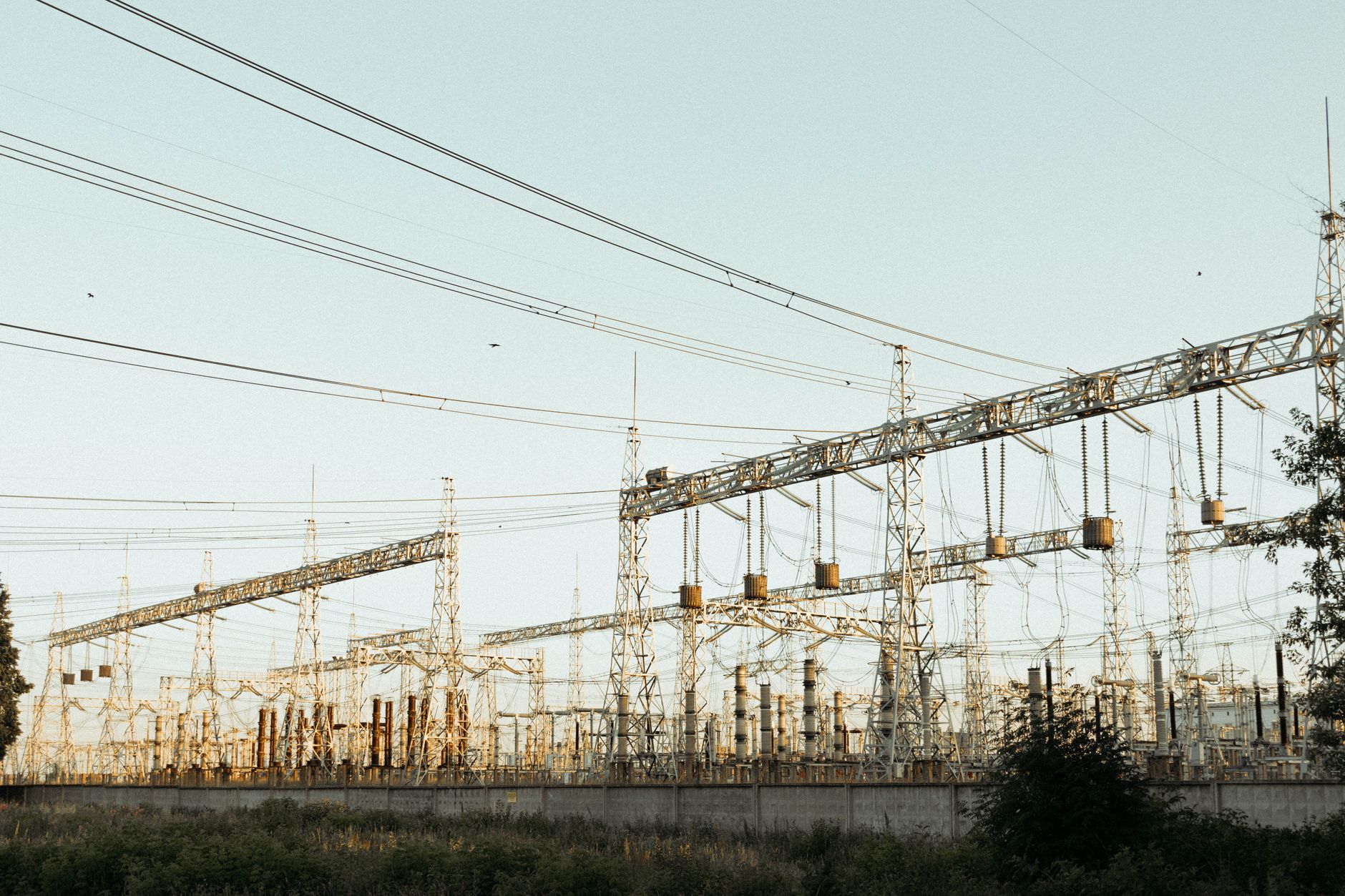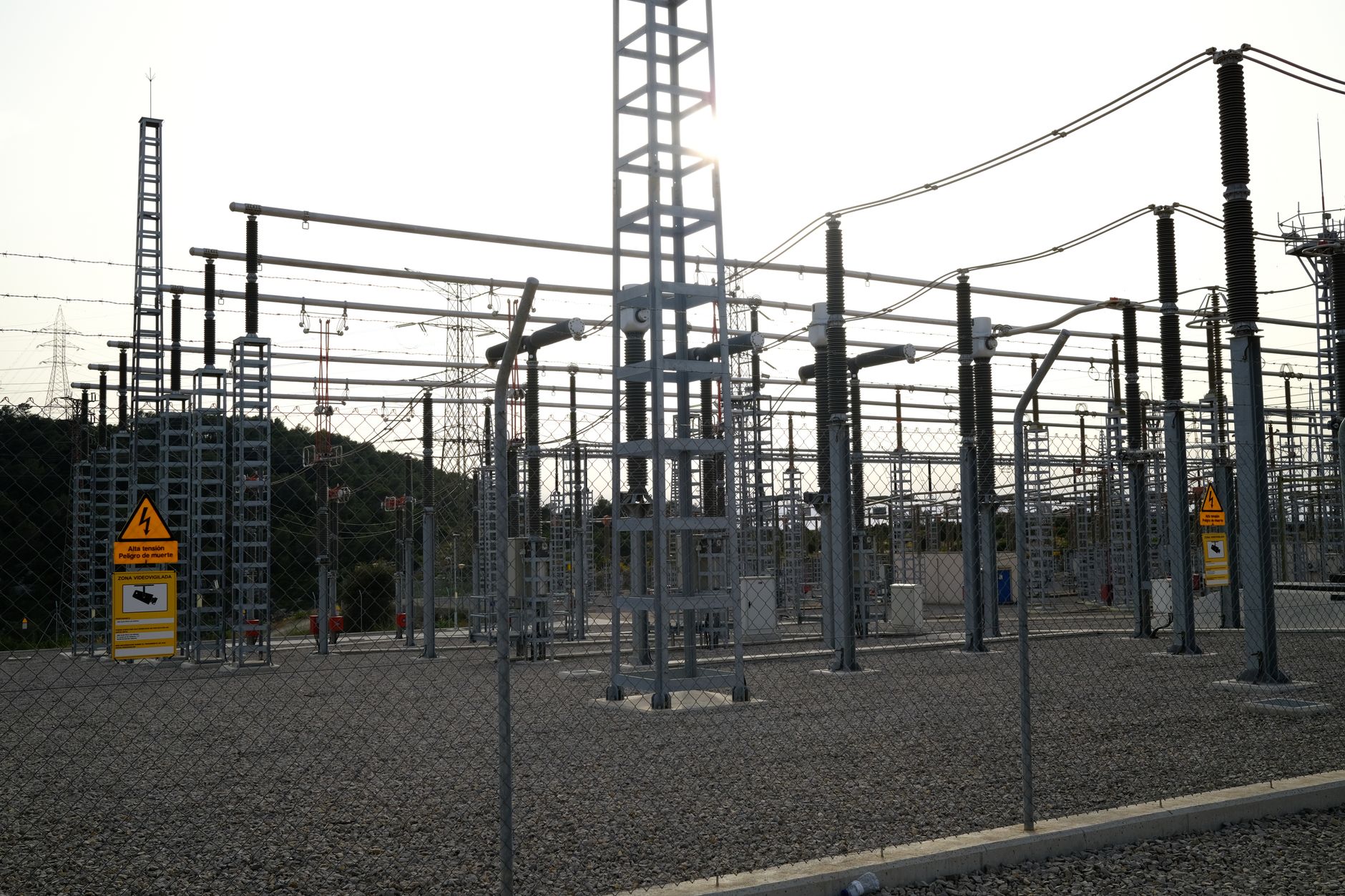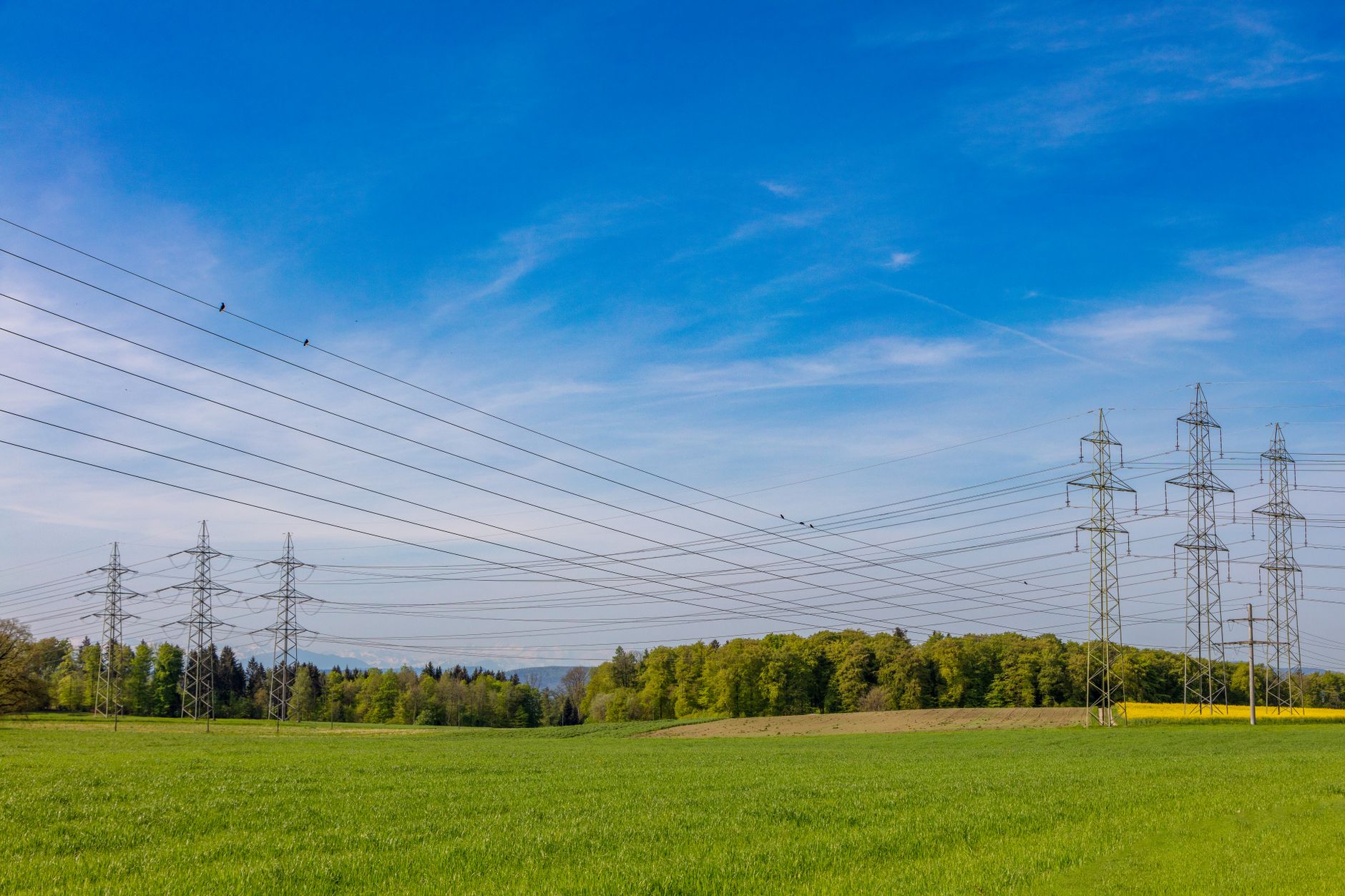
Electricity markets clear schedules as though the network can carry nearly any combination of trades, but the capacity calculation that underpins day-ahead clearing never represents every physical limit on the system. Some constraints are simplified, some are left outside the model for efficiency, and some become relevant only once flows shift after the market closes. When the cleared schedule exceeds what a transformer, line or corridor can safely carry, the operator has to adjust something after the fact, using redispatch and countertrading to shift generation output or trade positions until flows sit back inside the transfer limits. Those adjustments are the operational layer an energy-only market assumes away.
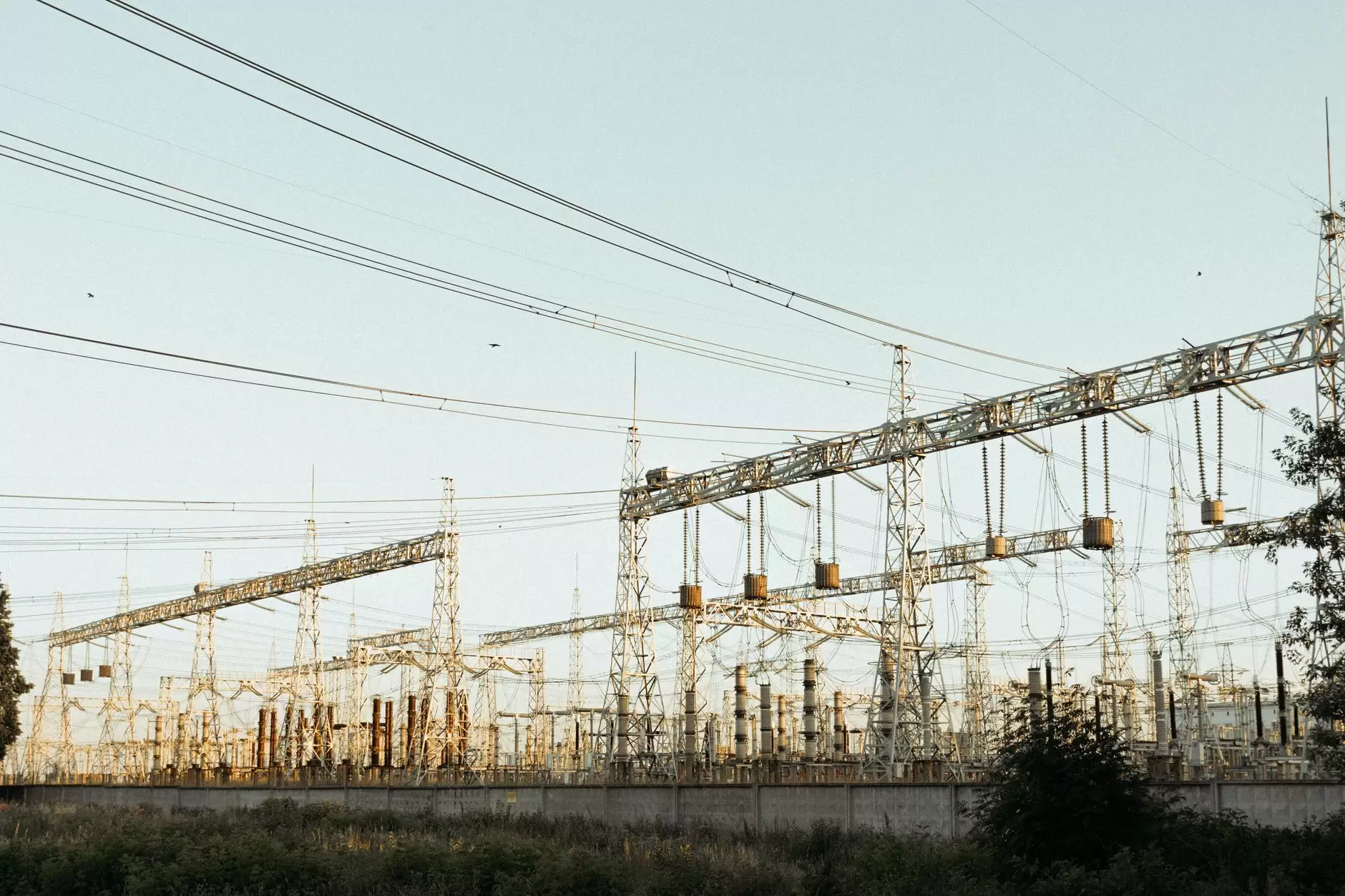
Three instruments sit in that operational layer. Redispatch changes the output of specific resources up and down across a congested element, countertrading adjusts a market position across a bidding-zone boundary, and topological measures reconfigure the network itself, such as by switching busbar arrangements or adjusting phase-shifting transformers. Each acts on a different lever, and keeping them separate matters because the lever determines who is paid, who bears the cost and how reliably the action relieves the constraint. The distinction rests on what the instrument changes rather than on what the operator can see.
Why a Cleared Schedule Sometimes Cannot Run
A clearing model selects trades based on bids and a simplified representation of the network. In European day-ahead markets, this representation is built through capacity calculation methods set by the Capacity Allocation and Congestion Management guideline, which sets out methods for calculating how much cross-border capacity market participants can use without endangering system security. Those methods produce the cross-zonal limits offered to the market, but they do not capture every internal constraint, outage condition or dynamic stability limit that an operator must respect when the schedule becomes real. Grid congestion emerges when actual flows exceed what equipment can carry.
The mismatch reflects a modelling trade-off rather than a market failure. A full representation of every node, line and transformer would be slower to calculate and harder to keep current, so some accuracy is deliberately moved to the operational stage, where remedial actions move flows back within limits after clearing and before or during real time. The European guideline addresses those actions under coordinated redispatching and countertrading, which Article 35 establishes as a shared task among transmission system operators. This is the point where market outcomes meet physical security.
Redispatch, Countertrading and Topological Measures
Redispatch changes the output of specific generation or load resources on either side of a congested element. The operator instructs one unit to reduce output and another to increase, shifting flow away from the constraint; in some arrangements the instruction carries an obligation, while in others it is a request that a participant may accept or refuse under the applicable congestion management rules. The cleared market schedule alone does not reveal which units can relieve a particular constraint, because a unit’s effect on a line depends on where it sits electrically and how strongly its output shifts flow across that line. The set of useful options follows from network physics.
Countertrading adjusts a market position across a bidding-zone boundary. The operator buys a position in one zone and sells an offsetting position in another, reducing the net scheduled interchange; the object of the action is a cross-zone trade rather than a named machine, even though many zonal operators can see individual units. Whether the offsetting trade relieves the constraint depends on how much of the cross-zone flow physically uses the congested element, because loop flows can carry a scheduled exchange through a third zone’s network. The zonal position determines which trades the operator can adjust; the network response determines whether the adjustment works.
Topological measures change the configuration of the network itself. Switching a busbar, opening a line or adjusting a phase-shifting transformer alters impedance paths, which redirects flows without changing any unit’s output or any cross-zone trade. These actions can often be implemented quickly, but each reconfiguration may increase loading elsewhere, create a voltage issue or reduce redundancy for the next contingency. Operators therefore sequence topological measures alongside redispatch and countertrading, using whichever instrument provides the required flow change with the least operational risk.
How Costs Move Through Three Separate Layers
The first cost layer is compensation to the resource whose position changed. A generator asked to reduce output may lose market revenue; a generator asked to increase output may incur fuel or opportunity costs, and the applicable redispatch or countertrading mechanism determines how the operator compensates that resource. Article 35 of the Capacity Allocation and Congestion Management guideline establishes coordinated redispatching and countertrading as regional tasks, but the precise price formation for each remedial action is set in methodologies outside that article. Compensation answers a narrow question: what is the provider owed for the change in its position.
The second layer is cost sharing among the parties a regime holds responsible. Under Article 74 of the same guideline, transmission system operators within a capacity calculation region share redispatching and countertrading costs according to a methodology; the capacity calculation region consists of electrically interdependent bidding-zone borders where those tasks are coordinated. The methodology tracks how each remedial action affects congested network elements and assigns costs to responsible TSOs based on the order of loop, internal, allocated and power-shifting transformer flows. ACER has adopted a decision amending this methodology for the Core region, and this layer answers which operator bears the cost after the resource has been paid.
The third layer is recovery. Once costs have been shared among operators, each operator recovers them through network charges, a settlement fund or a designated tariff depending on national arrangements. A TSO may advance the payment to a resource and administer the settlement without the cost stopping with it; the operator’s role as payer and the operator’s role as cost allocator therefore belong to different layers. The European instruments assign the first two layers, while recovery arrangements remain within national frameworks.
What These Instruments Cannot Do as Renewable Shares Rise
As renewable generation displaces conventional plants, the pool of units available for redispatch changes. Variable resources can sometimes be curtailed downward, but their output depends on weather and their controllability is limited relative to a dispatchable thermal plant, which means the same constraint can become harder to relieve at the very moments when renewable flows peak and congestion is most likely. Countertrading across zones can shift positions, but it relies on enough available trades and enough physical response to move the overload, and topological measures remain available with their own security limits. The operational layer tends to be thinner at high renewable shares, even as the number of hours needing adjustment grows.
When the pool of controllable plants shrinks, some systems turn to units that would otherwise retire, securing them through must-run arrangements so that they remain available for congestion management and local voltage support. This keeps a redispatch resource on the system while creating a separate revenue stream outside the energy market. The hidden cost of grid congestion includes the remedial action itself and the payments that keep the scarce controllable units available. Operational relief becomes more dependent on a shrinking set of resources, and that dependency changes both the economics and the reliability picture.
Operational relief can manage the network that exists, but it cannot alter the thermal limit of a line, the capacity of a transformer or the transfer capability across a corridor. A high-renewable system with a persistently overloaded connection tends to require repeated remedial actions, and the cost of buying those actions accumulates over many hours, making congestion cost a recurring operating expense. Transmission investment changes the underlying capability, which reduces how often remedial actions are needed at all. Operations keep the system secure today; investment changes what the system can securely carry tomorrow.
References
- ENTSO-E — Capacity Allocation and Congestion Management guideline overview, including Article 35 on coordinated redispatching and countertrading and Article 74 on cost sharing methodology.
- ACER — Decision amending the electricity redispatching and countertrading cost sharing methodology for the Core capacity calculation region, including description of capacity calculation regions and flow-type cost allocation.