The Schedule Is Set by a Component, Not by Capital
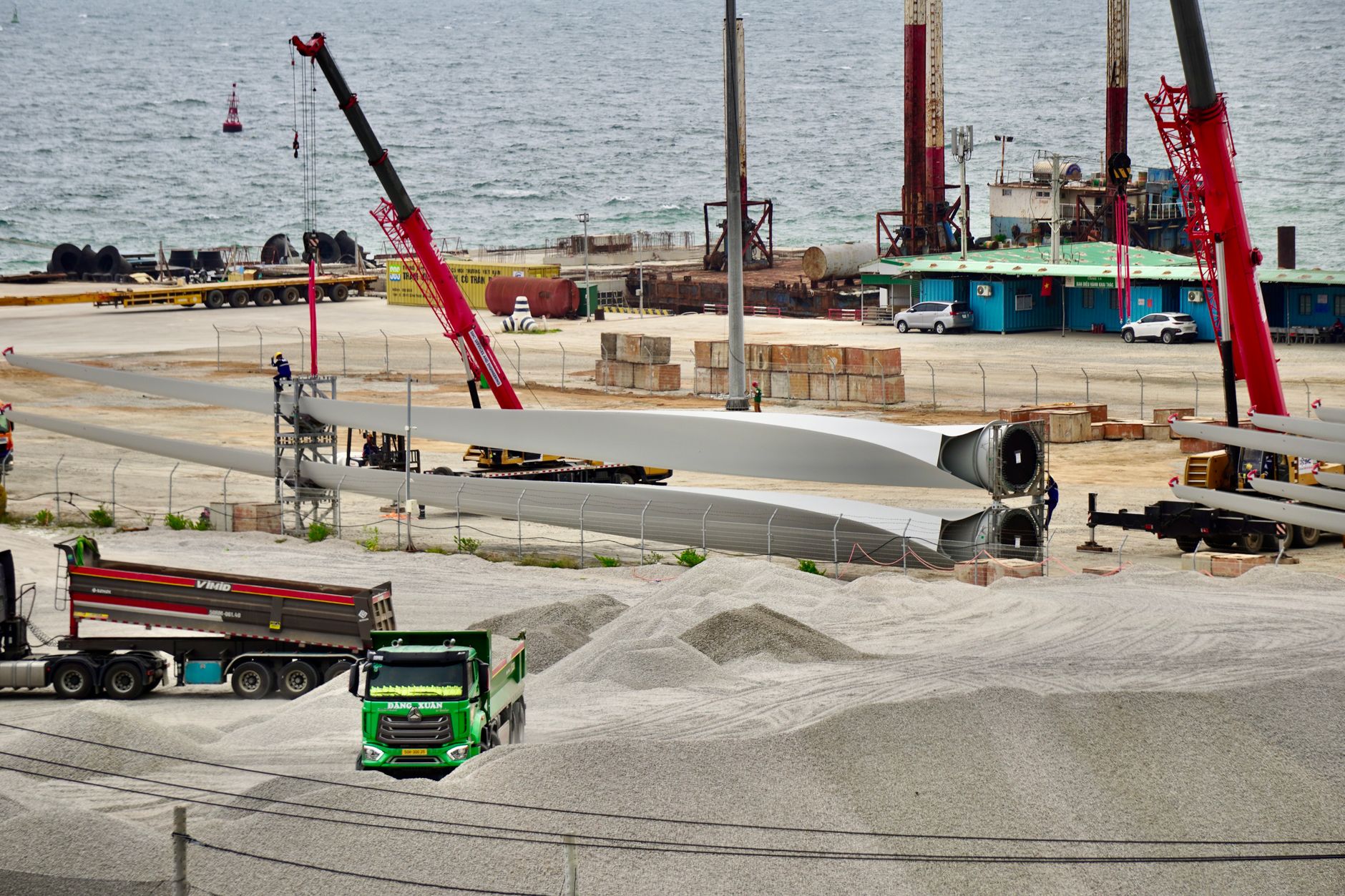
For most large generation and load projects, capital availability and permitting have traditionally set the schedule. The transformer shortage has introduced a constraint of comparable weight, and for a project that requires a dedicated step-up unit it can become the binding one, because a long-lead component of this kind cannot be substituted or hurried. New interconnections, repowered wind farms and data-centre connections frequently need a dedicated unit of this kind, and where they do, its delivery date feeds directly into revenue timing. The effect is plain: a project may be financed and permitted, but it cannot produce or serve load until the transformer arrives.
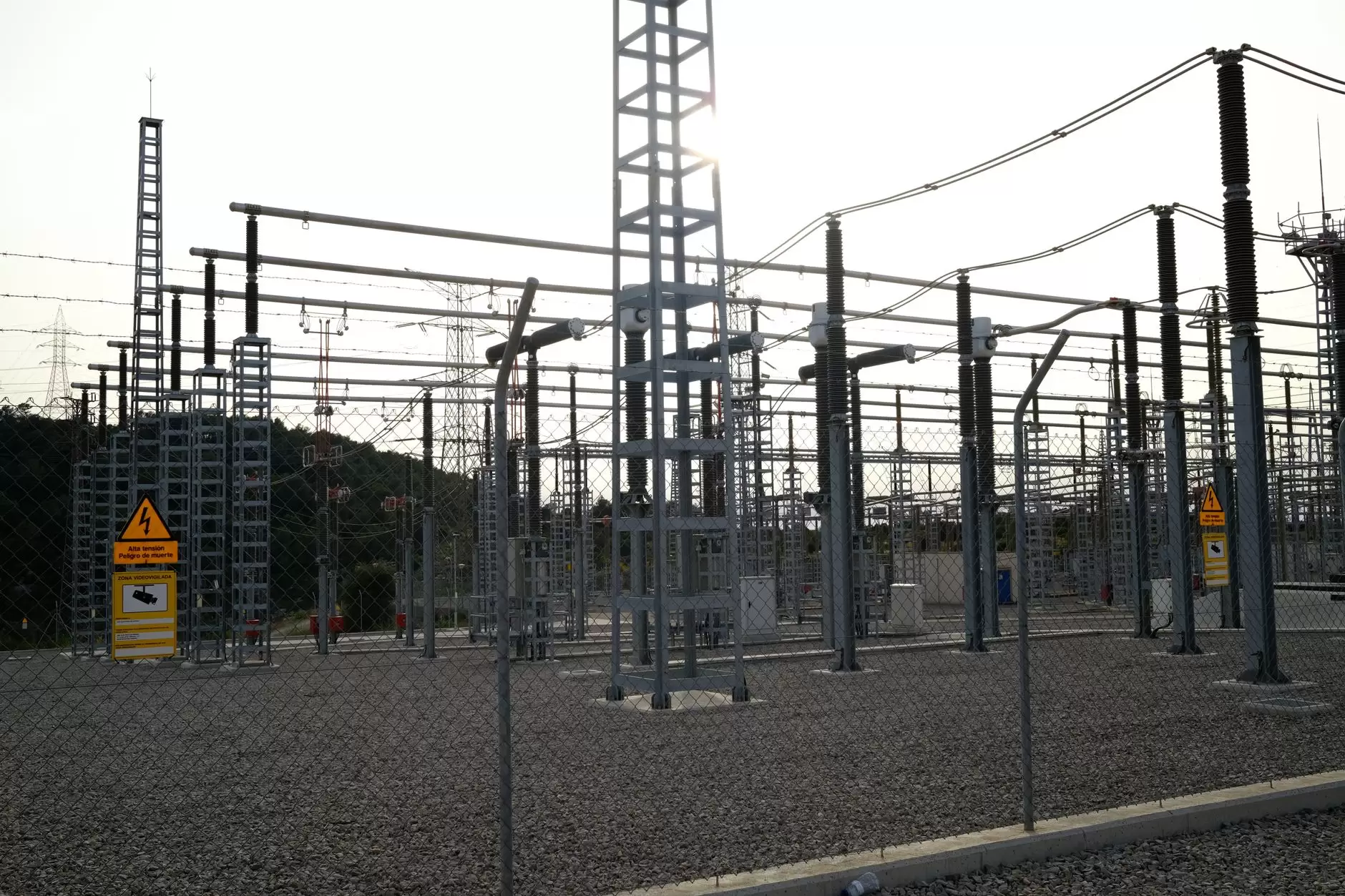
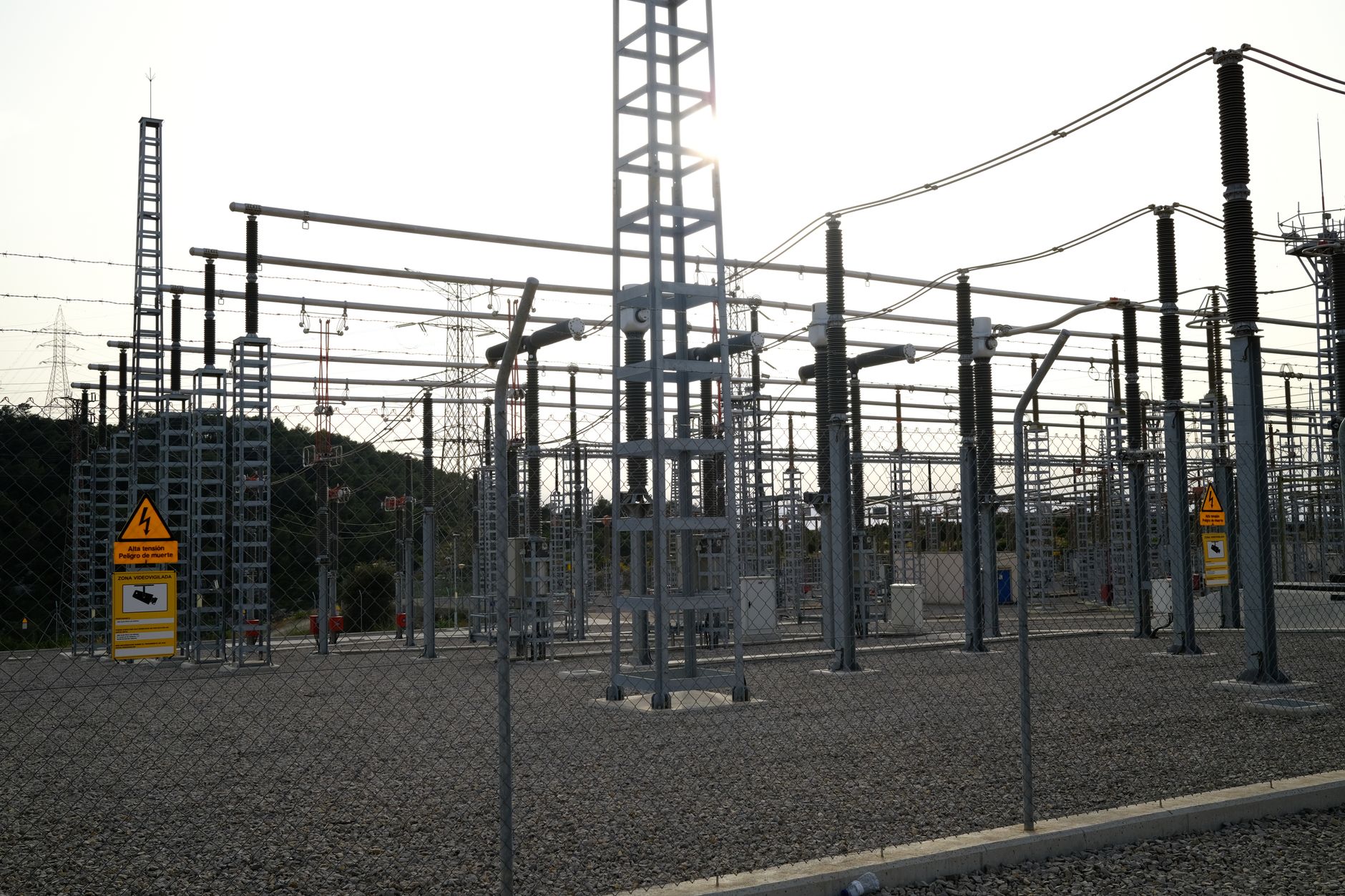
Where a project connects to the high-voltage grid, the transformer is often among the first equipment packages specified and the last to arrive. Large units are built to order around voltage ratio, impedance and thermal rating, so a shelf-ready replacement rarely exists. In many connection designs, a finished asset cannot export power or serve load until its step-up transformer is installed. Some projects can loosen that constraint through a shared or temporary connection, but many large generators and loads require a dedicated unit, and for them the delivery date sits on the critical path.
Why Lead Times Extended
Lead times for large power transformers have lengthened considerably since the early 2020s, and the published figures are now measured in years rather than months. Wood Mackenzie’s Q2 2025 survey recorded average delivery of 128 weeks for standard power transformers and 144 weeks for generator step-up units, with some orders extending to four years. The U.S. Department of Energy’s July 2024 report to Congress described 36-month lead times as commonly quoted, with maximums reaching 60 months. NERC reported lead times crossing 120 weeks in 2024, pointing to the same direction from a reliability perspective.
Those figures matter because the market for large units does not absorb a surge by lowering prices or switching specifications. Several forces raised demand at the same time, including grid modernisation programmes, electrification and the sharp expansion of large data-centre loads. The supply base for large units remained concentrated in a small number of specialised plants, and the skilled labour needed to wind and assemble them had not grown at the same pace. When demand arrives simultaneously from different buyer categories, it fills the available production slots rather than simply raising the price.
A second constraint sits upstream of final assembly. A finished transformer cannot be completed until specialised components and core material arrive, and those inputs have their own delivery schedules. Factories can therefore hold idle assembly capacity while waiting on a single upstream item. This is often the less visible part of the shortage: the bottleneck frequently sits in the supply of the parts that feed final assembly rather than at the assembly line itself.
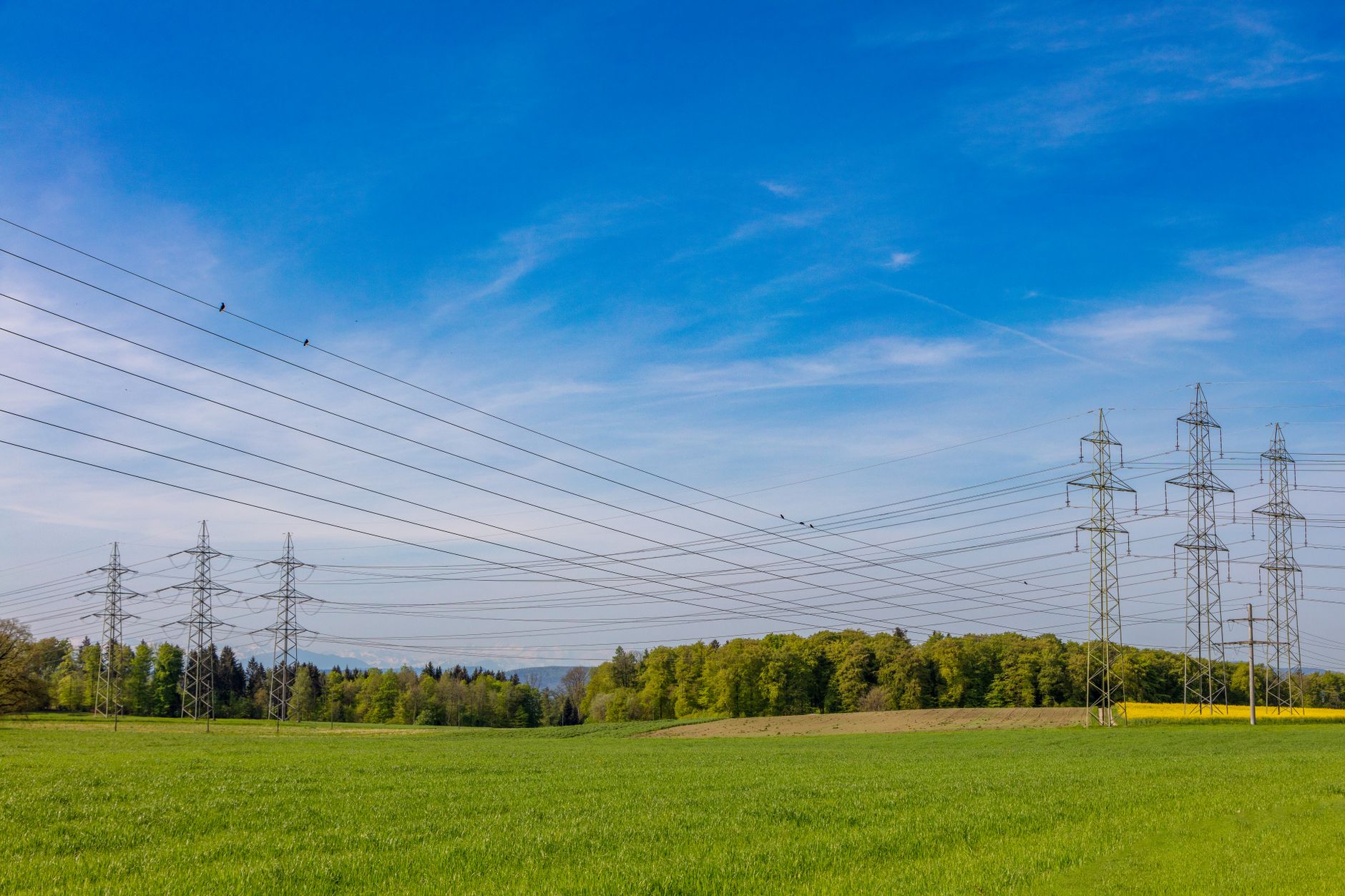
Cross-border interconnectors and HVDC converter stations are built around the same long-lead transformer equipment, so the constraint extends beyond a single market or project type. The wider transmission build-out therefore competes with generation, storage and large-load connections for the same limited manufacturing capacity. That overlap tightens delivery slots across otherwise separate project classes.
Transmission-Scale and Distribution-Scale Are Different Problems
Transmission-scale units and the pad-mounted or distribution transformers on local networks are not the same market, even though they draw on common upstream inputs. Large power transformers are built to order, involve fewer producers and carry longer qualification cycles. Distribution-class units are produced in higher volumes and generally have shorter lead times, but they face many of the same material and labour constraints. A tight upstream market can therefore surface in both segments, though with different timing.
Age adds a separate layer on the distribution side. U.S. Department of Energy data has recorded that 55 percent of in-service distribution transformers, roughly 40 million units, were more than 33 years old and beyond their expected service life at the time the figures were compiled. That stock does not need to be replaced all at once, but it means utilities are already running large replacement programmes while new load connections compete for the same product. The result is a distribution queue that is shaped as much by asset age as by new demand.
Buyer behaviour also separates the two segments. Utilities and large developers purchase transmission-scale units through multi-year frameworks, while distribution units reach a wider set of customers, including industrial facilities and data-centre operators. Data-centre operators in particular have been securing factory production slots years in advance or paying substantial premiums, which prices non-data-centre buyers out of the queue. That pattern is easiest to see in distribution-class equipment, but the same logic is present wherever production capacity is reserved as a commercial product.
How the Shortage Reshapes Procurement and Project Timing
Developers now reserve production slots before final engineering is complete, committing capital earlier to secure a place in the queue. In markets where framework agreements are common, larger buyers can book capacity years ahead, leaving smaller developers with later slots or less certain pricing. Where a project cannot proceed without its own transformer, the delivery date becomes the binding constraint on revenue rather than the date construction finishes. The procurement decision has shifted from a late-stage purchase to an early critical-path item.
A wind farm, battery plant or data centre that requires a dedicated step-up transformer faces the same dynamic, even though the underlying projects look very different. The transformer is one of the first equipment packages to be ordered and one of the last to be installed. Where a project can share an existing transformer or connect at a voltage that avoids a new unit, the constraint is less severe. But many large loads and generators cannot avoid a dedicated unit, and for those projects the lead time is a fixed schedule input rather than a variable to be optimised.
In markets that administer a formal interconnection queue, the queue interacts with equipment lead times. A project may clear the queue and secure a grid connection agreement before discovering that the substation equipment is not scheduled to arrive in time. Utilities that handle connections through bilateral study processes face the same sequencing problem, even without a publicly visible queue. This sits within the wider transmission bottleneck: permitting and financing have in some cases moved faster than the physical equipment that makes the connection real.
What Actually Relieves the Constraint
Refurbishment and repowering of existing units can add capacity without waiting for a new transformer, but only where the existing unit is technically compatible and available. Standardised or pre-specified designs shorten engineering time, and factory-direct procurement removes some layers between buyer and manufacturer. These measures can improve a project’s position in the queue, but they do not increase the total number of transformers being built. They address the buyer’s place in the line, not the length of the line.
Distribution-scale relief can move somewhat faster, because higher production volumes and standardised specifications allow suppliers to shift delivery dates more quickly than for large power transformers. The same electrical steel and labour constraints still apply, so distribution buyers remain exposed to the underlying shortage. The segment’s larger supplier base and shorter engineering cycles nonetheless give buyers more options than a utility tendering a large generator step-up unit.
Grid-enhancing technologies that add capacity to existing lines can reduce some pressure on new transmission equipment by allowing existing assets to carry more load. Those tools do not help a project that still needs a new step-up transformer to connect at the required voltage. Refurbishment and line-rating tools address different parts of the system, and they leave the long-lead component constraint in place where a new unit is unavoidable. New manufacturing capacity is also being added, but it arrives on a longer time constant, and newly announced production lines generally do not begin delivering units within the current procurement cycle.
What an Operator Can Act On, and What It Can Only Wait Out
Operators and developers have real leverage over specification and procurement timing. They can standardise designs early, reserve slots through framework agreements, and choose between built-to-order and more standardised options. Those choices affect where a project sits in the queue and what it pays, but they do not change the underlying supply of specialised steel or the time required to commission a new plant. Price and queue position can be negotiated within a procurement cycle. Production capacity moves on a slower timetable, driven by supplier investment decisions that no single buyer controls.
The parts of the shortage outside any single buyer’s control are the input supply and the manufacturing base. A single project sponsor cannot create additional production capacity in the near term, and early ordering does not compress the commissioning curve for newly announced lines. Buyers can position themselves relative to other buyers, but they cannot compress the supply chain itself. Projects that treat transformer delivery as a fixed schedule input rather than a variable to be optimised are better placed to plan around both the queue and the longer-term supply response.
References
- IndustrialSage — “Power Transformer Lead Times: US Grid Shortage” (reported Wood Mackenzie Q2 2025 survey figures, U.S. Department of Energy July 2024 report to Congress, and NERC 2024 lead times).
- GameChange Energy — “Transformer Lead Times in 2026: What Pad-Mounted and Substation Buyers Can Expect” (reported DOE distribution transformer age data and data-centre procurement behaviour).