Blog

Levelized Cost of Electricity: What It Captures and What It Leaves Out

LCOE is powerful but limited. Learn what levelized cost of electricity misses: time, location, financing, and grid value. A must-read for energy pros.

How Renewable Energy Certificates Work and What They Actually Represent

Renewable energy certificates track renewable attributes, not physical electrons. Learn how registries, retirement, and market-based claims work.

What Makes Floating Solar an Attractive Option for Land-Constrained Grids

Floating solar turns reservoirs and irrigation ponds into power plants, easing land pressure. Discover why it's key for crowded grids.

Scope 1 vs Scope 2 Emissions: What They Mean and Why They Matter for the Power Sector

What are scope 1 vs scope 2 emissions? In the power sector, boundaries determine carbon compliance, procurement, and strategy. Read our guide.

Green Hydrogen in the Energy Transition: Promise, Adoption Challenges, and the Path to Scale

What drives green hydrogen production costs? Renewable power, electrolyser utilisation and capital recovery shape projects, with transport and certification constraints.

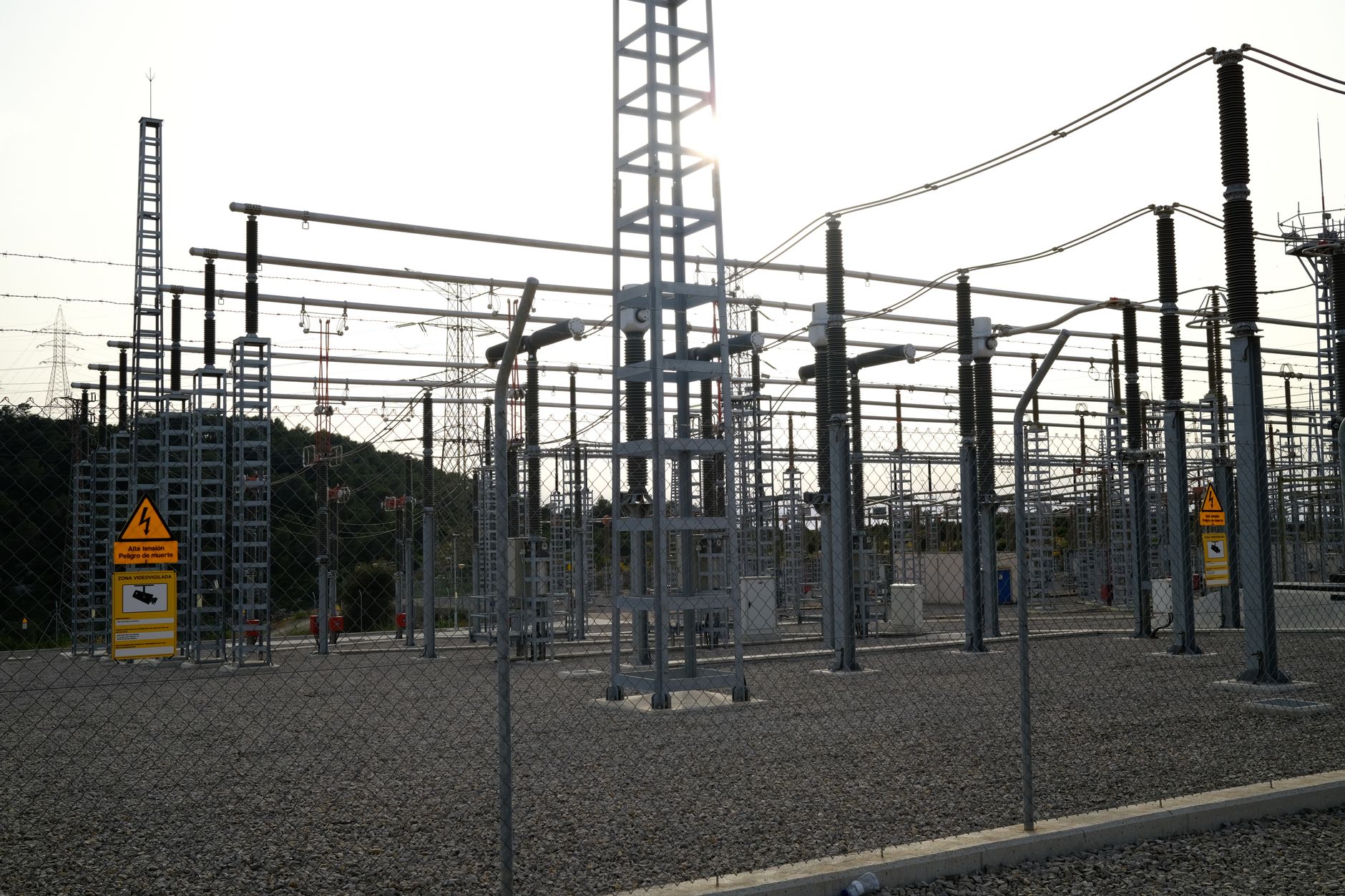
Grid Modernization: The Technologies, Drivers, and Barriers Reshaping Power Networks

Why do grid blind spots persist? This guide examines phasor measurement units, digital substations, cybersecurity, regulation and workforce constraints.

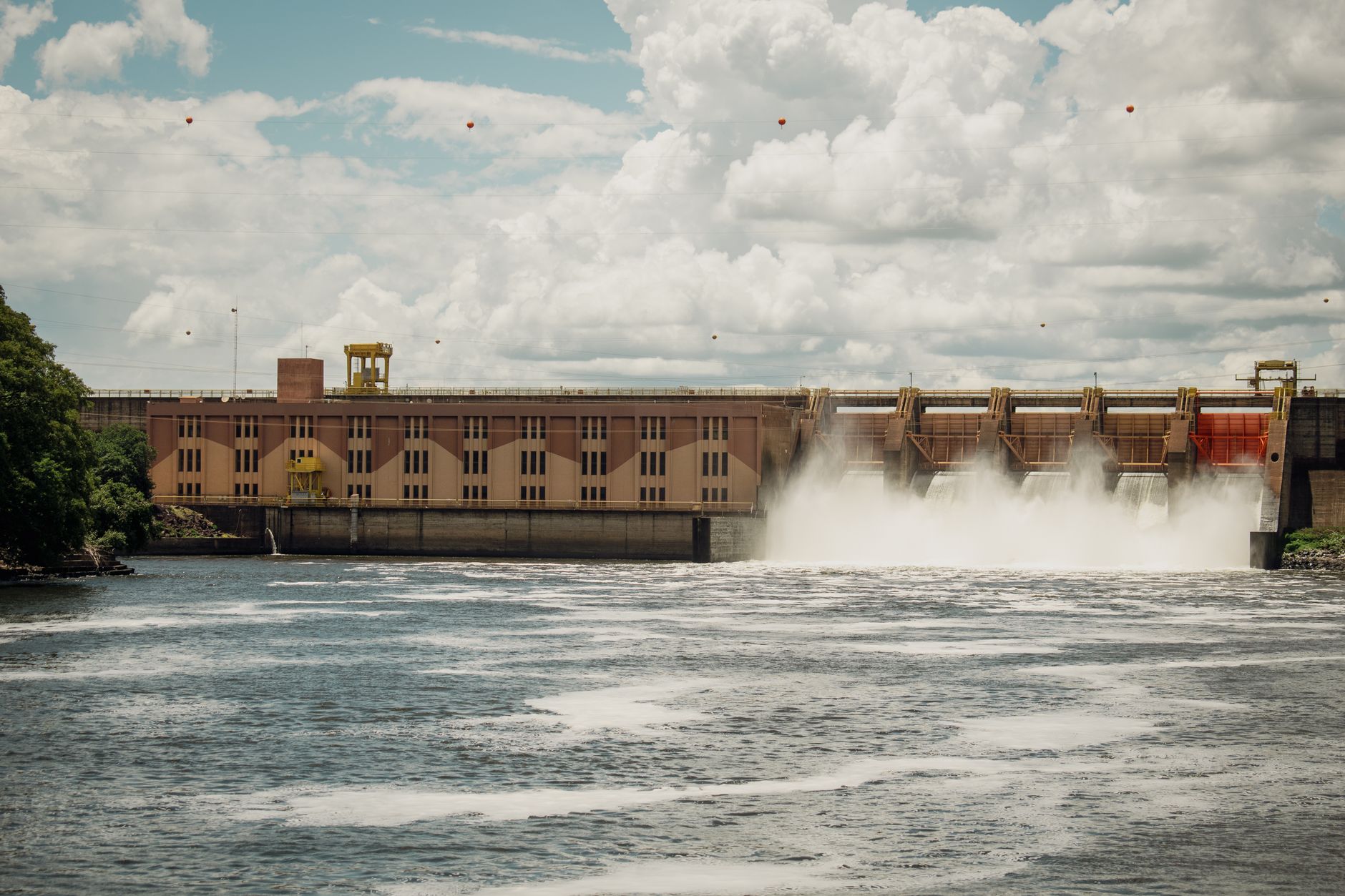
The Flexibility Value of Reservoir Hydropower

Reservoir hydropower offers grid flexibility with long-duration storage, fast ramping, and reliability. Discover why it's undervalued in energy storage debates.

Types of Electricity Markets: The Four Archetypes, from Vertically Integrated Utilities to Liberalized Pools

How do electricity markets differ? This guide compares four archetypes, from vertically integrated utilities to liberalized wholesale and retail markets.

Asia-Pacific Energy Transition: A Regional Overview of Policy Drivers and Targets

Asia-Pacific energy transition policy is not one transition but several. Explore how China, India, Japan, and Southeast Asia shape divergent policy architectures.

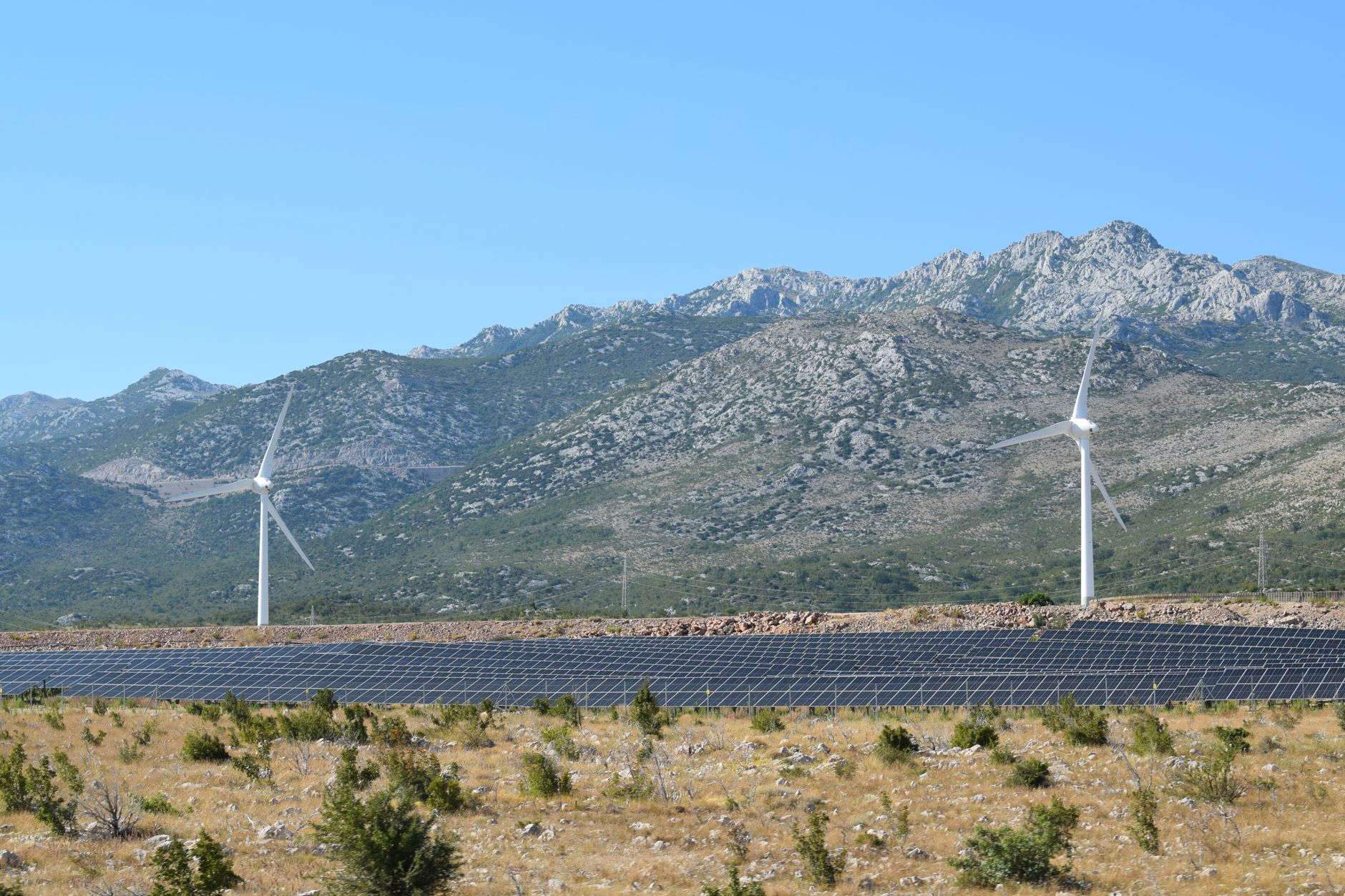
Renewable Curtailment: A Sign of Market Failure or a Rational Operational Choice?

When is renewable energy curtailment a grid constraint, and when is it an efficient market signal? Compare congestion, oversupply and storage responses.

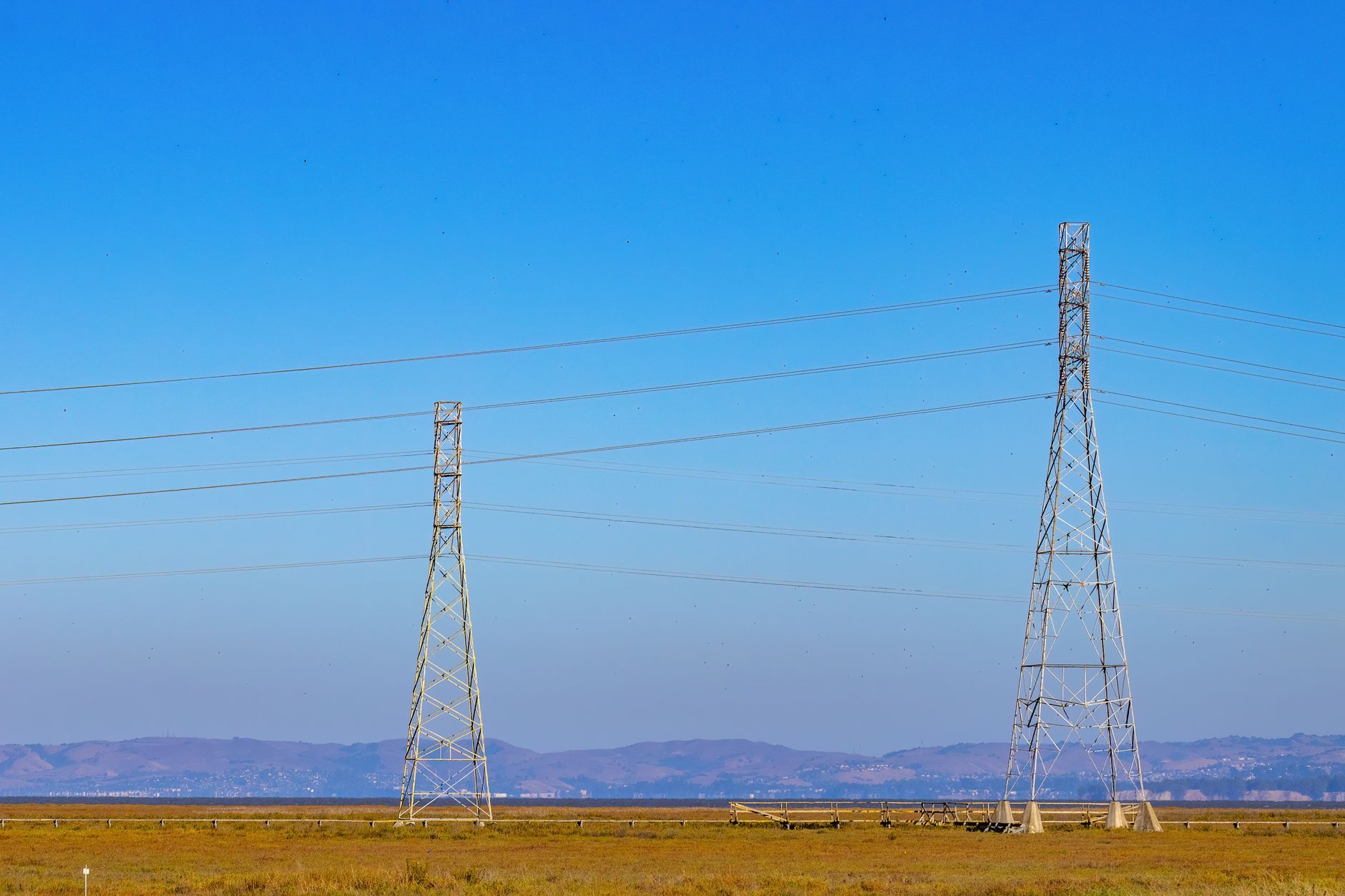
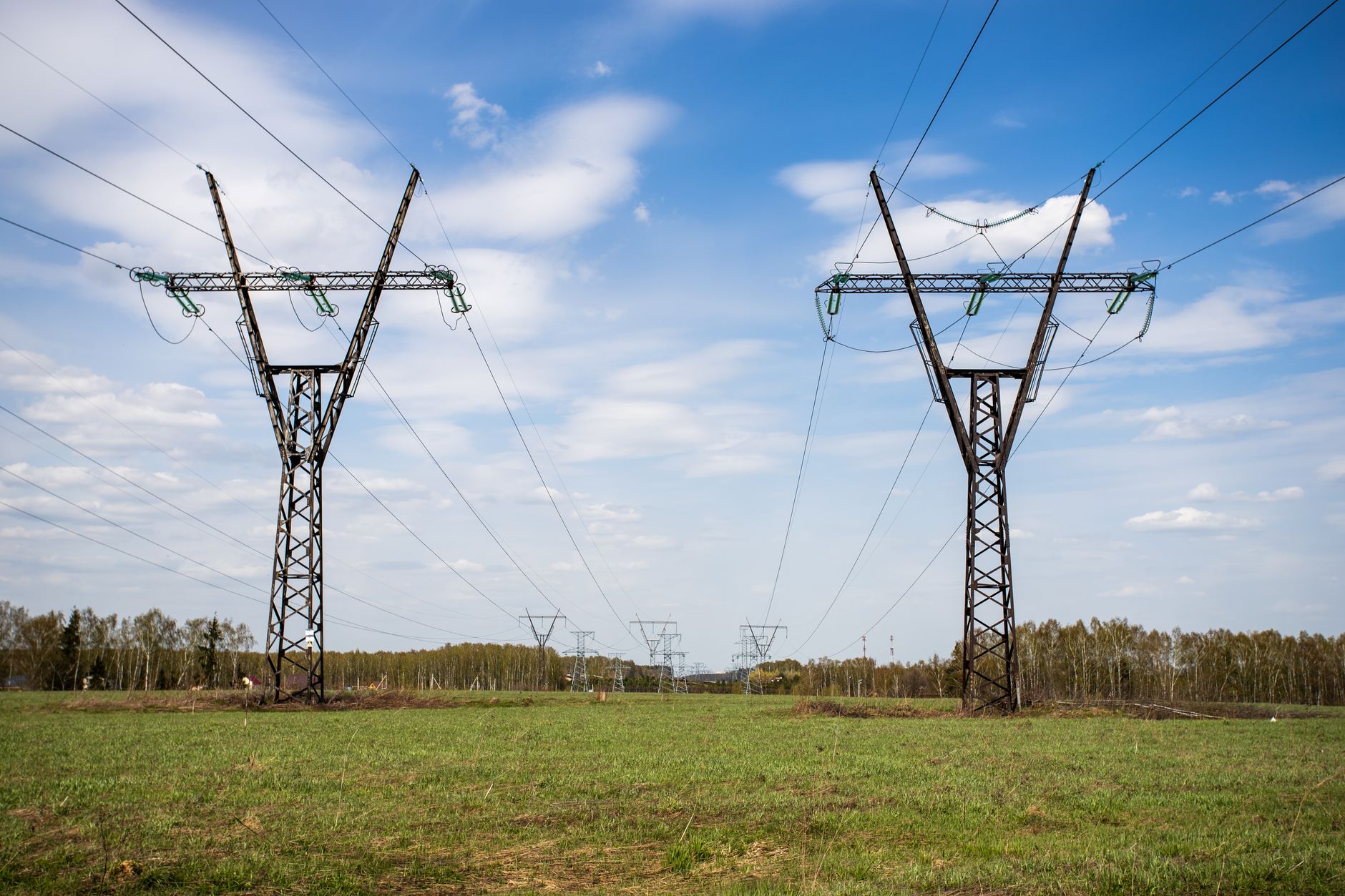
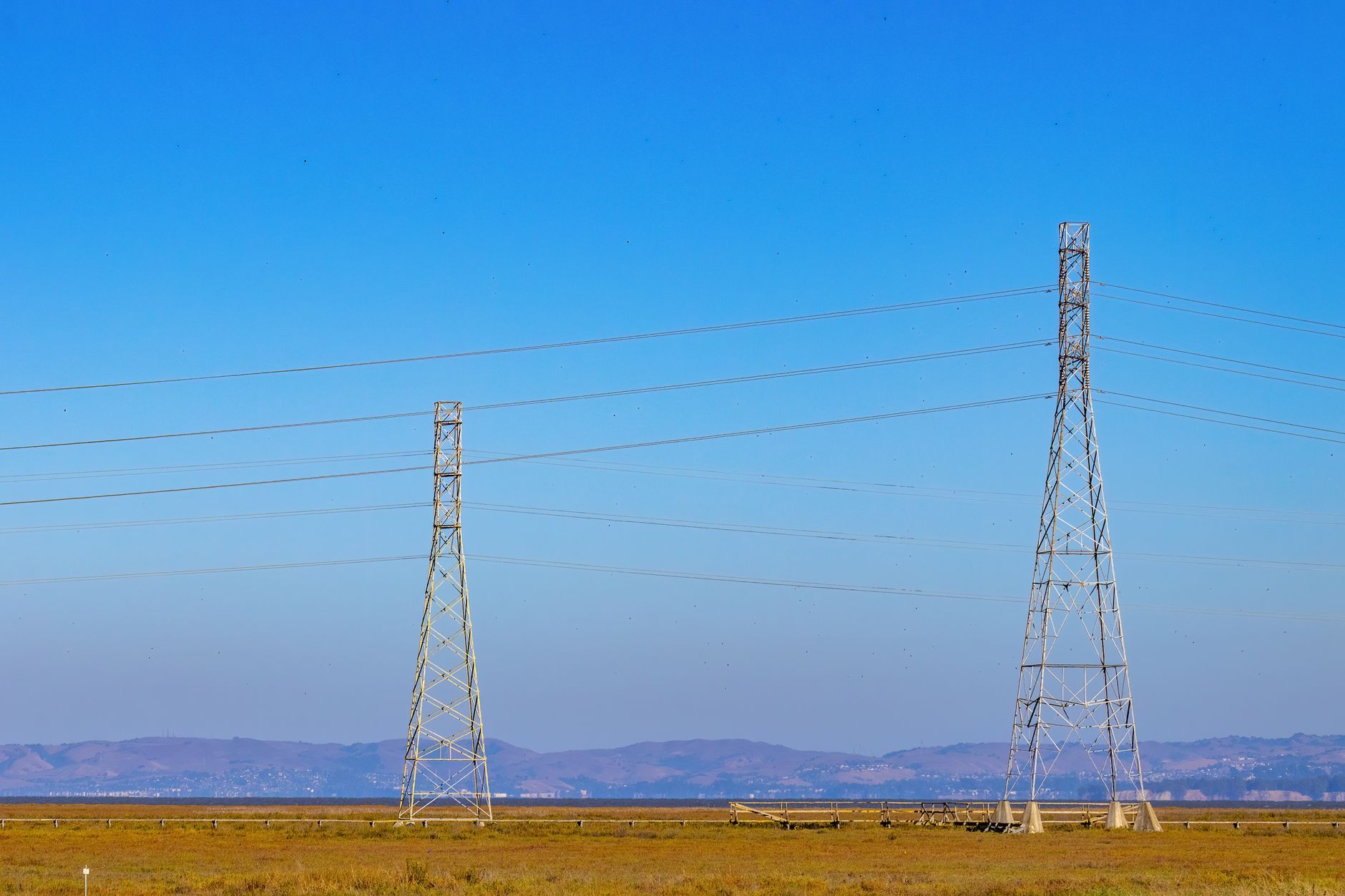
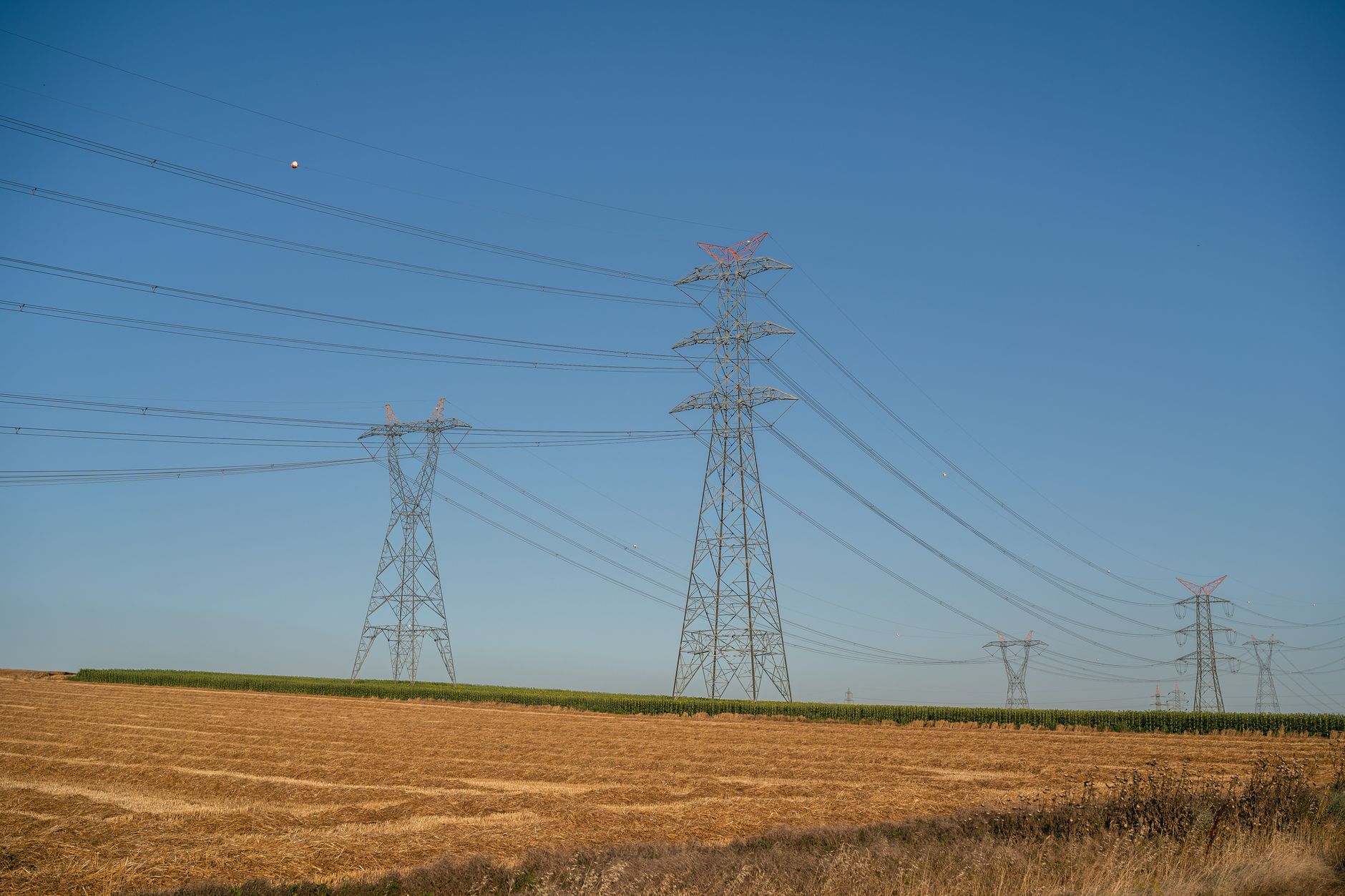
Why Building Transmission Takes a Decade When Solar Takes Two Years

Why can solar projects finish in under two years while transmission takes a decade? Planning, permitting, routing and cost recovery explain the gap.

The Day-to-Day Economics of Battery Storage: Stacking Revenue Streams

Discover how battery storage revenue stacking works: arbitrage, frequency response, and capacity payments combine to make grid-scale batteries profitable.